How automated artwork management strengthens brand compliance
Endless email chains, delayed approvals, and costly reworks — if this sounds familiar, it’s time to consider automated artwork management. This...
3 min read
William Janeway
:
February 12, 2026
Custom packaging has become a strategic growth lever for modern brands. From personalized corrugated boxes to fully customized shipping boxes, packaging is no longer just a protective layer — it’s a brand experience, a communication channel, and a competitive advantage.
But as many packaging and marketing teams quickly discover, custom packaging is easy to design and hard to scale. The real challenge doesn’t start at production. It starts with artwork, versions, approvals, and collaboration.
In this guide, we’ll break down what custom packaging really involves, why brands invest in it, and how to manage custom packaging artwork efficiently as complexity grows.
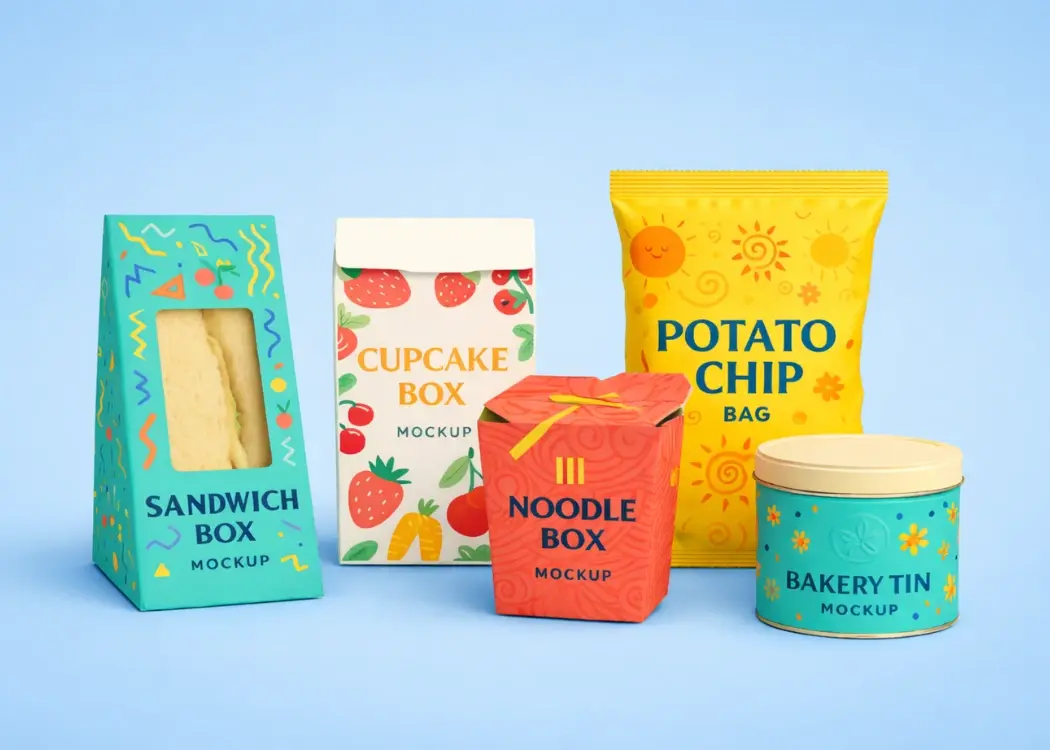
Custom packaging refers to product packaging that is designed specifically for a brand, rather than using standard, off-the-shelf solutions. This can include:
Custom shipping boxes
Personalized corrugated boxes
Retail-ready packaging
Market- or campaign-specific packaging designs
Unlike generic packaging, custom packaging is tailored to reflect a brand’s identity, messaging, and customer experience — from colors and typography to sustainability claims and regulatory information.
For growing brands, custom packaging is often the first step toward stronger differentiation and brand recognition.
Custom shipping boxes are one of the most common entry points into custom packaging — and for good reason.
Brands choose to customize shipping boxes to:
Reinforce brand identity during unboxing
Create a consistent experience across channels
Communicate sustainability or quality positioning
Stand out in crowded ecommerce and retail environments
Whether it’s minimalist branding or fully personalized corrugated boxes for different product lines, custom shipping boxes turn logistics into a branding opportunity.
However, the more you customize, the more operational complexity you introduce.
On the surface, custom packaging looks like a design project. In reality, it’s a cross-functional operational process involving marketing, packaging, legal, procurement, and external suppliers.
As soon as brands move beyond a single SKU, complexity increases fast.
Common challenges include:
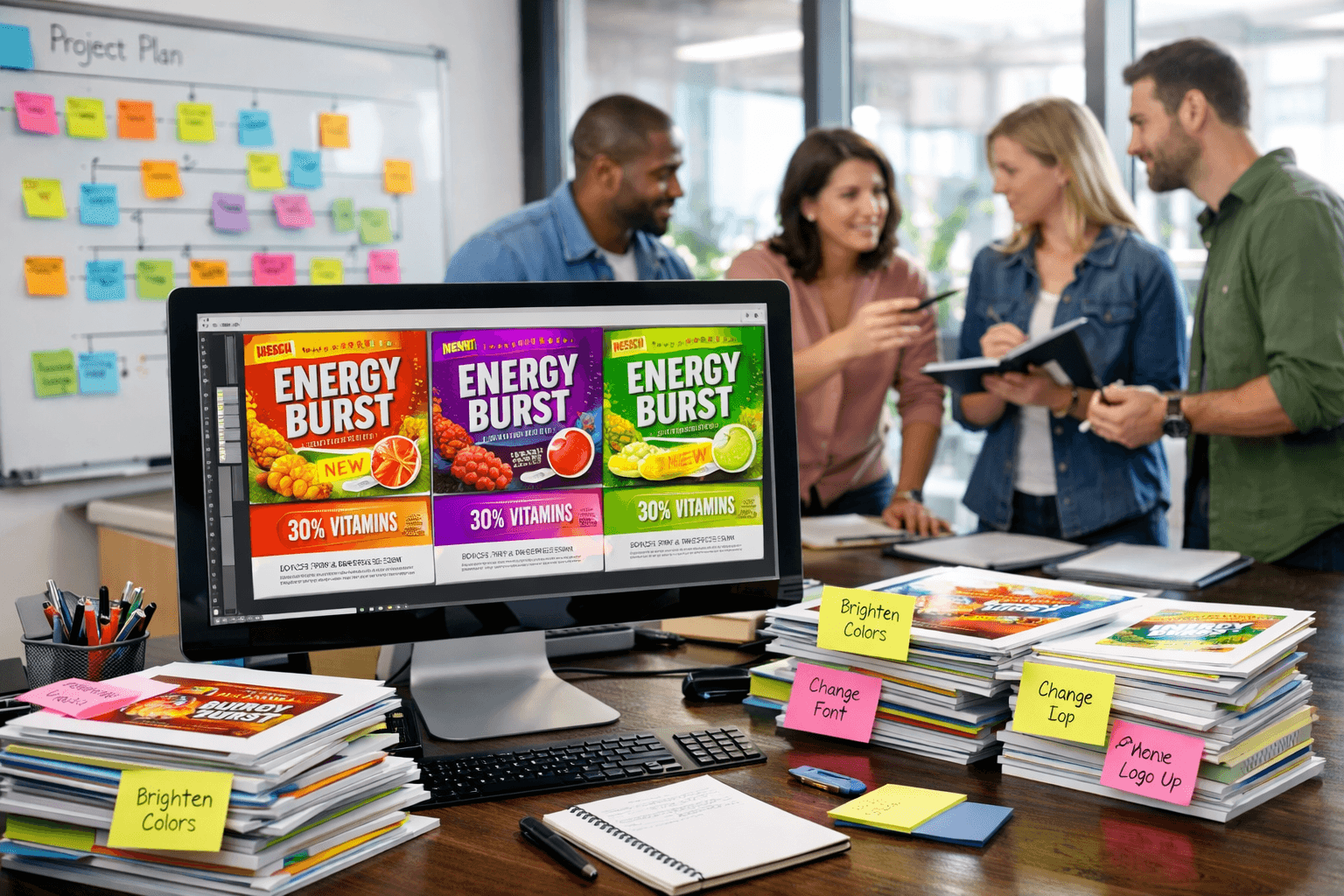
Multiple artwork versions per product
Market-specific languages and regulations
Frequent design updates and seasonal campaigns
Different suppliers and printers
Tight production timelines
This is where many custom packaging and custom packing initiatives break down — not because of design quality, but because artwork management and approvals aren’t built to scale.
As brands grow, these issues appear again and again:
Designs live in emails, shared drives, local folders, or chat tools — making it hard to know which version is correct.
Approvals handled via email threads or spreadsheets slow everything down and increase the risk of errors.
Outdated artwork, missing legal text, or incorrect languages lead to costly reprints and delays.
Teams lack a clear overview of who approved what — and when.
When custom packaging is managed this way, scaling becomes risky, expensive, and stressful.
To scale custom packaging successfully, brands need to treat artwork as a controlled process, not just a creative output.
That means having:
A single source of truth for packaging artwork
Structured approval workflows
Clear version control and audit trails
This is where dedicated packaging artwork management platforms like Cway play a critical role.
Instead of chasing files and approvals, teams can:
Manage versions across products, markets, and campaigns
Ensure only approved files reach production
Reduce errors, delays, and rework
The result is faster time-to-market and far fewer packaging mistakes.
A scalable custom packaging workflow allows brands to:
Launch new products and markets faster
Maintain brand consistency across packaging
Reduce dependency on manual coordination
Improve collaboration between internal teams and external suppliers
Whether you’re managing custom shipping boxes for ecommerce or personalized corrugated boxes for retail, the right workflow makes customization sustainable instead of overwhelming.
Custom packaging isn’t just about boxes, materials, or printing techniques. It’s about managing complexity across design, artwork, approvals, and production.
Brands that succeed with custom packaging don’t just invest in great design — they invest in the systems and workflows that support it at scale.
If your team is struggling with version control, approvals, or packaging artwork errors, it may be time to rethink how your custom packaging process is managed.
Custom packaging should elevate your brand — not slow it down.
Endless email chains, delayed approvals, and costly reworks — if this sounds familiar, it’s time to consider automated artwork management. This...
Launching a new product is exciting—but it’s also a high-stakes operation. Behind every successful product line is a delicate dance between...
Starting your role as a packaging manager can feel overwhelming. You’re juggling multiple SKUs, approvals, and deadlines, all while trying to keep...