How artwork lifecycle coordination improves packaging workflows
In complex packaging projects, artwork doesn’t move in a straight line. A single label or carton design may pass through marketing, regulatory,...
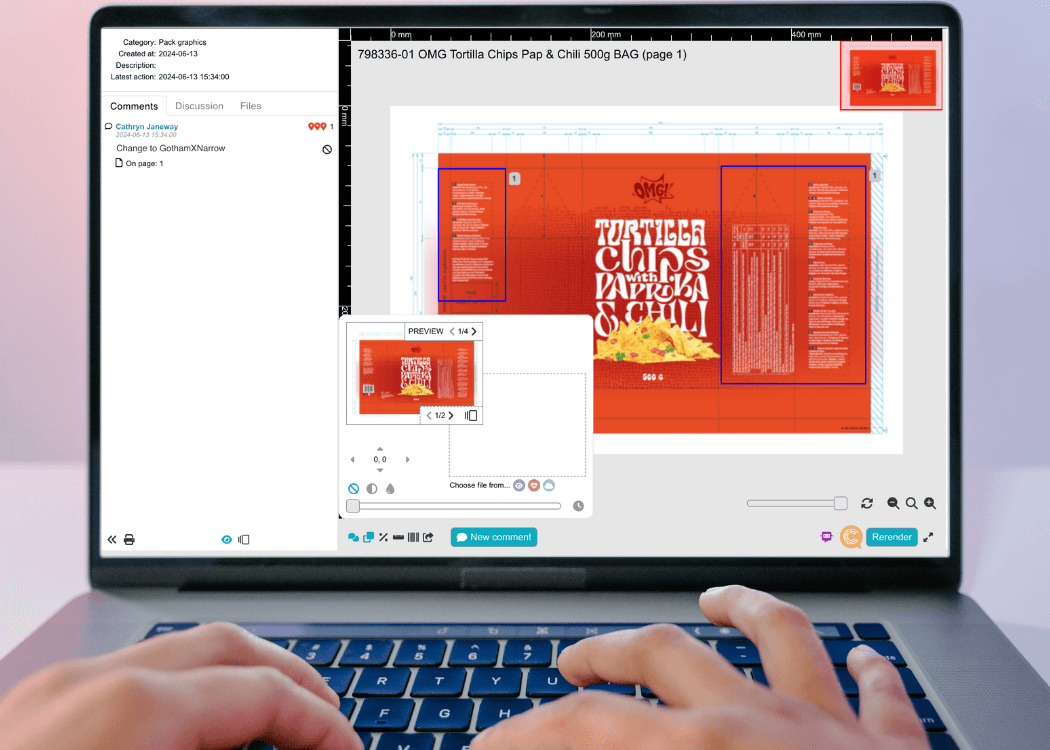
Packaging artwork files are one of the most critical assets in product development. Labels, cartons, flexible packaging, and regulatory information all depend on accurate artwork files that must be reviewed, approved, and stored correctly.
As product portfolios grow, companies must learn how to manage packaging artwork files efficiently to avoid delays, compliance risks, and costly printing errors.
To manage packaging artwork files means organizing, controlling, and tracking all packaging design assets throughout their lifecycle — from initial design to final production release.
This typically includes:
Without a structured artwork management process, teams often struggle with version confusion, lost files, and unclear approval histories.
Many organizations still rely on email, shared folders, and spreadsheets to manage artwork files. While this may work for small teams, it quickly becomes difficult to maintain control when artwork volumes increase.
Common challenges include:
Version control issues
Multiple versions of the same artwork circulate across teams, increasing the risk of incorrect files reaching production.
Fragmented feedback
Comments from regulatory, marketing, and design teams arrive through different channels and are difficult to track.
Limited visibility
Teams often lack a clear overview of where artwork files are in the review and approval process.
Compliance risks
Without a clear approval history, it becomes difficult to demonstrate regulatory compliance.
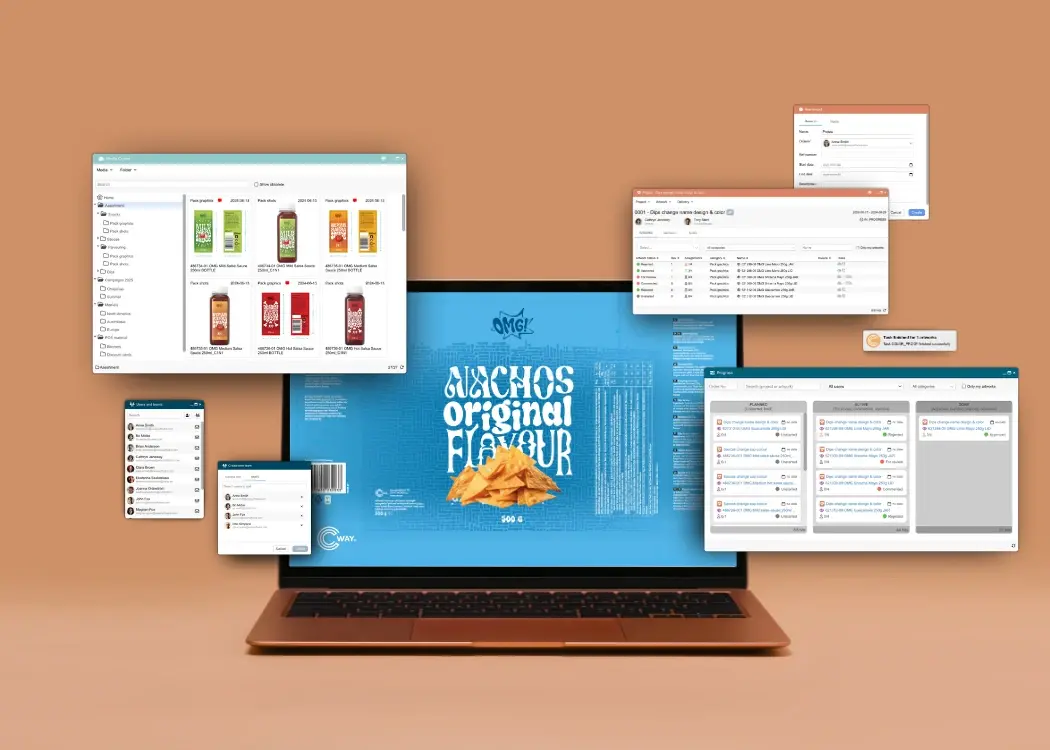
To solve these challenges, many companies implement packaging artwork management software.
These platforms help teams:
Using an artwork workflow management platform allows packaging teams to manage artwork files at scale while maintaining accuracy and compliance.
Organizations that successfully manage packaging artwork files usually follow a few key principles:
Centralize artwork storage
All packaging artwork files should be stored in a single system accessible to relevant teams.
Use structured workflows
Define clear stages for design, review, approval, and release.
Maintain version control
Ensure only the latest approved artwork is available for production.
Track approvals
Every review and approval should be documented for compliance and traceability.
By implementing these practices, teams can reduce delays, prevent errors, and ensure packaging artwork moves smoothly through the lifecycle.
Packaging artwork is not just a design asset — it is a regulated business document that directly affects product compliance and brand consistency.
Organizations that implement a structured artwork management platform can manage packaging artwork files more efficiently, reduce operational complexity, and launch products faster.
See how artwork lifecycle management helps teams manage complex packaging artwork processes.
Managing packaging artwork files involves organizing, storing, reviewing, and approving packaging design files throughout the artwork lifecycle to ensure the correct version is released for production.
Proper management helps prevent version errors, improves collaboration between teams, and ensures regulatory compliance in packaging artwork.
Packaging artwork management software and artwork management systems help centralize artwork files, automate approvals, and provide version control across packaging projects.
Large organizations use artwork workflow management platforms that automate reviews, track approvals, and maintain structured artwork lifecycles across multiple products and markets.
In complex packaging projects, artwork doesn’t move in a straight line. A single label or carton design may pass through marketing, regulatory,...
When it comes to managing packaging design, standard document systems simply don’t keep up. In today’s global, fast-moving markets, teams need ...
If you're part of a team that creates packaging—whether it’s for yoghurt tubs, medicine boxes, or shampoo bottles—you know how tricky it can be to...