3 min read

How Europe craft beer brands build brand through packaging

How Europe craft beer brands build brand through packaging
The packaging strategies fueling Europe’s top craft breweries
6:19

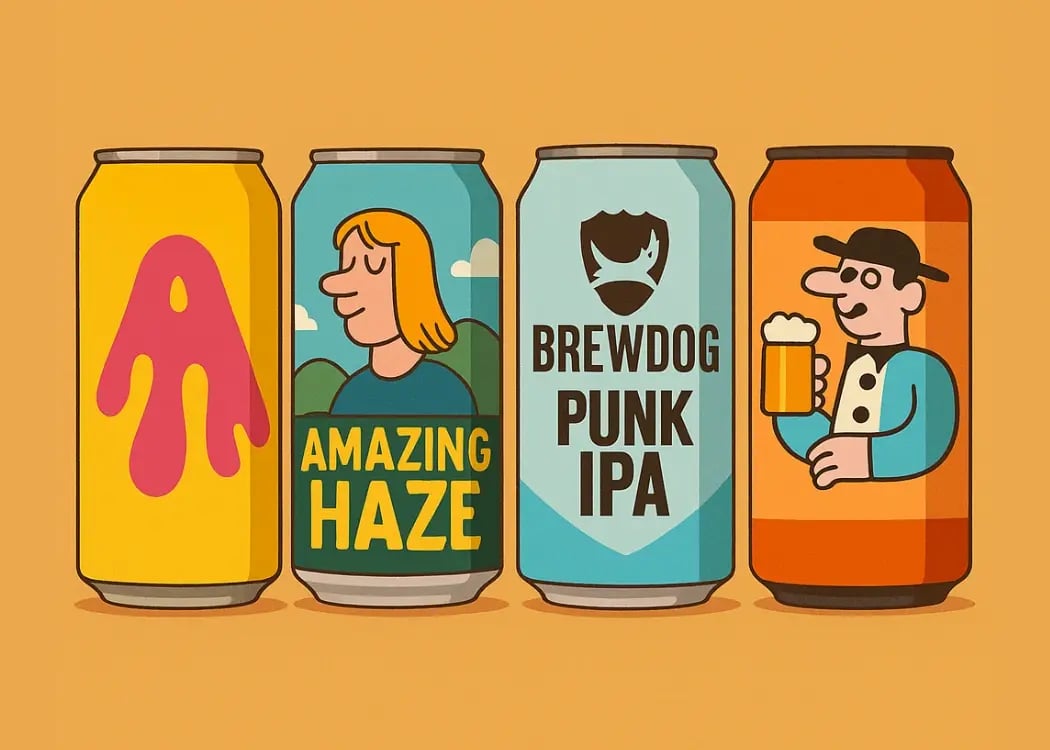
Walk into any convenience store or supermarket today and the craft beer shelf immediately overwhelms with creativity. Bright colours, quirky illustrations, experimental typography — a visual explosion that feels almost chaotic.

Yet among all the artistic expression, one truth still stands:

The brands that get seen are the brands that get sold.

And getting seen rarely comes from being “more creative.”
It comes from being more recognisable.

This is where packaging design becomes a strategic weapon — and where some of Sweden and Europe’s most successful craft breweries provide strong examples of how to build brand through visual clarity, distinctive assets, and smart structure.

1. Distinctive Visual Identity: Recognition Over Decoration

Craft beer shelves are crowded, and while many labels look beautiful, few are memorable. Strong brands use distinctive visual assets — shapes, colours, illustration styles — that quickly cue the brand before the name is even read.

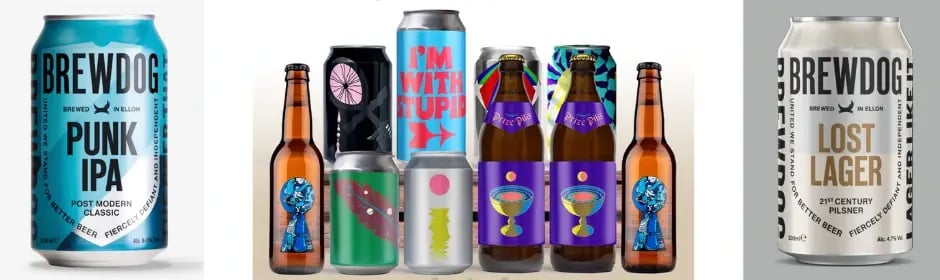
Omnipollo – Creativity as a Distinctive Asset

Omnipollo’s labels are instantly identifiable through surreal illustrations and bold, graphic forms. The designs vary dramatically from release to release, but the brand’s artistic DNA makes each can unmistakably theirs.

BrewDog – Industrial Boldness at Scale

BrewDog takes a different approach. Their rigid typographic system and high-contrast colours create a design that can be recognised across the room — and across markets.

Both brands prove that recognition doesn’t require sameness.
It requires a visual identity strong enough to rise above shelf noise.

Omnipollo and BrewDog distinctive visual identity through packaging design


2. Storytelling Through Packaging: When Design Speaks Before the Beer Does

Packaging is often the first touchpoint for consumers. The best brands use the label not just as decoration, but as a story.

Poppels – Scandinavian Clarity and Honesty

Poppels uses clean, minimal layouts with flavour cues and batch information presented upfront. The storytelling is transparent and confident — signalling craft quality without needing elaborate graphics.

Mikkeller – Illustration as Narrative

Mikkeller’s label art features recurring characters and humorous scenes that act as an ongoing visual universe. Consumers don’t need to read a word to understand the brand’s playful spirit.

Where some brands crowd the label with detail, these breweries let design carry the message effortlessly.


Poppels and Mikkeller Storytelling Through Packaging


3. Cohesive Range Structure: Helping Shoppers Find What They Love

A strong packaging system helps consumers navigate a complex range of IPAs, lagers, stouts, and limited editions. The goal: clear differentiation without losing brand identity.

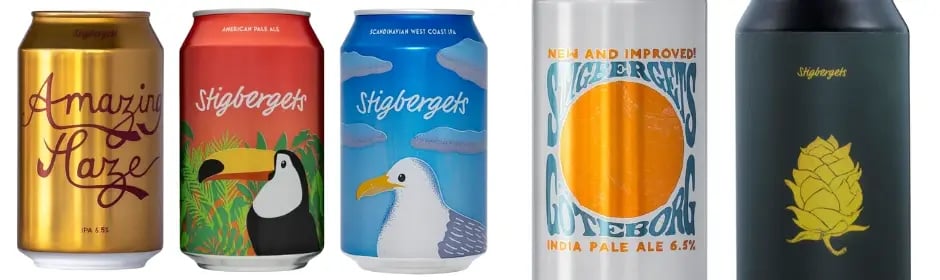
Stigbergets – Structured Simplicity

Stigbergets achieves this with consistent layouts and a colour-coded approach that makes their beers easy to spot and even easier to shop. The structure gives the brand a calm, confident presence on shelf.

Range architecture turns recognition into repeat purchase.


Stigbergets colour-coded approach in packaging


4. Material & Finishing: Craft That Can Be Felt

Premium cues don’t stop at graphics. The physical feel of the can also influences perception.

Omnipollo and Mikkeller often use:

  • Matte finishes

  • Taller formats

  • Premium printing techniques

These tactile decisions reinforce the idea of craftsmanship and give the beers a collectible feel.

5. Sustainability: An Expected Signal in Nordic Markets

Scandinavian consumers hold brands to high environmental standards, and packaging is a key place to demonstrate commitment.

Poppels – Sustainability as Part of Brand DNA

Through minimalist design, recyclable materials, and transparent communication, Poppels aligns its packaging with the values of modern Nordic craft culture.

Sustainability here isn’t a “bonus” — it’s a brand builder.

6. Packaging as Social Currency: Designs That Travel Beyond the Shelf

In craft beer, packaging often becomes content. The beers that get photographed, shared, and collected gain visibility far beyond the store.

  • Omnipollo designs spark social engagement through bold, gallery-like artwork.

  • Mikkeller labels are instantly shareable because of their iconic illustrations.

  • BrewDog benefits from typography that stands out clearly in photos.

A can that gets posted becomes free media — and a repeating brand impression.

7. Limited Editions and Collaborations: Controlled Creativity

Seasonal releases and collaborations give breweries space to experiment while keeping brand identity intact.

  • Mikkeller uses collaborations to expand its artistic universe and invite new audiences.

  • Stigbergets introduces fresh design cues in limited runs without sacrificing its core structure.

This approach keeps the brand culturally relevant, always offering something new without confusing consumers.

Creativity Attracts Attention, but Distinctiveness Drives Growth

The craft beer industry thrives on creativity — yet creativity alone doesn’t build strong brands. The breweries that stand out consistently combine artistry with strategy:

  • Clear visual identity

  • Recognisable assets

  • Strong range architecture

  • Authentic storytelling

  • Premium tactile cues

  • Sustainability

  • Social-media-ready design

Packaging isn’t just decoration.
It’s one of the most powerful brand-building tools a craft brewery has.

Why Strong Packaging Demands Strong Artwork Management

As craft beer brands evolve, so does the complexity of their packaging. More SKUs, faster release cycles, seasonal drops, collaborations, multiple markets, legal updates — the artwork process quickly becomes as chaotic as the beer shelf itself.

That’s why modern breweries are turning to dedicated artwork management platforms like Cway.

A centralised system ensures that:

  • every design version is tracked

  • every stakeholder reviews the right file

  • every regulatory detail is correct

  • every launch hits the shelf on time

Most importantly, it keeps brand consistency intact across formats, markets, and rapid releases — the same consistency that drives recognition and repeat purchase.

Creativity builds interest.
Control builds brand.

And in a category where packaging is the brand, breweries that streamline their artwork process gain a real competitive edge.


From design to shelf: optimizing printing for FMCG packaging

From design to shelf: optimizing printing for FMCG packaging

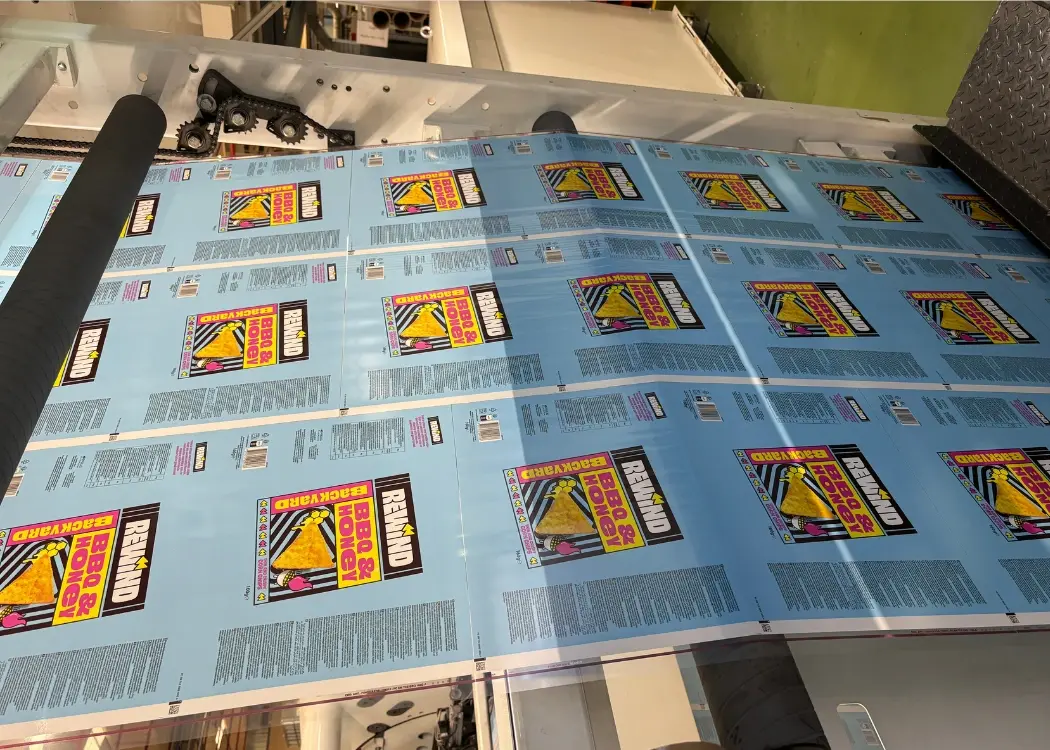
Printing may seem like just one step in packaging production, but for food and beverage brands, it’s one of the most critical stages. A misprint, an...

View Full Article
You’ll want to buy these K-beauty products just for the packaging

You’ll want to buy these K-beauty products just for the packaging

Let’s be honest: we all love a good serum, but when it comes in a bottle shaped like a milk carton or a cream that looks like a peach? Take. Our....

View Full Article
What ties Barbie, Oatly & Tesla together? Brilliant packaging

What ties Barbie, Oatly & Tesla together? Brilliant packaging

When you think of Barbie, you might picture hot pink plastic. Oatly? Probably that cheeky, handwritten font on a beige carton. And Tesla—sleek,...

View Full Article