4 min read

Color hierarchy in packaging: dominant vs recessive colors

Color hierarchy in packaging: dominant vs recessive colors
Understanding Color: Dominant vs. Recessive Colors in Packaging Design
5:25

In retail, packaging has only a few seconds to do its job. Before a customer reads a single word, they react to color.

What determines whether a product stands out or gets ignored is not just the choice of colors — but how they are organized. This is where color hierarchy comes in.

Understanding the difference between dominant and supporting (recessive) colors allows brands to control attention, improve clarity, and ultimately increase product visibility on the shelf.

What Do Dominant and Recessive Colors Mean?

In packaging design, colors play different roles — they are not equal.

A dominant color is the first thing the eye notices. It defines the overall impression of the product and creates immediate recognition. This is usually the most visible, saturated, or widely used color on the package.

Supporting (recessive) colors work in the background. They don’t compete for attention but instead help organize information, create contrast, and guide the viewer through the design.

A simple way to think about it:

  • Dominant color = attracts attention
  • Supporting colors = structure and clarify

Without this hierarchy, packaging becomes visually noisy. With it, even minimal designs can feel clear, intentional, and premium.

Why Color Hierarchy Matters in Packaging

On a crowded shelf, products are perceived as blocks of color before anything else.

A strong dominant color helps a product:

  • stand out from competitors
  • communicate category or positioning
  • create fast brand recognition

Supporting colors then help:

  • differentiate variants (flavors, scents, formats)
  • improve readability
  • reduce visual clutter

Without a clear hierarchy, the eye doesn’t know where to look — and the product risks being overlooked.

How to Create a Strong Color Hierarchy in Packaging

Creating effective color hierarchy is less about choosing “bright” colors and more about controlling visual attention.

1. Start with One Clear Dominant Color

The most effective packaging systems rely on a single primary color that defines the product.

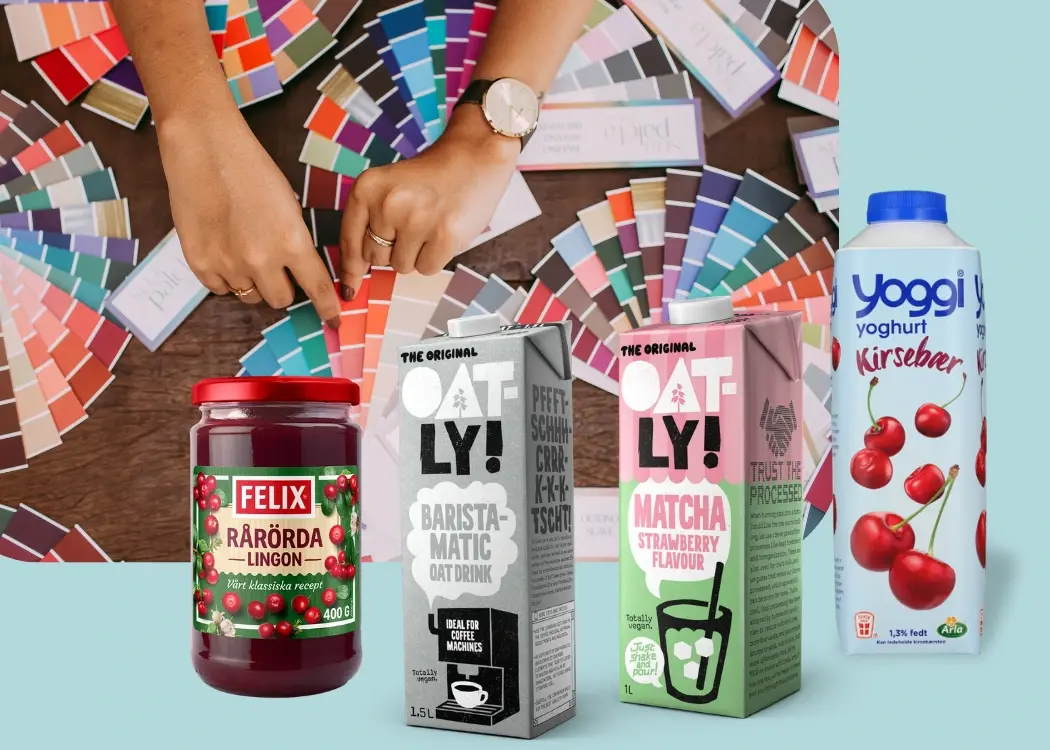
Oatly is a strong example. Its light blue packaging clearly stands out in a category dominated by white and traditional dairy cues. The color is consistent, recognizable, and instantly associated with the brand.

2. Use Contrast to Guide the Eye

Dominance is created through contrast — not just color choice.

You can increase contrast by:

  • pairing light and dark tones
  • combining saturated and muted colors
  • using color against neutral backgrounds

Arla uses clean white packaging combined with bold blue elements to create strong contrast. The white background acts as negative space, while the saturated blue draws attention to key information like product type and brand. This contrast helps guide the eye quickly and makes the packaging easy to scan on a crowded shelf.

3. Limit Your Color Palette

One of the most common mistakes in packaging is using too many colors.

Effective designs typically use:

  • 1 dominant color
  • 1–2 supporting colors
  • neutral space (white, black, or natural tones)

Limiting the palette makes the dominant color more impactful and improves overall clarity.

4. Use Supporting Colors for Product Navigation

Supporting colors should have a clear function — not just decoration.

They can be used to:

  • distinguish product variants
  • highlight secondary information
  • create a consistent system across a product line

Felix uses a consistent base design across its product range, while relying on supporting colors to differentiate flavors and product types. For example, ketchup, sauces, and ready meals share a recognizable layout, but use different accent colors (red, green, yellow) to signal variants. These supporting colors help shoppers quickly find the right product on the shelf without needing to read the label in detail.

5. Leverage Negative Space

Empty space increases the power of color.

When a dominant color is surrounded by neutral space, it becomes more noticeable and easier to process. This approach also improves readability and gives packaging a more premium, modern feel.

IKEA food packaging often uses clean layouts with restrained color use, allowing key elements to stand out without overwhelming the viewer.

6. Control Saturation and Intensity

Highly saturated colors tend to feel more dominant, while muted tones recede.

You can create hierarchy by:

  • pairing bold colors with softer tones
  • reducing saturation in background elements
  • using subtle color shifts instead of strong contrasts

Even a bright color can become “recessive” if it is desaturated or used in smaller amounts.

Common Mistakes in Color Hierarchy

Even well-designed packaging can fail if hierarchy is unclear. Some frequent issues include:

  • Too many competing colors with equal visual weight
  • Overuse of bright accents
  • Lack of contrast between elements
  • No clear focal point
  • Inconsistent color use across product lines

These problems make packaging harder to scan and reduce shelf impact.

From Attention to Conversion

Color hierarchy doesn’t just affect aesthetics — it directly influences behavior.

  • Clear dominance → faster attention
  • Structured layout → easier decision-making
  • Consistent color system → stronger brand recognition

In a retail environment, these factors translate into better visibility and higher chances of purchase.


Managing packaging shouldn’t be this complex

Simplify workflows, approvals, and updates with Cway

Conclusion

Great packaging is not about using more color — it’s about using color with intention.

A strong dominant color captures attention. Supporting colors create clarity and structure. Together, they form a system that guides the consumer from first glance to final decision.

In a crowded market, that clarity is what makes packaging work.


FAQ

Understanding color separation in packaging design

Understanding color separation in packaging design

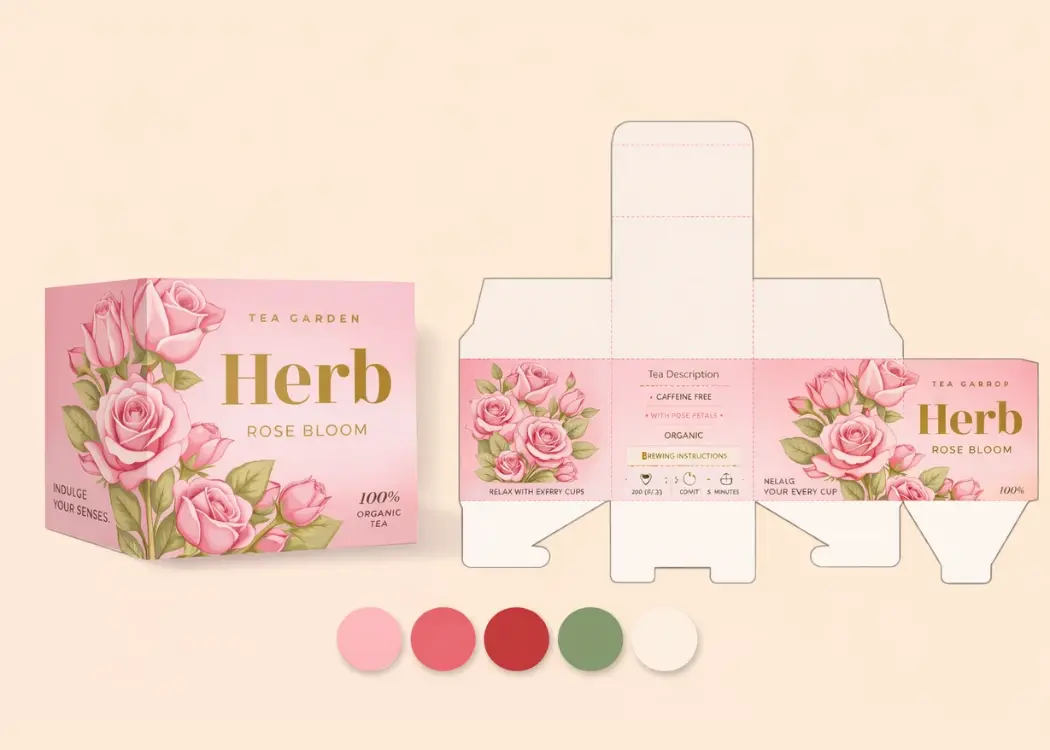
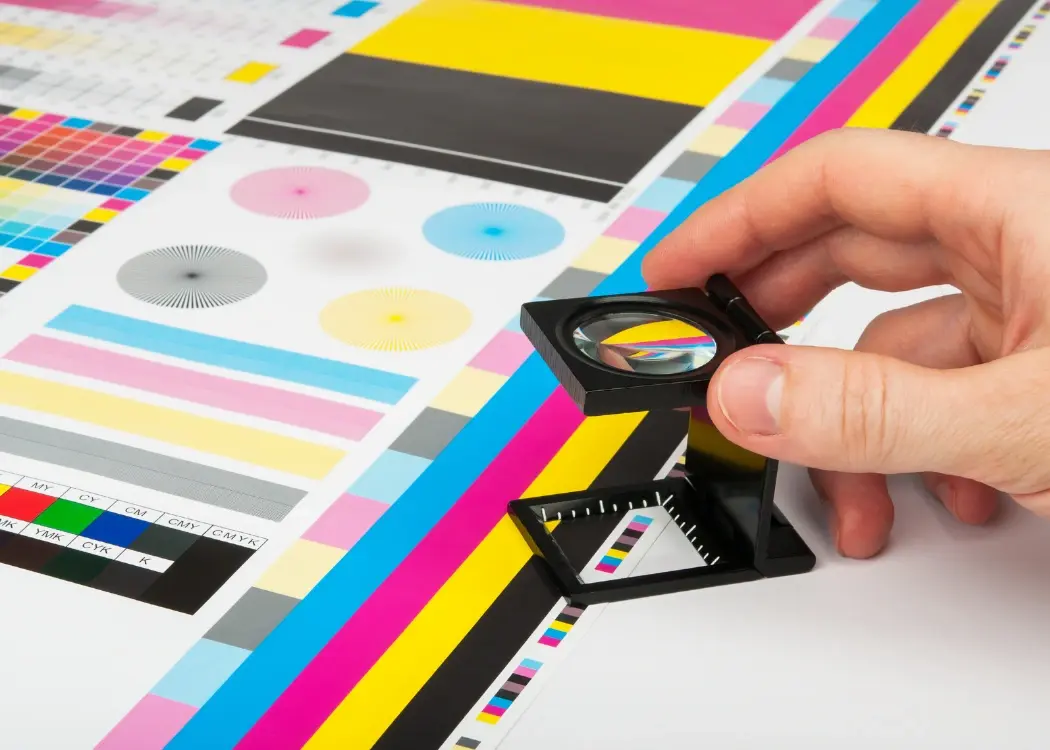
In packaging design, color accuracy is more than an aesthetic choice — it’s a reflection of your brand’s identity and consistency. Whether you’re...
View Full Article
Elements of design and principles for effective packaging design

Elements of design and principles for effective packaging design

FMCG packaging has only seconds to capture attention and communicate value on crowded store shelves. Understanding the elements of design and...

View Full Article
The role of prepress collaboration software in packaging design

The role of prepress collaboration software in packaging design

The prepress process plays a critical role in ensuring high-quality packaging production. But with multiple stakeholders involved — including...

View Full Article