5 min read

Elements of design and principles for effective packaging design

Elements of design and principles for effective packaging design
How elements of design and principles shape FMCG packaging
7:46

FMCG packaging has only seconds to capture attention and communicate value on crowded store shelves. Understanding the elements of design and principles is essential for creating packaging that stands out, stays consistent, and works at scale. This article explores how these design fundamentals shape FMCG packaging—from color and typography to hierarchy and contrast—and why they matter in real retail environments. You’ll learn how applying the right design elements and principles helps improve shelf visibility, brand recognition, and packaging consistency across growing product ranges.


Why Design Fundamentals Matter in FMCG Packaging

The reality of FMCG shelf environments

FMCG packaging competes in crowded, visually noisy spaces. Multiple brands, similar formats, price promotions, and private labels fight for attention at the same time. Shoppers do not read packaging in detail—they recognise, scan, and decide.

Design fundamentals help packaging:

  • Stand out among competitors

  • Communicate clearly at a distance

  • Support fast, confident decision-making

Without a strong foundation in design principles, even well-branded products can disappear on shelf.

Packaging as both marketing and functional design

FMCG packaging must balance emotional appeal with practical constraints. It acts as:

  • A marketing tool (brand, value, differentiation)

  • A functional object (protection, usability, logistics)

  • A legal document (regulatory and compliance information)

The elements of design and principles help reconcile these competing demands into a coherent, effective pack.

Core Elements of Design in FMCG Packaging

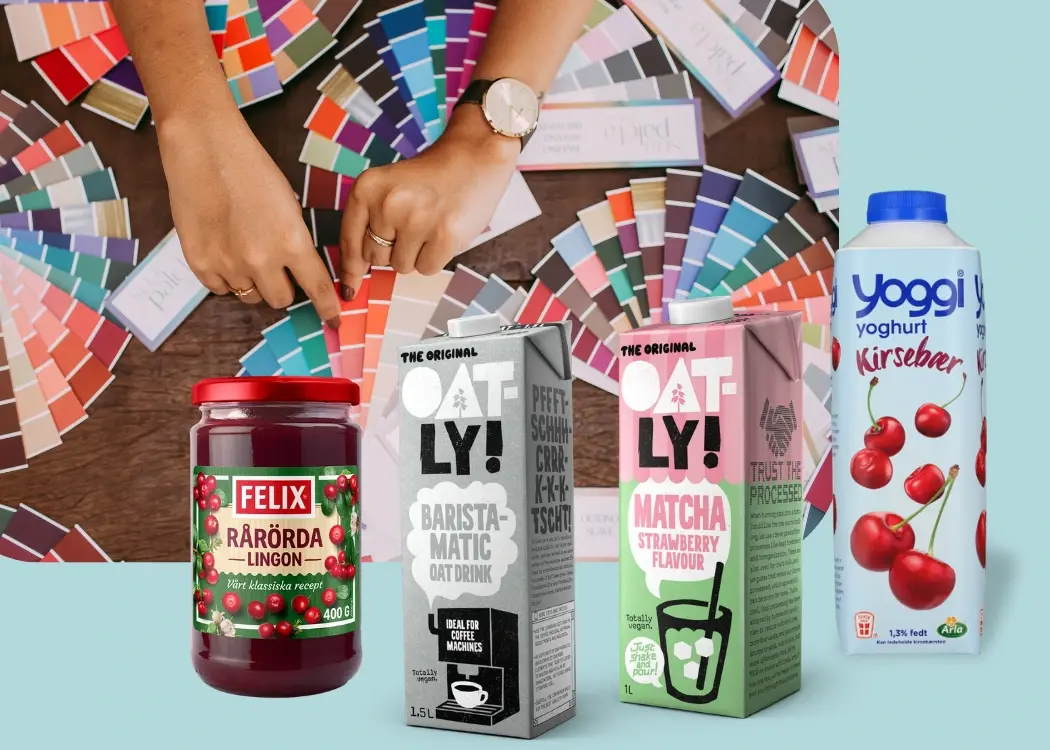
Color – recognition, differentiation, and emotion

Color is often the first element shoppers notice. In FMCG, it plays several critical roles:

  • Brand recognition: Consistent brand colors enable instant identification

  • Variant differentiation: Flavours, formats, or benefits are often color-coded

  • Emotional cues: Color signals category expectations (e.g. green for natural, red for bold or indulgent)

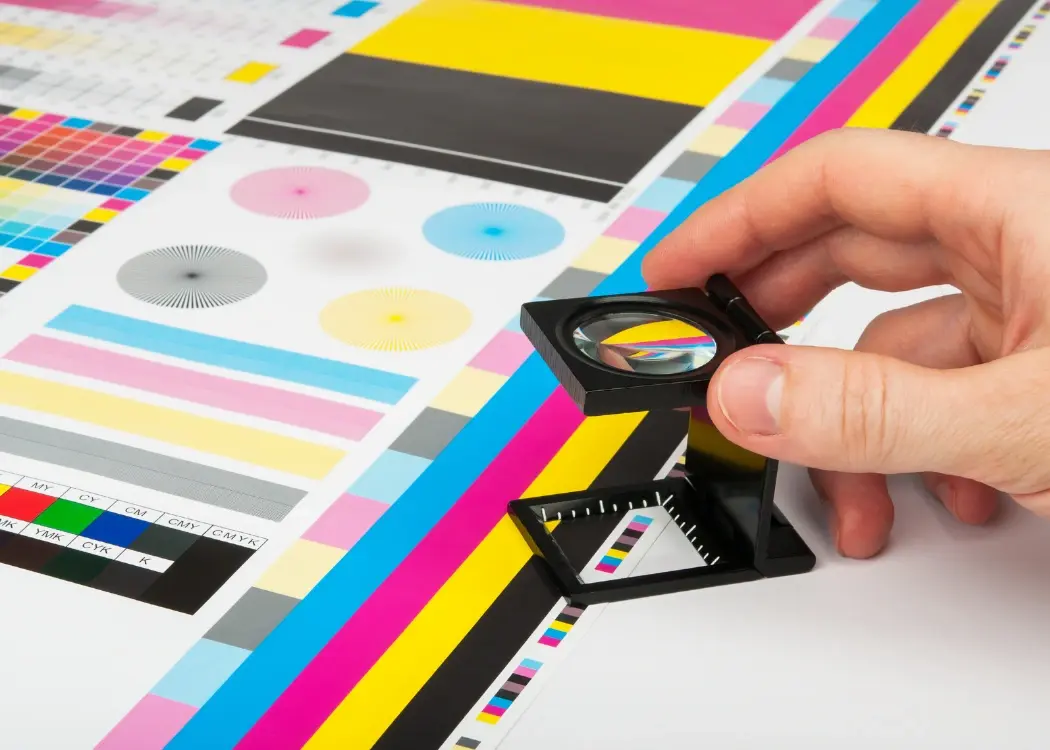
Color choices must also work in print, across materials, and across markets—making consistency just as important as creativity.

Typography – clarity, hierarchy, and compliance

Typography in FMCG packaging must work hard in limited space. It communicates brand personality while carrying essential information.

Key considerations include:

  • Clear hierarchy between brand name, product name, and benefits

  • Legibility at shelf distance and on small packs

  • Accommodation of mandatory legal text and multiple languages

Poor typographic decisions can make packaging feel confusing, cluttered, or untrustworthy.

Imagery and illustration – instant communication

Imagery helps shoppers understand a product without reading. In FMCG, visuals often:

  • Signal taste, quality, or function

  • Reinforce category norms

  • Support emotional engagement

Whether using photography or illustration, consistency and cultural relevance are essential—especially for brands operating across regions.

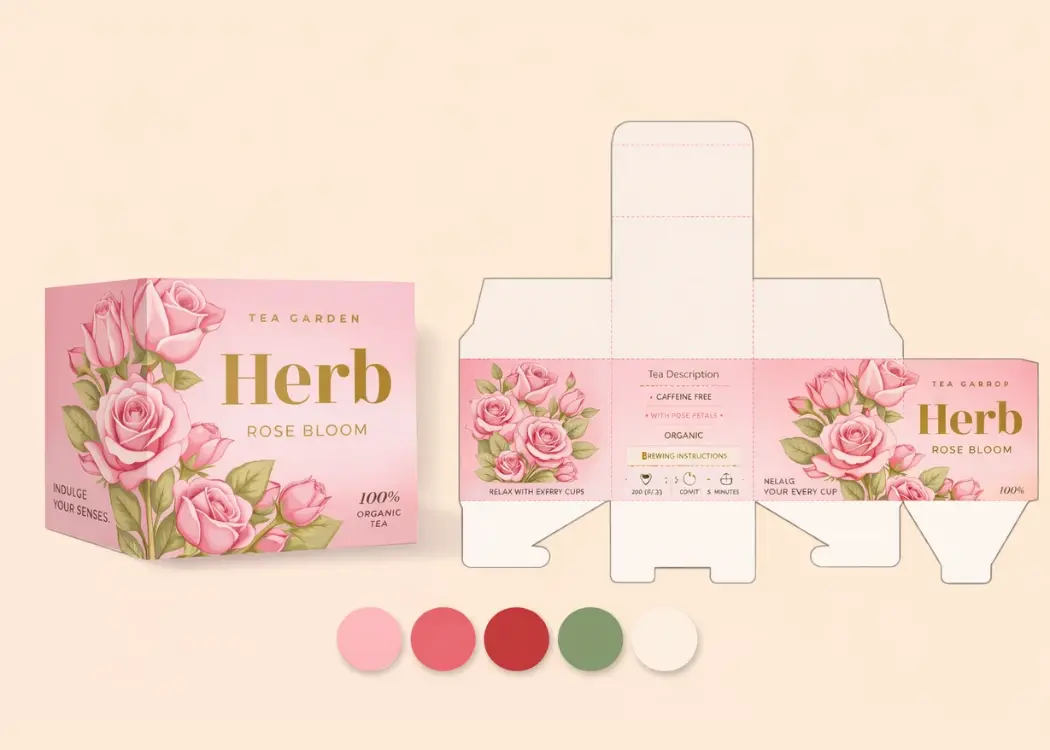
Shape, form, and layout

Packaging shape and layout influence both perception and practicality:

  • Unique forms can become strong brand assets

  • Layout impacts shelf blocking and visibility

  • Structural decisions affect logistics, storage, and sustainability

Designing shape and layout requires collaboration between design, packaging engineering, and operations teams.

Material and texture

Materials influence how a product feels in hand and how it is perceived:

  • Matte vs gloss finishes suggest different quality cues

  • Paper, plastic, or hybrid materials affect sustainability perception

  • Printing limitations vary by substrate

Texture and material choices must support both brand positioning and production feasibility.

Key Principles of Design That Shape FMCG Packaging

Visual hierarchy – the most critical principle

Among all principles, visual hierarchy is the most important in FMCG packaging. It ensures that shoppers instantly understand:

  1. What brand this is

  2. What the product is

  3. Why it matters

Strong hierarchy guides the eye naturally and prevents information overload.

Contrast and emphasis

Contrast improves visibility and comprehension. It helps:

  • Key messages stand out on shelf

  • Text remain readable against backgrounds

  • Variants and promotions be clearly distinguished

Effective contrast is essential in crowded FMCG environments.

Balance and alignment

Balanced layouts feel stable and trustworthy. In FMCG:

  • Poor balance can signal low quality

  • Alignment supports clarity and legibility

  • Layouts must adapt across pack sizes without losing structure

Balance helps maintain brand credibility across formats.

Consistency and repetition across product ranges

Consistency is how FMCG brands win recognition over time. Repetition of colors, typography, layouts, and visual cues:

  • Makes products easier to find

  • Strengthens brand recall

  • Supports portfolio growth and line extensions

Consistency also simplifies artwork creation and approvals.

Unity within complex packaging systems

Unity ensures that all elements work together rather than competing. This becomes critical when managing:

  • Multiple SKUs

  • Regional variants

  • Seasonal or promotional packs

Unified design systems help brands scale without visual fragmentation.

Applying Design Principles at Scale in FMCG

From single pack to full product portfolio

FMCG packaging is rarely designed once. Products evolve through:

  • New variants

  • Regulatory updates

  • Market expansions

Designing flexible systems—rather than one-off packs—ensures the elements of design and principles remain intact as portfolios grow.

Artwork execution and production realities

Even the strongest design can fail if execution breaks down. Common challenges include:

  • Color inconsistency across print suppliers

  • Version control errors

  • Slow approvals and last-minute changes

Strong artwork workflows are essential to protect design integrity from concept to shelf.

Common FMCG Packaging Design Mistakes

Prioritising aesthetics over shelf performance

Packaging that looks good in presentations may fail in real retail environments if hierarchy and contrast are weak.

Overloading packs with information

Too many messages dilute impact and reduce clarity. Design principles help prioritise what truly matters.

Inconsistent application of design rules

Inconsistency across SKUs weakens brand recognition and creates operational inefficiencies.

Ignoring production and artwork constraints

Designs that do not account for printing, materials, or regulatory needs often require costly rework.

Designing FMCG Packaging That Works in the Real World

Designing for speed, scale, and clarity

Successful FMCG packaging is designed for:

  • Fast shopper decision-making

  • Large and evolving product ranges

  • Clear communication under real conditions

Aligning design, marketing, and packaging teams

Design fundamentals work best when teams share a common understanding of design rules and priorities.

Supporting design with strong artwork workflows

Clear processes, version control, and approvals ensure that the original design intent survives execution at scale.

Conclusion: Design Fundamentals as a Strategic Asset

The elements of design and principles are not abstract concepts in FMCG packaging—they are strategic tools. When applied thoughtfully, they drive shelf impact, brand recognition, operational efficiency, and long-term scalability.

In a category where speed and consistency matter as much as creativity, mastering these fundamentals is what turns good packaging into successful packaging.


FAQ

The role of prepress collaboration software in packaging design

The role of prepress collaboration software in packaging design

The prepress process plays a critical role in ensuring high-quality packaging production. But with multiple stakeholders involved — including...

View Full Article
Understanding color separation in packaging design

Understanding color separation in packaging design

In packaging design, color accuracy is more than an aesthetic choice — it’s a reflection of your brand’s identity and consistency. Whether you’re...

View Full Article
You’ll want to buy these K-beauty products just for the packaging

You’ll want to buy these K-beauty products just for the packaging

Let’s be honest: we all love a good serum, but when it comes in a bottle shaped like a milk carton or a cream that looks like a peach? Take. Our....

View Full Article