Understanding color separation in packaging design
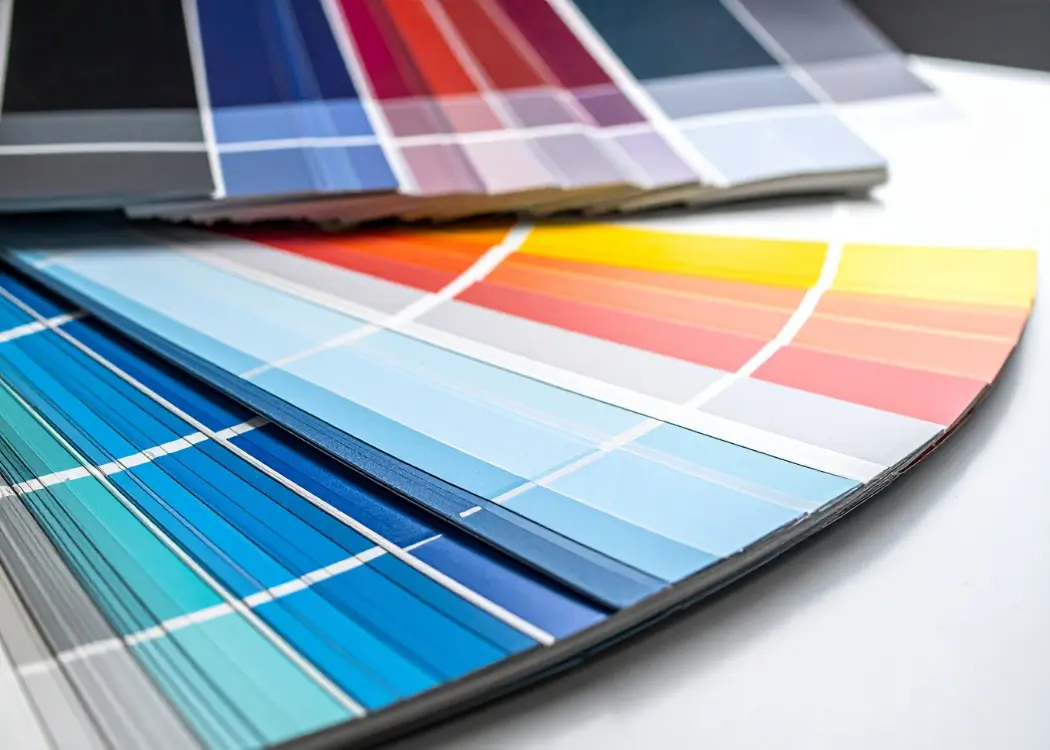
In packaging design, color accuracy is more than an aesthetic choice — it’s a reflection of your brand’s identity and consistency. Whether you’re...
1 min read
William Janeway
:
April 23, 2026
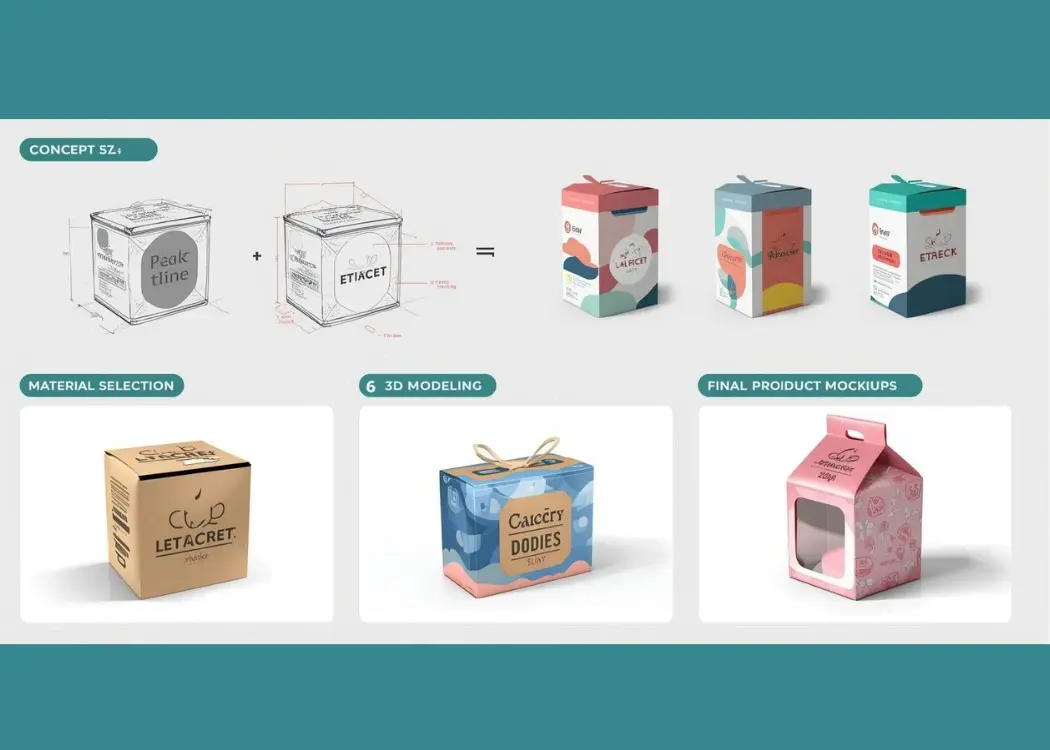
Designing dielines—flat templates that guide the cutting and folding of packaging—requires a careful balance of technical precision, material knowledge, and visual planning. Even experienced designers face a range of challenges that can directly affect the final product’s functionality and appearance.
One of the most critical aspects of dieline creation is maintaining exact measurements. Small inaccuracies in cut lines, fold lines, or glue flaps can lead to serious issues during assembly. Packaging may not close properly, edges can become misaligned, and the overall structure may lose its integrity. Because of this, designers must work with high precision and thoroughly test their layouts before production.
Different materials introduce their own complexities. Cardboard, corrugated board, and plastic each respond differently to cutting, folding, and pressure. For example, thicker materials often require additional allowances for folds, while more rigid substrates may need specialized creasing techniques. Ignoring these characteristics can result in cracks, деformations, or weakened structural performance.
Another challenge lies in aligning the dieline with printing specifications. Designers must consider bleed areas, trim lines, and safe zones to ensure that graphics are printed correctly. Misalignment at this stage can lead to visible defects such as cut-off text, uneven borders, or shifted imagery, ultimately reducing the quality and professionalism of the packaging.
Beyond visual and structural considerations, dielines must ensure that the product fits securely inside the packaging. A well-designed structure prevents movement, protects the contents during transportation, and maintains its shape under stress. Poorly planned locking mechanisms or weak flaps can compromise both safety and usability.
Modern packaging design also requires attention to environmental impact. Designers are expected to minimize material waste while maintaining strength and durability. Achieving this balance can be challenging, as reducing material usage must not weaken the packaging or affect its visual appeal.
Overall, creating effective dielines involves more than just drawing templates. It requires a deep understanding of production processes, materials, and design principles. Successfully addressing these challenges allows designers to produce packaging that is not only visually appealing but also functional, durable, and efficient.
In packaging design, color accuracy is more than an aesthetic choice — it’s a reflection of your brand’s identity and consistency. Whether you’re...
How can teams deliver faster without compromising quality? Continuous delivery (CD) makes it possible by enabling frequent, reliable releases. At...
The prepress process plays a critical role in ensuring high-quality packaging production. But with multiple stakeholders involved — including...