4 min read

Label proofreading workflows that catch errors

Label proofreading workflows that catch errors
Why Label Errors Happen And Why Workflows Matter More Than Heroics
7:40

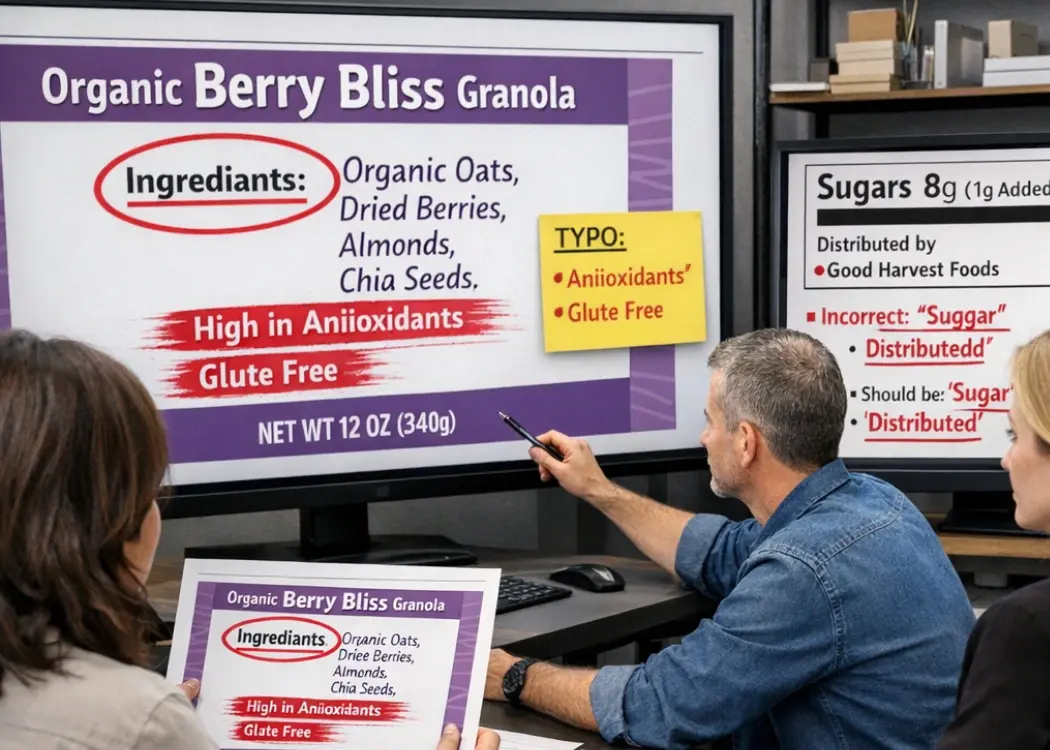
Every packaging team has a story about a label error that slipped through — an incorrect allergen, a missing recycling symbol, an outdated ingredient list, or a mistranslated claim that somehow made it all the way to print.

These mistakes rarely happen because teams are careless. They happen because modern packaging operations move fast, involve multiple stakeholders, and often rely on fragmented review processes spread across emails, spreadsheets, PDFs, and disconnected approval systems.

As packaging complexity grows across markets and SKUs, reducing packaging errors requires more than last-minute proofreading. It requires structured workflows, centralized approvals, and better operational visibility across packaging artwork, regulatory reviews, and packaging-related information.


Why Packaging Label Errors Still Happen

Packaging teams today operate under constant pressure to accelerate launches while maintaining packaging compliance across multiple markets, suppliers, and product variations.

In industries like the Food & Beverage Industry, even small labeling mistakes can create major operational and regulatory risks.

Common packaging errors often include:

  • incorrect allergens
  • outdated claims
  • missing legal text
  • wrong barcode versions
  • untranslated copy
  • outdated artwork files
  • inconsistent SKU information

Most of these issues are not isolated human mistakes. They are workflow failures caused by disconnected systems and unclear approval processes.

The Real Problem: Fragmented Packaging Workflows

In many organizations:

  • approved copy lives in spreadsheets
  • artwork files are shared through email
  • regulatory comments are buried in PDFs
  • approvals happen across multiple tools
  • suppliers receive outdated versions

This fragmentation creates confusion around one critical question:

Which version is actually approved?

Without a centralized workflow, packaging teams spend enormous amounts of time:

  • chasing approvals
  • reconciling comments
  • validating versions
  • confirming changes manually

This becomes even more difficult during complex packaging development initiatives involving multiple departments, agencies, and suppliers.

Common Causes Of Packaging Proofreading Mistakes

Version Confusion

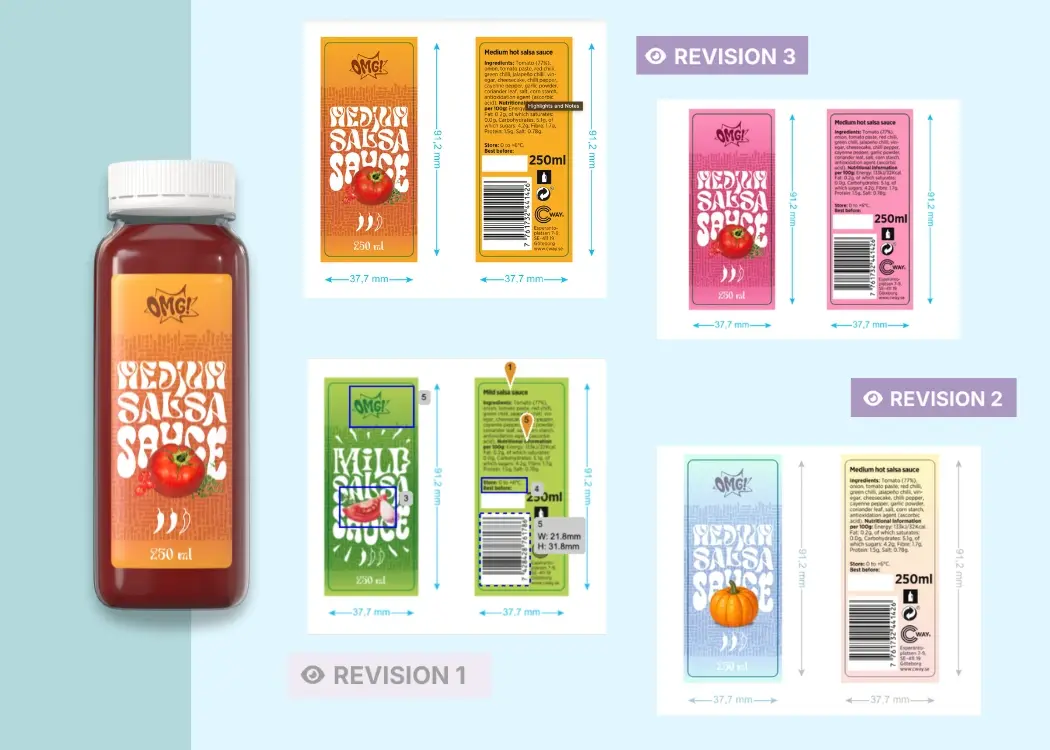
When multiple artwork versions circulate simultaneously, reviewers often comment on outdated files.

Without version-controlled workflows, obsolete artwork can accidentally move toward production.

Structured packaging artwork approval workflows help teams maintain visibility into current review status, approvals, and revision history.

Last-Minute Artwork Changes

Late packaging updates are one of the biggest sources of errors.

A small regulatory change made shortly before print production can unintentionally affect:

  • claims
  • ingredient lists
  • translations
  • barcode placement
  • legal formatting

When workflows lack clear review checkpoints, these changes often bypass full validation.

Disconnected Regulatory Reviews

Regulatory teams are frequently brought into the process too late.

As a result:

  • approvals become rushed
  • review cycles multiply
  • launch timelines slip

A structured artwork approval workflow ensures packaging compliance reviews happen at predefined stages instead of at the last possible moment.

Manual Approval Tracking

Spreadsheet-based approval tracking creates major operational risk.

Teams struggle to answer:

  • Who approved this?
  • Which version was approved?
  • What changed?
  • Are all mandatory reviews complete?

Without centralized governance, audit readiness becomes difficult to maintain.

Why Manual Proofreading Workflows Break At Scale

Manual workflows may appear manageable with a small number of SKUs.

But as organizations expand into:

  • new markets
  • new packaging formats
  • multilingual labeling
  • product extensions

…complexity increases exponentially.

This is especially true during product extension projects where new SKUs and packaging variants multiply approval paths and packaging review requirements.

At scale, disconnected workflows create:

  • approval bottlenecks
  • duplicated reviews
  • version confusion
  • slower launches
  • increased compliance exposure

This is why packaging operations increasingly rely on centralized packaging artwork and product information management strategies that improve workflow consistency and operational visibility.

Manual vs Structured Packaging Review Workflows

Manual Review Process

Structured Workflow

Email approvals

Centralized approvals

Multiple PDFs

Version-controlled proofs

Fragmented comments

Centralized annotations

Spreadsheet tracking

Real-time workflow visibility

Unclear ownership

Defined review responsibilities

Limited audit trails

Approval traceability

Manual follow-ups

Automated notifications


Structured workflows reduce operational friction while improving packaging compliance and review accuracy.

How To Build A Reliable Packaging Proofreading Workflow

1. Centralize Approved Copy And Artwork

The first step is creating a centralized environment for:

  • approved copy
  • artwork files
  • claims
  • packaging assets
  • project communication

A reliable single source of truth reduces confusion and helps teams work from approved versions consistently.

Platforms like Cway Software help packaging teams centralize workflows, approvals, artwork, and related packaging information in one operational environment.


2. Standardize Review Stages

Every packaging project should move through predefined approval stages, including:

  • internal review
  • regulatory review
  • legal approval
  • brand approval
  • printer sign-off

Structured packaging artwork approval workflows improve accountability and reduce missed approvals.

3. Add Compliance Checkpoints Early

One of the biggest workflow mistakes is treating compliance review as a final-stage activity.

Instead, packaging compliance checkpoints should happen throughout the process.

This helps teams catch:

  • labeling inconsistencies
  • translation issues
  • claim conflicts
  • formatting problems

before production preparation begins.

4. Improve Visibility Across Teams

Packaging workflows involve:

  • marketing
  • packaging operations
  • regulatory
  • quality
  • suppliers
  • agencies

Without centralized visibility, collaboration slows dramatically.

This becomes especially important when coordinating external printers and suppliers through broader supply chain management processes.

Operational visibility helps teams identify:

  • overdue reviews
  • workflow bottlenecks
  • pending approvals
  • launch risks earlier

5. Consolidate Assets And Proofing

Proofreading becomes much more efficient when artwork, proofs, and supporting assets live in the same environment.

Modern digital asset management and proofing workflows allow reviewers to:

  • compare versions
  • annotate directly on artwork
  • track changes visually
  • review approved assets centrally

This reduces reviewer fatigue while improving consistency across packaging projects.

Why A Single Source Of Truth Matters

Most packaging risks ultimately come from fragmented information.

When artwork files, approvals, comments, packaging assets, and SKU-related information live across multiple systems, operational control becomes difficult.

A centralized single source of truth helps teams:

  • reduce version confusion
  • improve packaging governance
  • maintain approval traceability
  • support packaging compliance
  • accelerate packaging execution

Rather than replacing human review, structured workflows help reviewers work more effectively with better context and fewer distractions.


FAQ


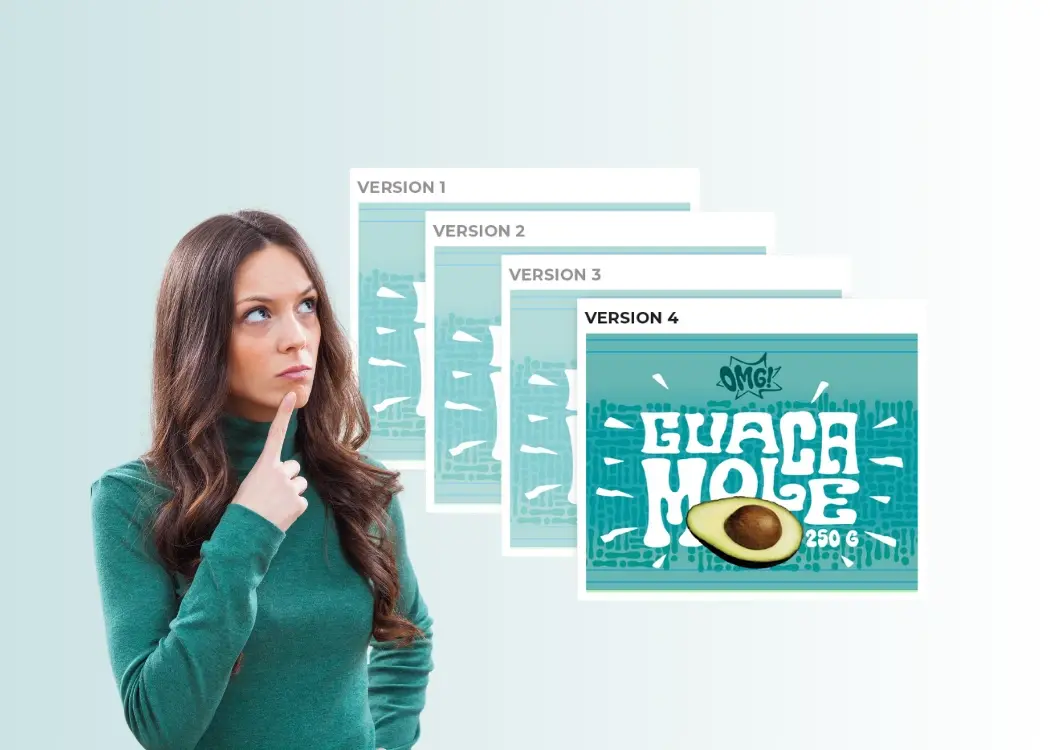
Why artwork version chaos is costing you more than you think

Why artwork version chaos is costing you more than you think

Artwork version chaos is one of the most underestimated drains on a company’s time, money, and brand integrity. When teams manage multiple versions...
View Full Article
Packaging design version control: best practices to stay on track

Packaging design version control: best practices to stay on track

You’ve probably been there: 10 rounds of artwork edits, 4 people CC’d on a PDF, and a folder full of files named Final_v3_THIS_ONE_USE.pdf....

View Full Article
Artwork lifecycle management (ALM): a guide for packaging teams

Artwork lifecycle management (ALM): a guide for packaging teams

Managing packaging design today involves far more than simply creating visual assets. From regulatory checks to version tracking and approvals, the...

View Full Article