3 min read

Why artwork version chaos is costing you more than you think

Why artwork version chaos is costing you more than you think
4:41

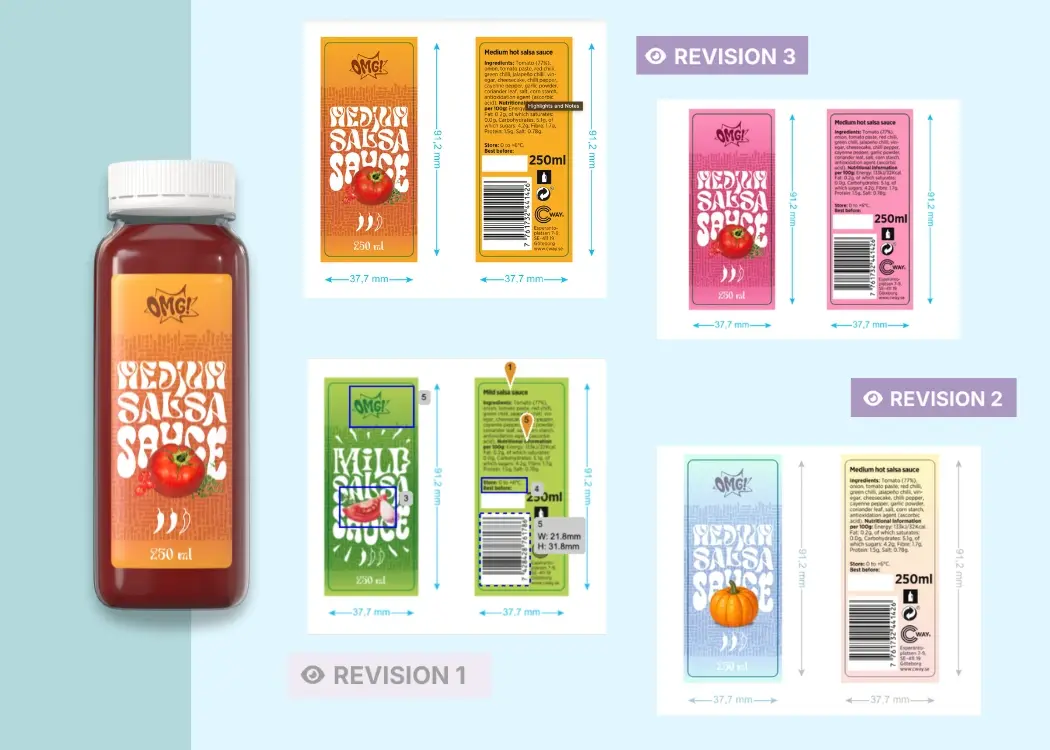
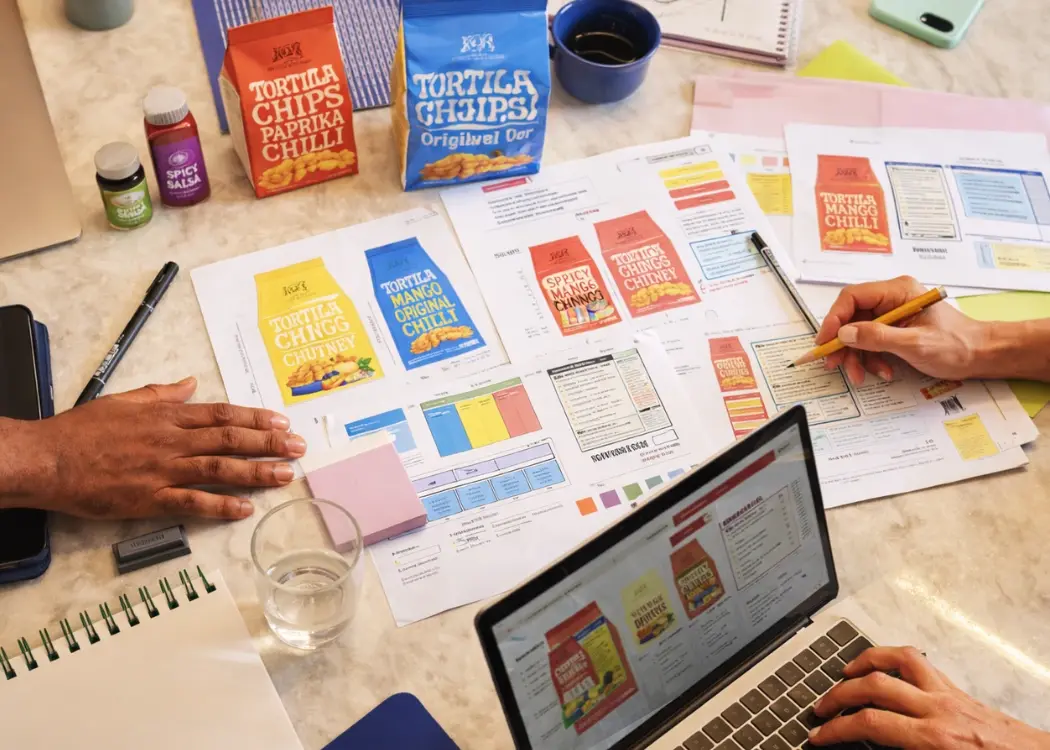
Artwork version chaos is one of the most underestimated drains on a company’s time, money, and brand integrity. When teams manage multiple versions of packaging and marketing materials across emails and folders, mistakes are inevitable. Delays, compliance issues, and repeated rework quietly add up to significant hidden costs.

Understanding the Hidden Costs

Even a single misaligned version can trigger a cascade of problems. Outdated or incorrect files may lead to:

  • Regulatory violations in highly controlled industries.
  • Expensive reprints and wasted materials.
  • Brand inconsistency across products or regions.

The Financial Impact of Version Errors

The cost of these mistakes isn’t always obvious. A mislabeled product or incorrect artwork may not just cause a minor delay—it can result in full production runs being scrapped, legal fines, or even recalls. In industries like food, cosmetics, or pharmaceuticals, a small error in packaging text or ingredient lists can have serious regulatory and financial consequences.

Hidden Operational Inefficiencies

Beyond direct costs, version chaos creates hidden operational inefficiencies. Teams spend hours searching for the latest files, reconciling edits from multiple sources, and double-checking approvals. These repeated tasks are often invisible in budgets, but over weeks and months, they translate into significant labor costs and delayed product launches.

The Brand Consequences

Brand reputation is also affected by unmanaged versions. Inconsistent labeling or packaging across regions can confuse customers and dilute brand trust. Even if no regulations are violated, consumers notice discrepancies, which can impact sales and loyalty over time.

Version Chaos Is More Than Money

In essence, the hidden costs of version chaos aren’t just about money—they’re about risk, time, and trust. Every mismanaged file represents lost efficiency and potential exposure, making proper artwork management not just a process improvement, but a critical business strategy.

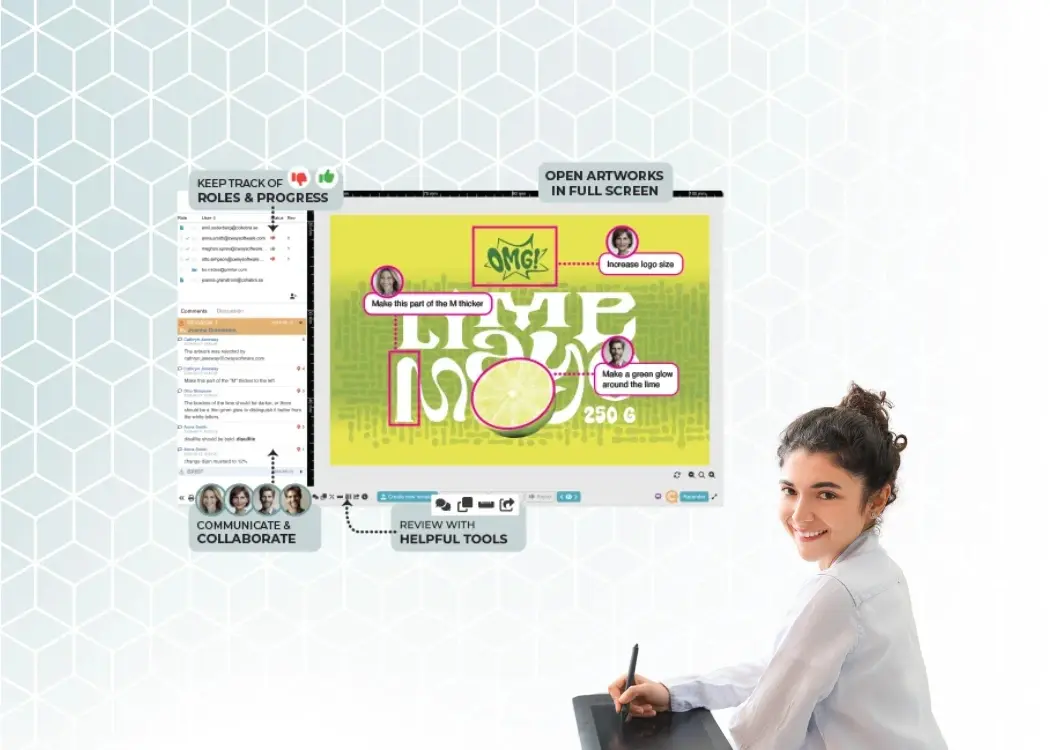
Implementing a centralized artwork management system ensures every version is tracked, approvals are documented, and the right file is always used. This transforms chaos into a controlled process.

From Chaos to Clarity: How Smoother Workflows Save Time

Endless email chains, multiple file versions, and unclear responsibilities are the reality for many packaging and marketing teams. Every extra step adds confusion, delays, and mistakes. By switching to a clear, structured artwork workflow, teams know exactly who needs to review or approve each version and by when, which removes uncertainty and prevents bottlenecks.

Modern packaging workflow software goes a step further. It automates approvals, enforces version control, and tracks each change in real-time. This not only reduces human error but also accelerates the overall process. Teams can focus on creative and strategic tasks instead of hunting for files or chasing approvals.

The impact of structured workflows is measurable. According to the Packaging Artwork Approval Benchmark, organizations that implement centralized approval systems complete artwork projects up to 30% faster than those relying on manual email chains. They also report a significant drop in errors and rework—fewer last-minute corrections, fewer misprints, and far less stress for both marketing and regulatory teams.

In short, a well-organized workflow doesn’t just save time—it reduces frustration, protects budgets, and ensures products reach the market faster and more accurately. The research proves that investing in structured workflows is not a “nice to have,” but a critical factor in efficiency and brand reliability.

Choosing the Right Tools

The right software makes a real difference. Online proofing software simplifies review and approval, while robust artwork management platforms enable real-time collaboration, secure version tracking, and complete transparency.

For a curated view, the Top 7 Artwork Management Software 2026 report guides decision-makers in selecting solutions that handle complex workflows efficiently.

Conclusion

Artwork version chaos is more than an operational nuisance—it is a silent cost that affects every aspect of product launches. By implementing a centralized artwork management system, streamlining packaging workflows, leveraging analytics and AI, and choosing the right tools, companies reduce errors, accelerate launches, and protect brand integrity. What was once a liability becomes a competitive advantage.


FAQ


How artwork lifecycle coordination improves packaging workflows

How artwork lifecycle coordination improves packaging workflows

In complex packaging projects, artwork doesn’t move in a straight line. A single label or carton design may pass through marketing, regulatory,...
View Full Article
Upgrade packaging design process with smart artwork workflow software

Upgrade packaging design process with smart artwork workflow software

If your team struggles to manage packaging artwork across multiple stakeholders, you’re not alone. In this article, we’ll explore how artwork...

View Full Article
How to Manage Packaging Artwork Files Efficiently

How to Manage Packaging Artwork Files Efficiently

Packaging artwork files are one of the most critical assets in product development. Labels, cartons, flexible packaging, and regulatory information...

View Full Article