Optimize Your Packaging Supply Chain
for Speed, Accuracy, and Control
Manage packaging across markets, teams, and vendors without losing control.
Cway helps supply chain and operations teams coordinate artwork, ensure consistency,
and deliver error-free packaging at scale — from global launches to local adaptations.
Keep Packaging Assets Controlled Across the Workflow
Packaging files don’t sit still — they move through multiple teams, tools, and approval steps.
Cway keeps that movement structured:
- Store all artwork files in a centralized system
- Keep versions, comments, and approvals connected
- Ensure every stakeholder works on the correct file
- Maintain clarity as assets progress through each stage
Instead of chasing files, teams work with a controlled, consistent flow.
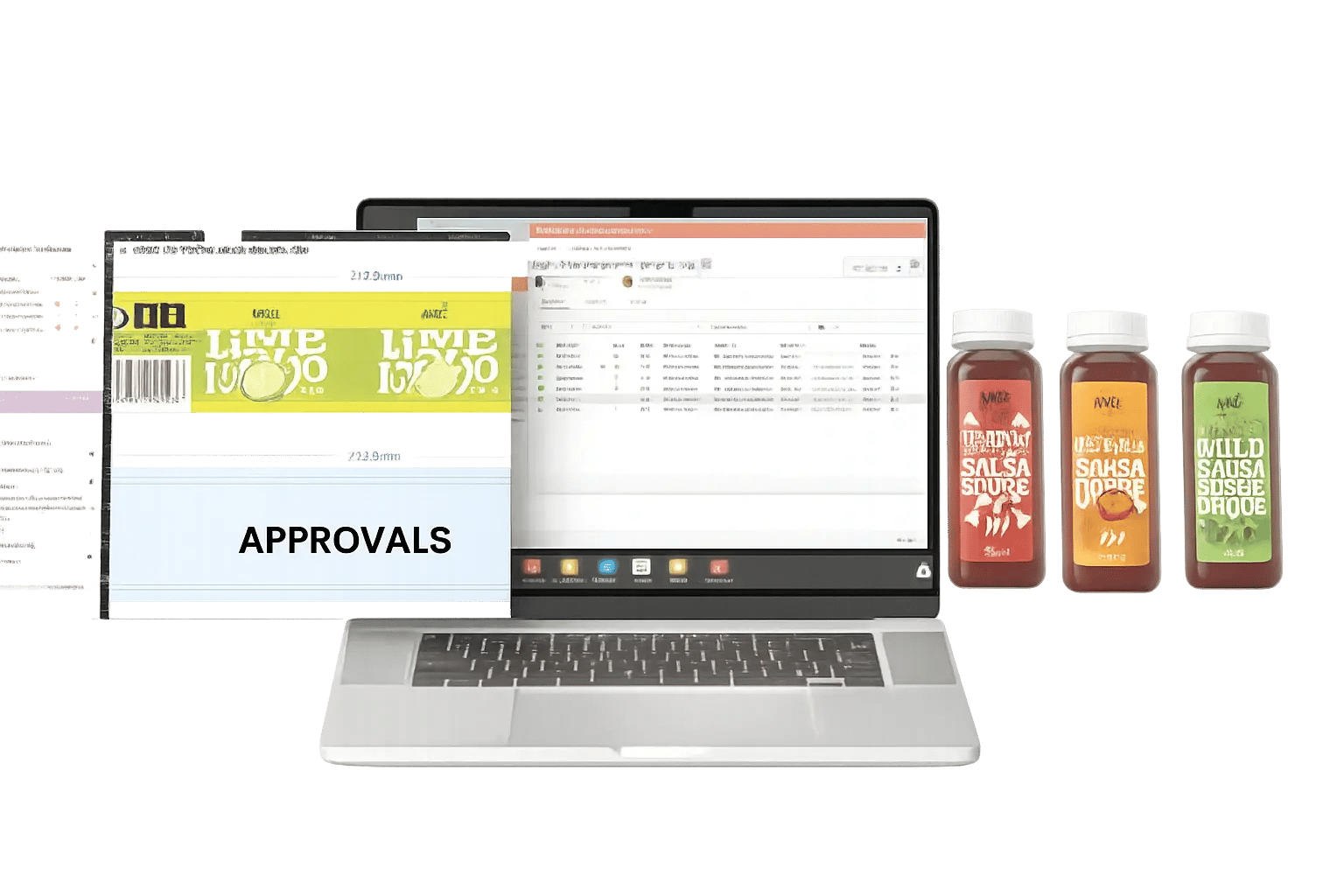
Align Teams and Partners in One System
Packaging involves more stakeholders than almost any other workflow.
Cway brings them together:
- Internal teams across packaging, regulatory, and operations
- External agencies, printers, and vendors
- Market-level reviewers and approvers
All feedback, updates, and decisions happen in context — reducing miscommunication and eliminating fragmented handoffs.

Deliver Error-Free Packaging at Scale
Most packaging issues don’t start in production — they start in review.
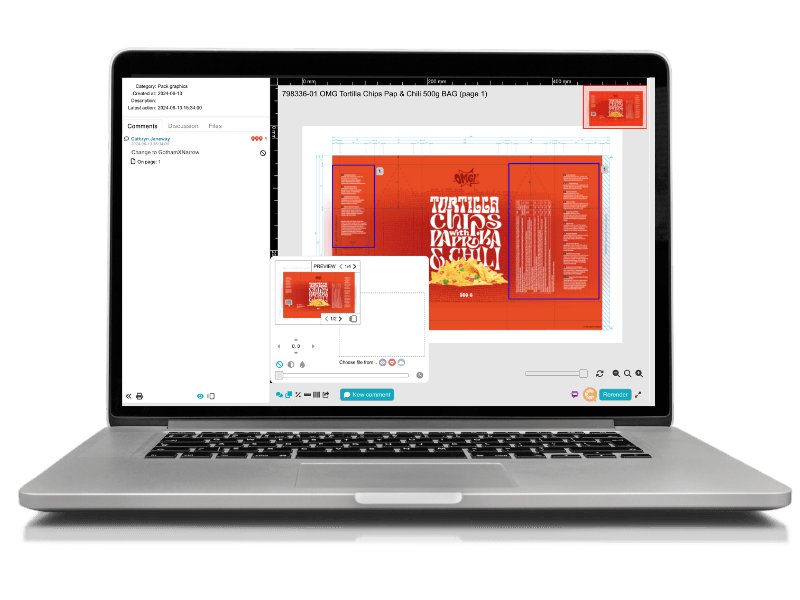
Cway helps teams validate artwork with precision:
- Comment directly on files
- Review in full resolution
- Zoom, measure, and inspect critical details
- Keep feedback clear and actionable
Problems are identified earlier, when they are still easy to fix.
Scale Operations with Structured Workflows
As the number of SKUs, markets, and variants grows, complexity increases fast.
Cway keeps work structured:
- Group artwork, feedback, and versions within each project
- Work across multiple assets without losing context
- Use metadata to organize and filter files
- Quickly find the latest, approved version
Even with parallel projects, everything remains clear and manageable.
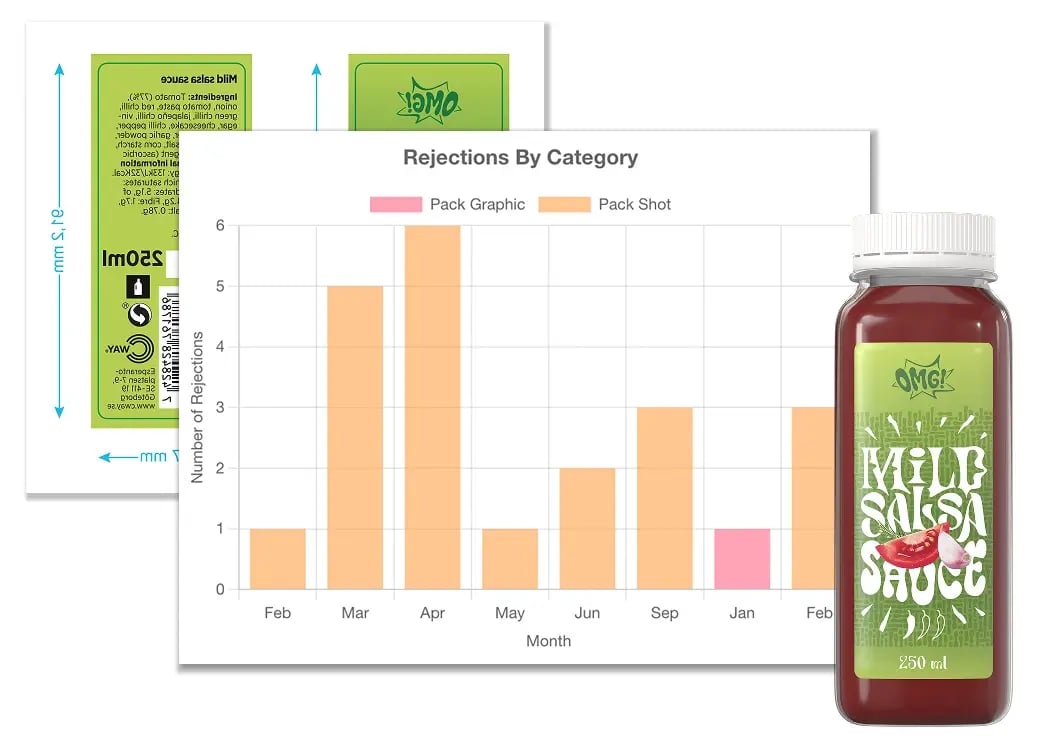
Bring Control to a Complex Packaging Environment
Packaging workflows are high-stakes: multiple stakeholders, strict requirements, and real production impact.
Without structure, teams rely on manual coordination, scattered feedback, and constant follow-ups.
Cway brings everything into a single, controlled environment — where artwork, feedback, and approvals stay connected, visible, and traceable from start to finish.
Because in packaging, small mistakes don’t stay small.
Faster Time-to-Market
- Reduce delays in approvals
- Align teams across regions faster
- Speed up market launches
Lower Operational Costs
- Reduce rework across markets
- Avoid duplicate effort
- Catch issues before production
Scalable Operations
- Handle more SKUs and variants
- Improve operational efficiency
- Maintain control across markets
FAQ
-
What is packaging supply chain management?
Packaging supply chain management is the process of coordinating packaging from design to production — including artwork, approvals, vendors, and delivery — to ensure accuracy, consistency, and on-time execution.
-
How do you manage packaging across multiple markets?
By centralizing packaging artwork, controlling versions, and structuring workflows across regions. This ensures all teams and partners work on the correct files, while approvals, feedback, and market-specific adaptations remain consistent, traceable, and aligned throughout the entire packaging lifecycle.
-
How can teams reduce errors in packaging supply chains?
By structuring review and approval workflows, validating artwork in detail, and maintaining full version control. This ensures changes are tracked, issues are identified early, and only accurate, approved packaging files move forward to production.
-
How do you manage collaboration with global packaging vendors?
By connecting internal teams and external vendors in a single workflow, where artwork, feedback, and approvals are managed in one place. This ensures clear communication, controlled file sharing, and full visibility across all regions and partners.
-
How can supply chain teams scale packaging operations?
By standardizing workflows, centralizing packaging artwork, and managing versions, approvals, and metadata in one system. This allows teams to handle more SKUs, markets, and variants while maintaining control, reducing rework, and keeping operations efficient.