2 min read

Sequential vs parallel workflows: which one wins?

Sequential vs parallel workflows: which one wins?
Sequential vs parallel workflows in artwork approval
3:55

Your artwork is ready. The design is approved. Everything looks perfect.

But it’s stuck.

Waiting for one more approval.

A day passes. Then another. Deadlines slip, teams get frustrated, and suddenly a simple packaging update turns into a bottleneck.

Sound familiar?

Most teams assume delays come from people or tools. But often, the real issue is something deeper:

Your workflow design.

So the question is — is your workflow helping you move faster, or quietly slowing you down?

What Is a Sequential Workflow?

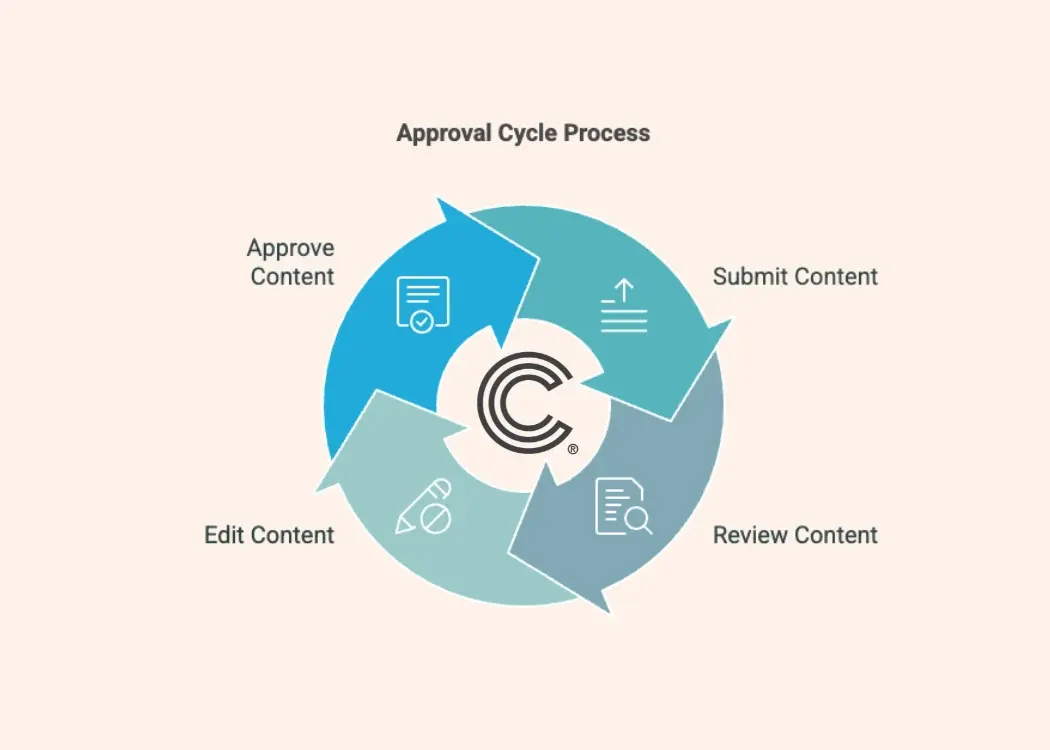
A sequential workflow is the traditional, step-by-step process where tasks happen one after another.

Example:
Designer → Brand → Legal → Regulatory → Final approval

Each step must be completed before the next begins.

Pros

  • Clear and structured
  • Easy to control and track
  • Reduces risk of conflicting feedback

Cons

  • Slow by design
  • Bottlenecks at every stage
  • Teams spend time waiting instead of working

Sequential workflows feel safe — and in some cases, they are. But that safety often comes at the cost of speed.

What Is a Parallel Workflow?

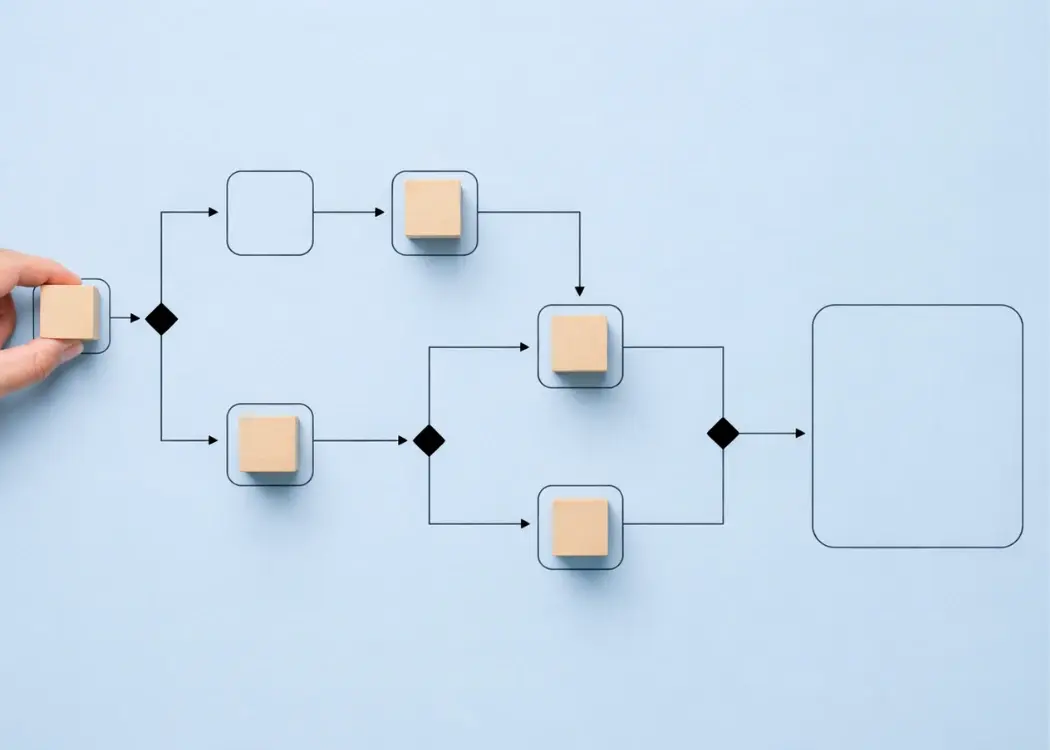
A parallel workflow allows multiple stakeholders to review or act at the same time.

Example:
Brand + Legal + Regulatory all review simultaneously

Pros

  • Faster approvals
  • Shorter time-to-market
  • Encourages collaboration across teams

Cons

  • Risk of conflicting feedback
  • Requires coordination
  • Hard to manage without proper systems

Parallel workflows unlock speed — but they introduce complexity.

The Real Problem: Bottlenecks

Here’s the uncomfortable truth:

Work rarely takes as long as waiting does.

In sequential workflows, delays are often invisible:

  • Waiting between approval steps
  • Feedback loops that trigger rework
  • Lack of visibility into who’s blocking progress

Teams think they’re slow because of workload — but in reality, they’re slow because of idle time.

👉 Speed is lost not in execution, but in waiting.

When Sequential Workflows Still Make Sense

Despite their limitations, sequential workflows are not obsolete.

They’re the right choice when:

  • Strict compliance is required (e.g., regulatory sign-off)
  • Decisions must follow a clear hierarchy
  • Changes carry high risk

In these cases, control matters more than speed.

When Parallel Workflows Are Better

Parallel workflows shine when:

  • Feedback can happen independently
  • Speed is critical to business success
  • Teams are cross-functional and distributed

If multiple stakeholders don’t depend on each other’s input, there’s no reason to make them wait.

The Best Approach: Hybrid Workflows

Here’s where things get interesting.

The real winner isn’t sequential or parallel.

It’s both.

A hybrid workflow combines the strengths of each approach:

Example:

  • Step 1: Parallel review (Brand + Legal + Regulatory)
  • Step 2: Sequential final approval

This structure allows teams to:

  • Move fast during collaboration
  • Maintain control at critical decision points

👉 The key is flexibility — not rigid process design.

How Technology Enables Better Workflows

Designing smarter workflows isn’t just about process — it’s about having the right system to support it.

Modern artwork management platforms (like Cway) enable teams to:

  • Automate workflow steps
  • Configure both parallel and sequential approvals
  • Gain real-time visibility into progress
  • Centralize feedback in one place
  • Track deadlines and prevent delays

Without the right technology, parallel workflows become chaotic — and hybrid workflows become impossible to manage.

With the right system, they become a competitive advantage.

Conclusion

So, which workflow wins?

  • Sequential workflows offer control
  • Parallel workflows deliver speed
  • Hybrid workflows provide the best of both

There’s no universal answer — because every team, product, and process is different.

👉 The real question isn’t which workflow wins — it’s whether your system lets you use both.

The best content approval workflow to eliminate errors

The best content approval workflow to eliminate errors

A solid content approval workflow can mean the difference between a smooth product launch and costly delays. In this article, we’ll walk through what...

View Full Article
How to streamline your artwork workflow from start to finish

How to streamline your artwork workflow from start to finish

In this article, we’ll explore how to improve your artwork workflow—from managing assets to approving designs faster. Discover how Cway® platform can...

View Full Article
Why Artwork Management Tools Work Better Than PM Software

Why Artwork Management Tools Work Better Than PM Software

Many teams start managing artwork using spreadsheets and project management tools. At first, it feels efficient. Tasks are assigned. Deadlines are...

View Full Article