3 min read

Key decisions for a fast-growing FMCG brand

Key decisions for a fast-growing FMCG brand
How FMCG Brands Scale: Solving SKU and Packaging Challenges
5:23

Fast growth is the ultimate goal for any FMCG brand—but it comes with a hidden cost: complexity.

At early stages, packaging, approvals, and supplier coordination are manageable. But as soon as a brand begins to scale, everything changes. SKUs multiply, product lines expand, new markets bring new regulations, and the number of stakeholders increases dramatically.

What used to be simple becomes chaotic:

  • multiple versions of packaging
  • scattered files and unclear ownership
  • slow approvals and missed deadlines
  • inconsistent execution across markets

At this point, growth stops being just a commercial challenge. It becomes an operational one.

The brands that succeed are not the ones that grow fastest—but the ones that build systems to manage that growth.

What Actually Breaks When FMCG Brands Scale

Before talking about solutions, it’s important to understand where things typically go wrong.

SKU Explosion

Every new product adds complexity. But in FMCG, growth is rarely linear. One SKU quickly turns into multiple variations:

  • sizes
  • flavors
  • languages
  • regulatory versions

This creates dozens—or hundreds—of artwork files that must be tracked, updated, and approved.

Without structure, teams lose control over what version is correct.

Supplier and Partner Complexity

Growth means more partners:

  • design agencies
  • packaging suppliers
  • print vendors

Each one operates differently. Without alignment, this leads to inconsistent outputs, duplicated work, and communication gaps.

Geographic Expansion

Entering new markets adds another layer:

  • different labeling laws
  • local compliance requirements
  • translation and adaptation needs

At the same time, the brand must remain consistent globally. This tension between localization and control is one of the hardest challenges in FMCG.

Internal Team Scaling

As companies grow, new roles and teams are added. But processes often don’t evolve at the same pace.

The result:

  • unclear ownership
  • duplicated efforts
  • slow decision-making

5 Key Decisions FMCG Brands Must Make Early

To avoid operational chaos, fast-growing brands need to make several strategic decisions early.

1. Define a Clear Packaging Operating Model

One of the most critical questions:
Who owns packaging and artwork?

Options include:

  • fully in-house
  • fully outsourced
  • hybrid model

Most brands choose hybrid—but this only works if roles are clearly defined.

What to decide:

  • who creates artwork
  • who approves it
  • who owns final files
  • how agencies and internal teams collaborate

Without this clarity, scaling leads to confusion and inefficiency.

2. Establish a Single Source of Truth for Artwork

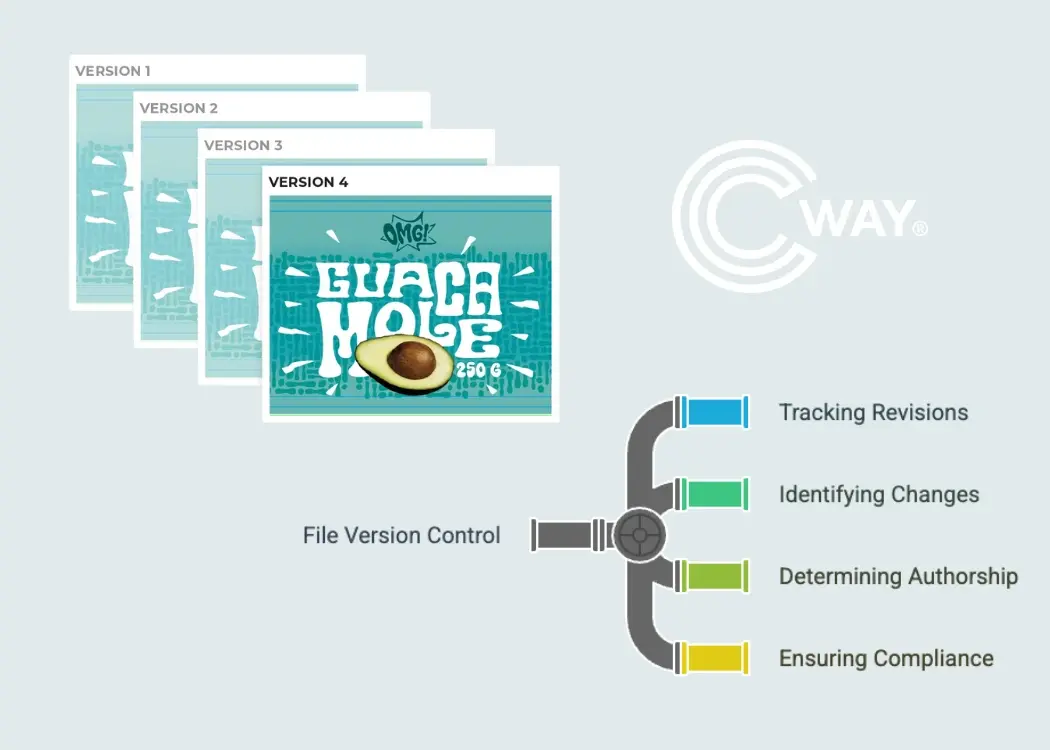
When files are stored across emails, folders, and different systems, errors become inevitable.

Common issues:

  • outdated artwork sent to print
  • wrong version used for a market
  • duplicated or conflicting files

Solution:
Create a centralized system where all packaging assets are stored, tracked, and updated.

This becomes the foundation for scalable operations.

3. Standardize Workflows Across All Partners

As the number of suppliers grows, so does fragmentation.

To scale effectively, brands need:

  • unified guidelines
  • standardized approval processes
  • consistent file structures

Everyone—from internal teams to external vendors—must work in the same system and follow the same rules.

4. Redesign Approval Processes for Speed

Manual approvals don’t scale.

Email threads, scattered feedback, and unclear responsibilities slow down launches and increase the risk of mistakes.

What scalable approval looks like:

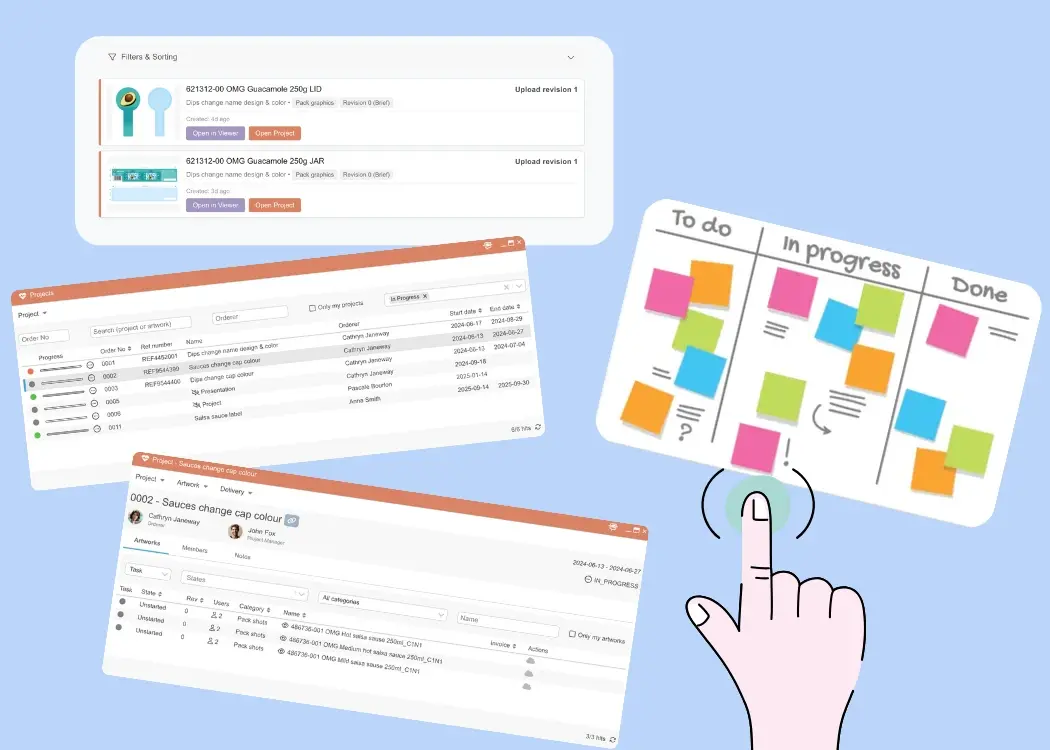
  • clear stages
  • defined owners
  • full visibility of status
  • reduced back-and-forth

Speed is critical in FMCG—but it must be controlled speed.

5. Build for Global Packaging from Day One

Even if a brand starts locally, expansion is usually inevitable.

This means packaging systems must support:

  • multiple languages
  • regulatory variations
  • local adaptations

At the same time, core brand elements must remain consistent.

Key principle:
Central control with flexible localization.

Why Traditional Tools Don’t Work Anymore

Many brands try to manage growth using:

  • spreadsheets
  • shared drives
  • email

These tools are not designed for packaging complexity.

They lack:

  • version control
  • workflow management
  • real-time visibility

As complexity increases, these limitations turn into real business risks.

The Role of Packaging & Artwork Management Systems

To scale efficiently, FMCG brands need dedicated infrastructure.

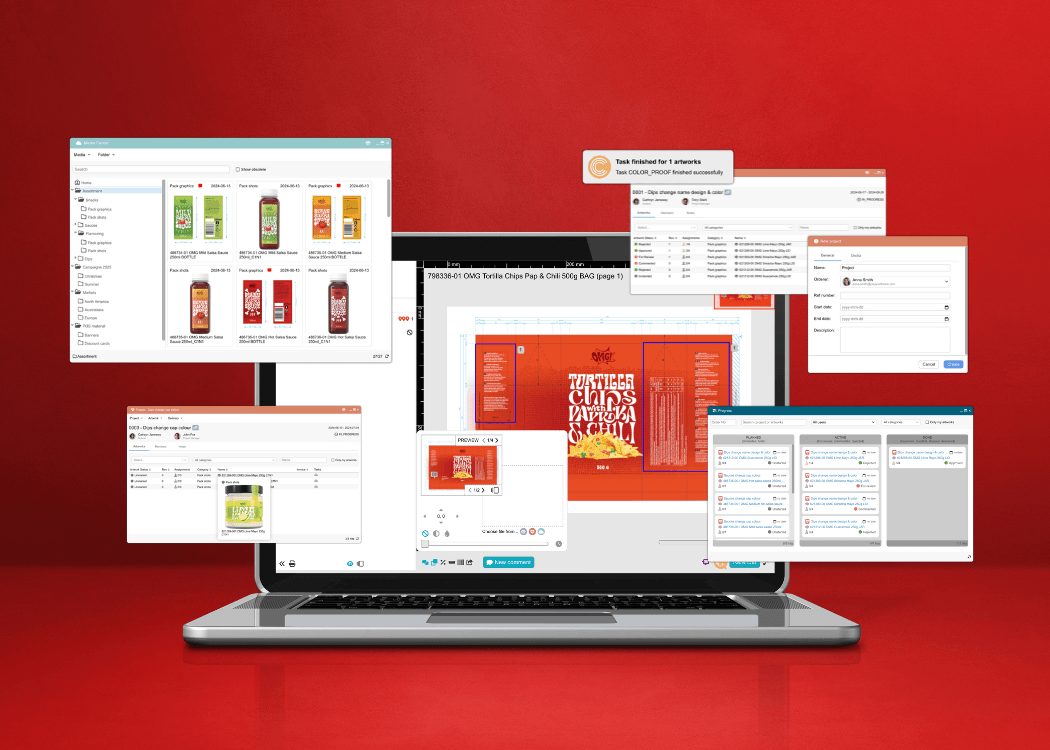
Artwork and packaging management platforms allow companies to:

  • centralize all assets
  • control versions and approvals
  • align internal teams and external partners
  • reduce errors and rework
  • accelerate time-to-market

Solutions like Cway are designed specifically for this stage of growth—when manual processes break and structured systems become essential.

Conclusion: Growth Requires Control

Scaling an FMCG brand is not just about launching more products. It’s about managing complexity without losing speed or consistency.

The companies that win are those that:

  • make early structural decisions
  • invest in scalable processes
  • implement the right systems

Because in FMCG, operational excellence is not a back-office function—it’s a competitive advantage.

And the earlier it’s built, the easier it is to scale.

Label and artwork management software for modern packaging teams

Label and artwork management software for modern packaging teams

If you’ve ever managed packaging artwork across multiple SKUs, markets, and deadlines, you already know the reality: it’s not the design that slows...

View Full Article
Speed up creative work with smart design approval software

Speed up creative work with smart design approval software

Streamline design approvals, enhance feedback loops, and get to market faster with Cway®—your all-in-one platform for artwork approval process.

View Full Article
Why artwork management systems beat project management tools

Why artwork management systems beat project management tools

The packaging and labeling landscape is changing faster than ever. Global teams must manage regulatory updates, artwork variants, multilingual...

View Full Article