Design review software: faster, error-free packaging workflows
When it comes to packaging, getting every detail right — from regulatory text to design alignment — is crucial. Yet, many teams still manage...
2 min read
William Janeway
:
December 8, 2025 at 9:00 AM
As sustainability standards evolve, packaging teams face growing pressure to adapt quickly — from new materials to changing regulations and label requirements. In this article, we look at what’s coming in 2026 and how brands can stay in control of their artwork and packaging assets with help from platforms like Cway®.
Sustainable packaging isn’t just about a “green look” anymore — it’s becoming a strategic and operational priority for brands, design teams, and packaging managers. Here are three main drivers — and why they matter for artwork & packaging workflows:
Many regions are making eco‑targets mandatory: for example, one article says the years around 2025–2026 mark a “crucial turning point” for the packaging industry as regulations tied to the European Green Deal become more specific and enforceable.
There is rising regulatory pressure around extended producer responsibility (EPR) and single‑use plastics bans. For instance, the British materials company Xampla recently raised $14 m to scale plant‑protein packaging alternatives, driven by UK/EU laws.
Why this matters for artwork/packaging teams: When regulations change, label content, materials specification, disposal symbols and artwork approvals all shift. Designs need to be updated faster and tracked more carefully.
Consumers increasingly expect transparent, eco‑friendly packaging. One report shows sustainable packaging “is no longer a niche” but a critical trend globally.
SIG in Australia launched a fully recycle‑ready “bag‑in‑box” wine packaging where bag, tap and carton were all designed for local recycling systems.
Artwork/packaging implication: This means design teams must ensure packaging carries correct eco‑messaging, recycling icons, compliance labels — and that the look and feel remain on‑brand while meeting these demands.
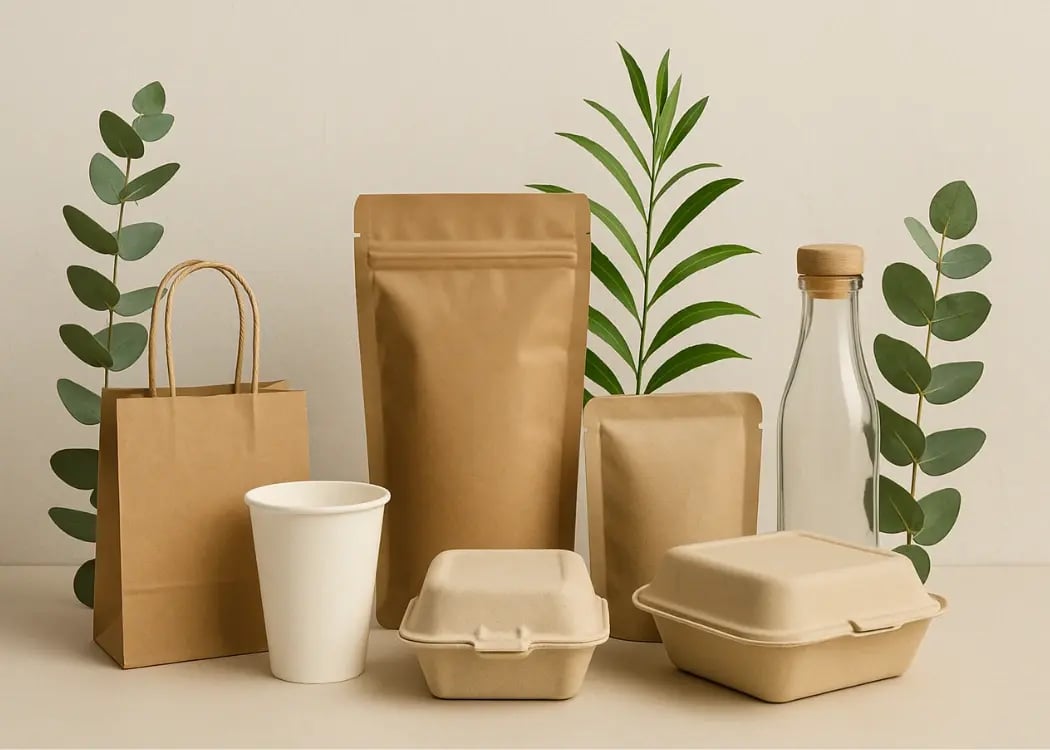
Materials science is advancing: for 2026 the push is toward bio‑based, compostable, minimal‑waste packaging. Example: a lab in India (IIT Madras) developed a packaging material from agricultural waste and mycelium.
As one trend piece notes: “Recyclable materials, plant‑based plastics, and biodegradable options are expected to become standard choices” by 2026.
What this means for the workflow: If materials change (e.g., switching from plastic film to compostable paper), artwork may need redesigns (different print processes, different substrates) and packaging approval workflows must adapt.
More frequent design changes: Material shifts + regulatory updates = more iterations of artwork, more versions.
More stakeholders involved: Legal/compliance teams, material suppliers, print houses — all must coordinate on these changes.
Greater complexity in approvals: Not just design aesthetics — but proofing for correct eco labels, disposal instructions, supplier certifications, etc.
Higher risk of error: If outdated artwork or wrong labels go into production, you could face regulatory non‑compliance, brand damage, or production waste.
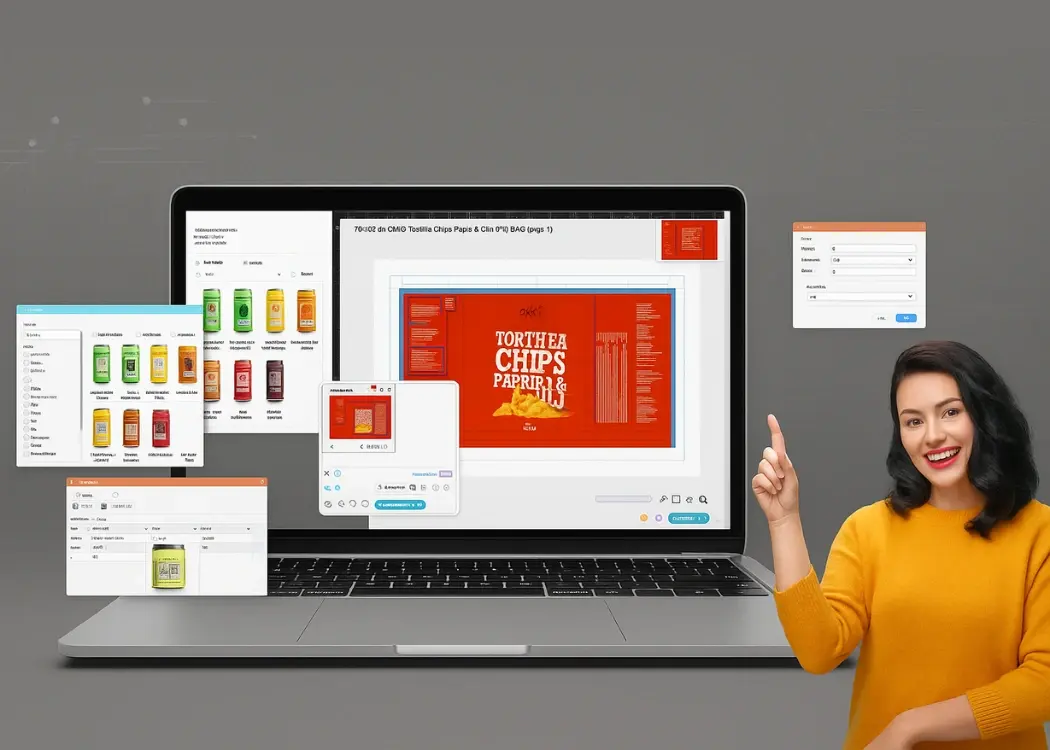
Cway® software addresses these challenges by centralising your packaging assets, enabling fast workflow for reviews/approvals and tracking versions — which is more important than ever in the sustainability‑driven landscape. For example:
Centralised asset library means your design team always works off the correct files and materials.
Real‑time collaboration & review tools – Reviewers can leave comments and annotations directly on design files, compare versions (side‑by‑side overlays) and ensure changes are visible and clear across teams and locations.
Version control and audit trails help you track when the artwork was approved, by whom, ensuring you aren’t relying on outdated artwork in production.
Book a free demo and see how Cway® can streamline your artwork management.
In short: the drivers of sustainability in 2026 (regulations, consumer expectations, materials innovation) are not separate from design & artwork workflows — they impact them directly. The packaging design, asset management and approval systems must evolve to handle this new pace and complexity. Using a platform like Cway® helps you stay ahead, streamline complexity, and reduce risk.
When it comes to packaging, getting every detail right — from regulatory text to design alignment — is crucial. Yet, many teams still manage...
In the fast-paced world of consumer packaging, disruptions are not just possible — they’re inevitable. Whether it's supply chain breakdowns,...
In packaging and marketing, approvals can often feel like a bottleneck. Endless email chains, version confusion, and last-minute edits slow down even...