5 min read

2026 packaging trends

2026 packaging trends
Packaging design trends 2026: from visuals to systems
11:01

For decades, packaging design has been treated as a largely visual discipline. Create the artwork, check compliance, send it to print, move on to the next SKU. That model no longer holds.

By 2026, packaging design is evolving from a collection of creative files into a connected, data-driven system—one that must support sustainability regulations, digital product passports, smart packaging, and faster go-to-market cycles, all at once.

Below, we explore the key packaging design trends shaping 2026—and what they mean in practice for design, marketing, regulatory, and packaging teams.

1. Sustainability Becomes a Design Constraint, Not a Design Claim

Sustainability has been a packaging talking point for years. In 2026, it becomes a non-negotiable design input.

Instead of asking “How do we communicate sustainability?”, teams are now asking:

  • How much material are we using?

  • Is this design recyclable at scale?

  • What is the carbon impact of this layout, size, and substrate?

What changes in practice

  • Sustainability decisions move upstream, into the design phase.

  • Visual cues like “natural” colors or kraft textures are no longer enough.

  • Designers must balance brand expression with measurable impact.

What this means for design

  • Fewer materials and layers

  • Reduced ink coverage

  • Simpler structures that work across recycling systems

  • Design choices backed by data, not assumptions

In short, sustainability becomes a design constraint, much like legal or regulatory requirements—shaping the outcome from the start.

How Cway supports sustainable packaging design decisions

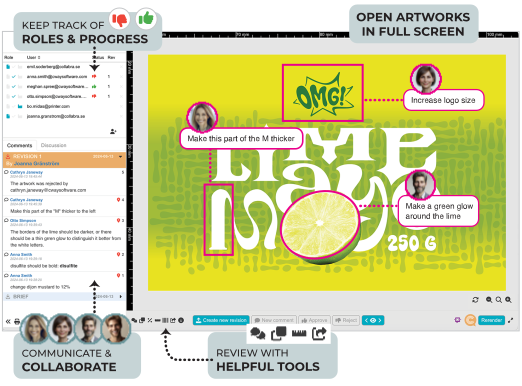
review-compare-approve-1Cway helps packaging teams make sustainability decisions early by linking artwork, specifications, and approvals in one controlled workflow. With built-in version control, teams can track how designs evolve, compare changes, and ensure only the correct, approved versions move forward—reducing rework and preventing outdated artwork from being printed.
Through clear traceability and print coverage tool, Cway makes it easier to understand how design choices impact materials and ink usage. This gives teams the visibility they need to reduce unnecessary ink coverage, support recyclability, and confidently document sustainability-related decisions. Cway makes sustainability a design input, not a last-minute fix.

2. Smart Packaging Is Designed In, Not Added On

Smart packaging is no longer experimental. QR codes, GS1 Digital Link, and digital watermarks are becoming standard—driven by regulation, retailer requirements, and consumer expectations.

This fundamentally changes packaging design.

What changes in practice

  • Digital access points are no longer last-minute additions.

  • Layouts must support scannability, contrast, and consistent placement.

  • Packaging becomes a physical entry point to digital content.

What this means for design

  • QR codes and 2D codes must be treated like functional UI elements.

  • Clear zones and placement rules are defined early.

  • Decorative elements can no longer interfere with functionality.

Designers are now designing interfaces, not just graphics.

How Cway supports smart packaging design from the start

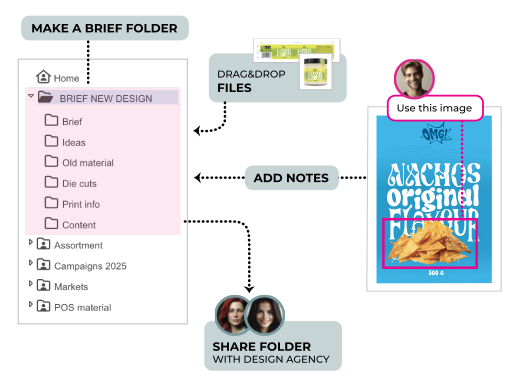
Make the teamwork work-1Cway supports smart packaging by helping teams design digital elements—such as QR codes and 2D barcodes—into packaging layouts from the very beginning. Through structured artwork storage by SKU, market, and format, teams get a clear overview of where smart packaging elements appear and how they are implemented across variants, reducing inconsistencies and late-stage layout conflicts.
By enabling consistent templates reused across products, Cway ensures placement rules and layout logic stay aligned across ranges and regions. This makes smart packaging easier to scale, easier to maintain, and far less risky to update. With Cway, smart packaging elements are part of the design system—not a layout risk.

3. Designing for Digital Product Passports (DPP)

One of the most disruptive changes heading into 2026 is the rise of Digital Product Passports (DPPs)—especially in the EU.

Packaging must now support machine-readable, structured data about materials, recyclability, and compliance.

What changes in practice

  • Packaging artwork is no longer just for humans.

  • Artwork must align with underlying data models.

  • Inconsistencies between design files and product data become compliance risks.

What this means for design

  • Modular layouts (brand layer, legal layer, variable data layer)

  • Less hard-coded content that requires full rework

  • Clear links between artwork versions and data records

Packaging design becomes part of a data ecosystem, not a standalone deliverable.

How Cway prepares packaging teams for Digital Product Passports

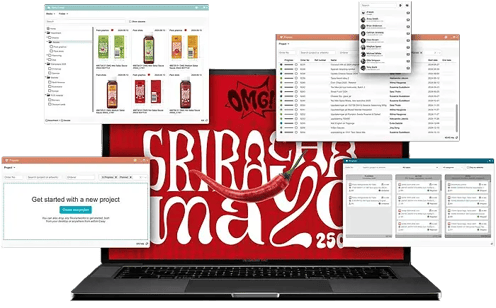
Design Project Management hero-1Cway supports DPP-ready packaging design by structuring workflows within the platform that connect artwork, specifications, and approvals in one place. This ensures packaging information is managed consistently across teams, markets, and suppliers—creating a reliable foundation for structured, machine-readable product data.
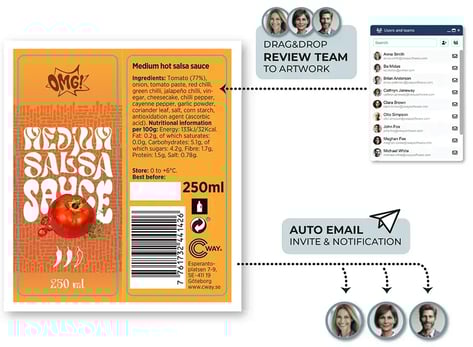
With clear ownership and approval trails, Cway ensures there is one authoritative version per market and SKU, reducing the risk of mismatched data or outdated artwork entering production. Cway connects packaging artwork to the data behind it—critical for Digital Product Passports.

4. From One-Off Artwork to Systemized Design

In 2026, the most successful packaging teams are not producing more artwork—they’re producing better systems.

Why? Because packaging changes constantly:

  • New regulations

  • Updated claims

  • Market adaptations

  • Sustainability improvements

Studies show that 30–35% of packaging is updated annually. One-off designs don’t scale in that environment.

What changes in practice

  • Design systems replace isolated layouts.

  • Templates, rules, and modular components become the norm.

  • Consistency enables speed.

What this means for design

  • Reusable components instead of fully bespoke files

  • Clear hierarchy and structure across SKUs

  • Layouts that adapt without breaking

Design becomes more strategic—and less repetitive.

How Cway enables systemised and AI-ready packaging design

save time with automation xCway enables systemised packaging design by enforcing structure, consistency, and reuse across artwork and workflows—essential foundations for AI-driven packaging processes. Standardised templates, controlled workflows, and clear rules reduce unnecessary variation and create predictable, scalable design systems.
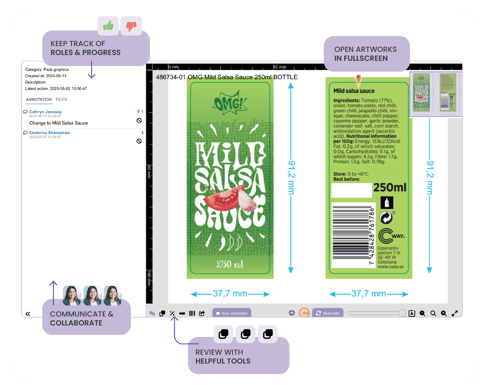
By reducing manual handling through controlled processes, Cway allows teams to automate repetitive tasks without losing control over brand or compliance. AI works best with structure. Cway gives packaging teams that structure.

5. AI Pushes Design Toward Structure and Consistency

AI is not replacing packaging designers. But it is changing how design work gets done.

AI thrives on:

  • Rules

  • Structure

  • Consistency

Which means poorly structured artwork becomes a bottleneck, while systemized design becomes an accelerator.

What changes in practice

  • Routine adaptations (resizing, localization, compliance checks) are automated.

  • Designers spend less time on manual rework.

  • Brand rules are encoded into workflows.

What this means for design

  • Fewer unnecessary variations

  • Clear separation between creative intent and execution

  • Design systems that machines—and humans—can understand

Well-structured design enables automation without sacrificing brand control.

How Cway supports modular packaging design and faster updates

Cway collaborationCway makes packaging design modular and change-friendly by isolating updates and keeping every change fully traceable. Whether it’s a regulatory update, claim change, or market adaptation, teams can update specific components without disrupting the entire design.

With fast updates that don’t break existing layouts, Cway reduces rework, approval cycles, and production risk across SKUs and regions. Cway reduces the cost and risk of constant packaging change.


6. Transparency Shapes Visual Language

Consumers, regulators, and retailers are demanding more transparency. Packaging design must reflect that shift.

What changes in practice

  • Clarity beats persuasion.

  • Legibility matters more than decoration.

  • Information must be easy to find, scan, and trust.

What this means for design

  • Strong hierarchy and typography

  • Accessible contrast and readability

  • Less visual noise, more purpose

Packaging is increasingly judged on credibility, not just creativity.

How Cway improves transparency and compliance in packaging design

strategy parent module 1Cway brings visibility and accountability into packaging workflows by clearly defining who is responsible for each decision. Through role-based approvals across marketing, legal, and regulatory teams, everyone knows when and how they are involved in the process.
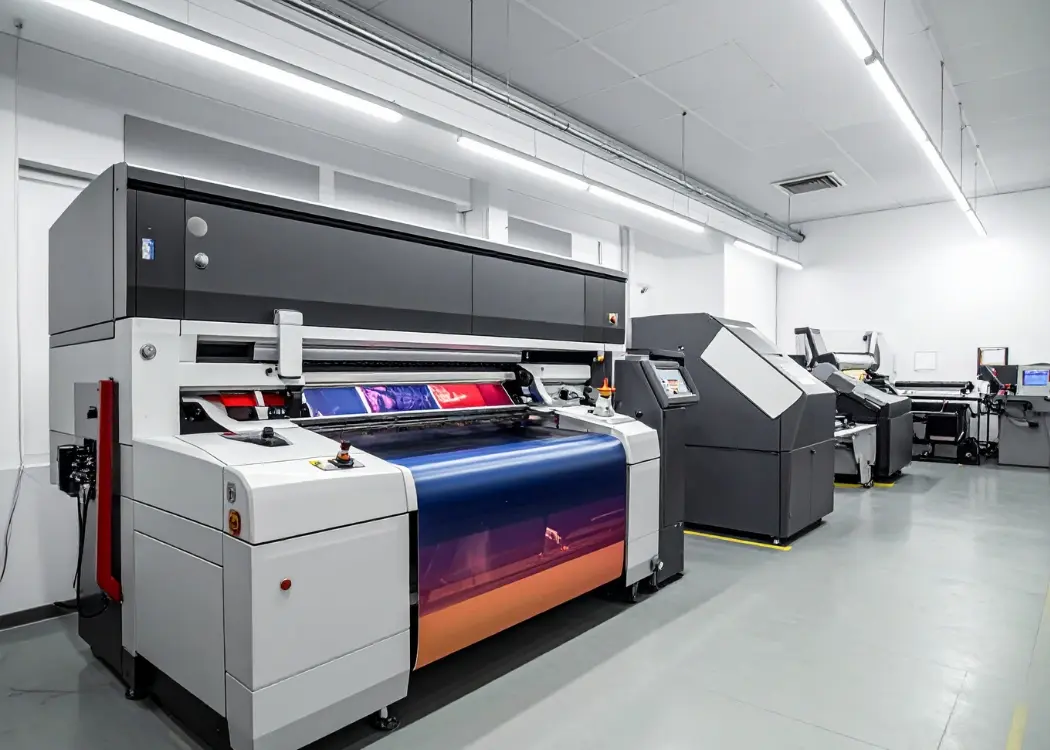
With time-stamped approval history and clear ownership of every decision, Cway creates a complete audit trail that supports compliance, trust, and internal alignment. Cway turns packaging transparency into an operational reality.

What This Means for Packaging Teams

These trends don’t just affect designers. They reshape how teams collaborate.

  • Designers spend less time fixing files and more time creating value.

  • Packaging managers reduce rework and late-stage surprises.

  • Regulatory teams get involved earlier, with better visibility.

  • Marketing teams launch faster with fewer inconsistencies.

The common thread? Packaging design is no longer a phase—it’s a system.

Where Most Teams Get Stuck

Despite these trends, many organizations still struggle with:

  • Artwork scattered across tools and email threads

  • Data disconnected from design files

  • Manual approvals that slow everything down

  • Sustainability and compliance handled too late

This isn’t a talent problem. It’s an infrastructure problem.

How Cway Supports Packaging Design for 2026

Cway helps packaging teams move from visual-first workflows to system-based packaging design.

By centralizing:

  • Artwork

  • Approvals

  • Version history

Cway enables teams to:

  • Work with modular, scalable designs

  • Reduce rework caused by late changes

  • Create a single source of truth across teams

  • Build a foundation for smart packaging and DPP readiness

Not by adding complexity—but by removing it.

Design Is Becoming Infrastructure

In 2026, packaging design is no longer just about how a pack looks.

It’s about how it:

  • Complies

  • Scales

  • Adapts

  • Connects

  • Performs over time

Brands that treat packaging design as infrastructure, not just artwork, will move faster, waste less, and stay compliant in a rapidly changing landscape.

The future of packaging design isn’t just visual. It’s systemic.

Avoid reprints and delays with an accurate print proof

Avoid reprints and delays with an accurate print proof

For brands managing packaging, printing is one of the largest operational costs — and yet it’s often treated as a fixed expense rather than an area...
View Full Article
Online proofing: what it is and why packaging teams need it

Online proofing: what it is and why packaging teams need it

Online proofing is transforming how packaging and design teams review and approve artwork. Instead of juggling endless email threads, outdated file...

View Full Article
Why modern brands need smarter artwork management solutions

Why modern brands need smarter artwork management solutions

Managing packaging artwork can be a nightmare — endless email threads, unclear responsibilities, missed deadlines. Sound familiar? Without the right...

View Full Article