2 min read

Artwork task tracking is not about tasks — it’s about control

Artwork task tracking is not about tasks — it’s about control
Artwork task tracking tool: why it’s really about control
3:48

When teams talk about improving artwork workflows, the conversation often starts with tasks:

We need better task tracking.
We need clearer deadlines.
We need more visibility.

But in reality, artwork task tracking is not about managing tasks.
It’s about maintaining control in a process that is inherently complex, cross-functional, and error-prone.


The illusion of “just managing tasks”

At first glance, artwork workflows look like any other project:

  • create design
  • review
  • approve
  • send to print

So it’s tempting to manage everything in generic tools like spreadsheets, email threads, or standard task managers.

But this is where problems begin.

Artwork workflows are not linear. They involve:

  • multiple stakeholders (design, regulatory, marketing, suppliers)
  • multiple versions of the same file
  • parallel feedback loops
  • strict compliance requirements

A simple task list cannot capture this complexity.

Where things actually break

Without proper tracking, the issues are rarely dramatic — they are gradual and cumulative:

  • no one is sure which version is the latest
  • approvals happen outside the system
  • feedback gets lost in emails or chats
  • deadlines slip because dependencies are unclear

Eventually, teams stop trusting the process.

And when there is no trust, people create workarounds:

  • personal trackers
  • offline comments
  • duplicate files

That’s when chaos becomes the default.

Tracking tasks vs controlling workflows

A typical task tracking setup answers questions like:

  • What needs to be done?
  • Who is responsible?
  • When is it due?

But artwork processes require a different level of control:

  • Which version is being reviewed?
  • Who approved what — and when?
  • Is this compliant for a specific market?
  • What changed since the last version?

This is not task management.
This is process control.

The missing layer in most systems

Many organisations try to fit artwork workflows into general-purpose tools.

The result:

  • tasks exist, but context is missing
  • files exist, but are disconnected from decisions
  • approvals happen, but are not traceable

What’s missing is a layer that connects everything:

👉 tasks + files + approvals + versions

Without that connection, tracking tasks becomes a superficial exercise.

Why control matters more than speed

Teams often look for ways to move faster.
But without control, speed amplifies risk.

  • incorrect versions get approved
  • compliance issues go unnoticed
  • last-minute fixes increase costs

Control doesn’t slow teams down — it prevents rework.

And in artwork workflows, avoiding rework is where the real efficiency comes from.

What effective artwork task tracking looks like

A proper system does more than list tasks. It creates a structured environment where:

  • every task is linked to a specific artwork version
  • approvals are recorded and traceable
  • responsibilities are clearly defined
  • dependencies are visible
  • the current status is always clear

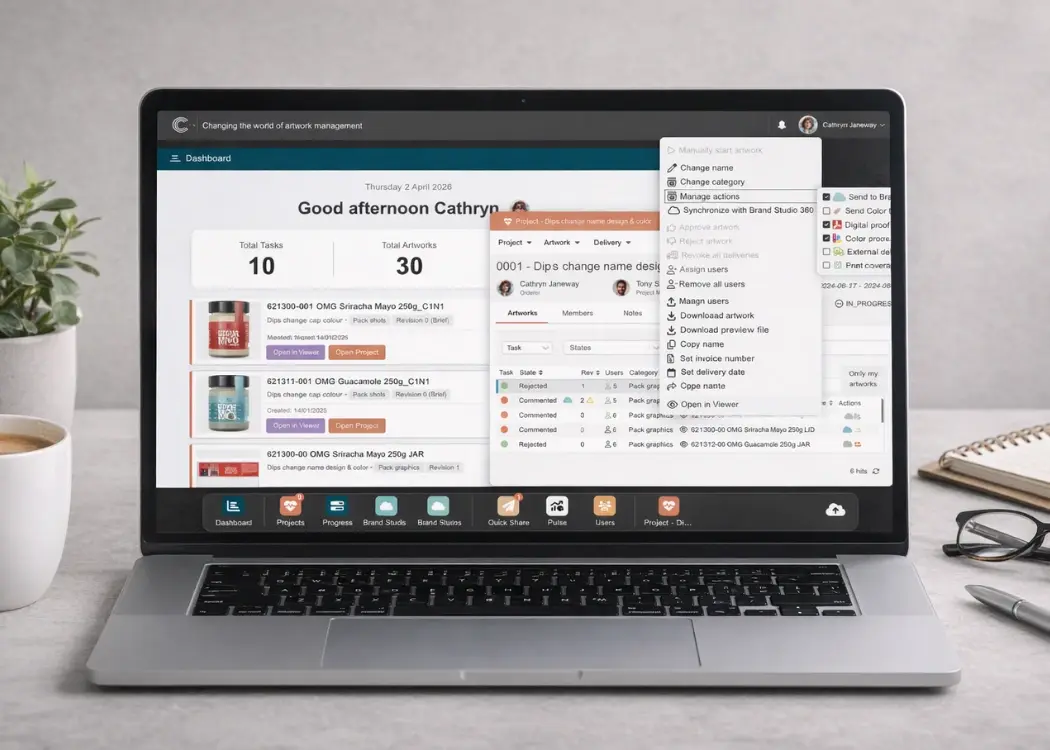
This is where dedicated artwork management tools, like Cway, become critical. They don’t just track tasks — they embed them into the workflow itself.

From coordination to control

Without structured tracking, artwork management becomes a coordination problem:

  • chasing feedback
  • aligning stakeholders
  • reconciling versions

With the right system, it becomes a control problem:

  • ensuring accuracy
  • maintaining compliance
  • managing change

That shift is subtle — but fundamental.

Conclusion

Artwork task tracking is often framed as an operational improvement.

In reality, it’s about something deeper:
control over complexity.

The teams that succeed are not the ones with the most tasks tracked —
they are the ones who know exactly what is happening, at every stage, with every version.

And that is what good tracking actually delivers.

How to simplify artwork tracking in complex packaging projects

How to simplify artwork tracking in complex packaging projects

When you're managing a packaging design project, especially across different product lines, regions, and teams, things can quickly spiral out of...

View Full Article
Introducing smarter, more flexible team management in Cway

Introducing smarter, more flexible team management in Cway

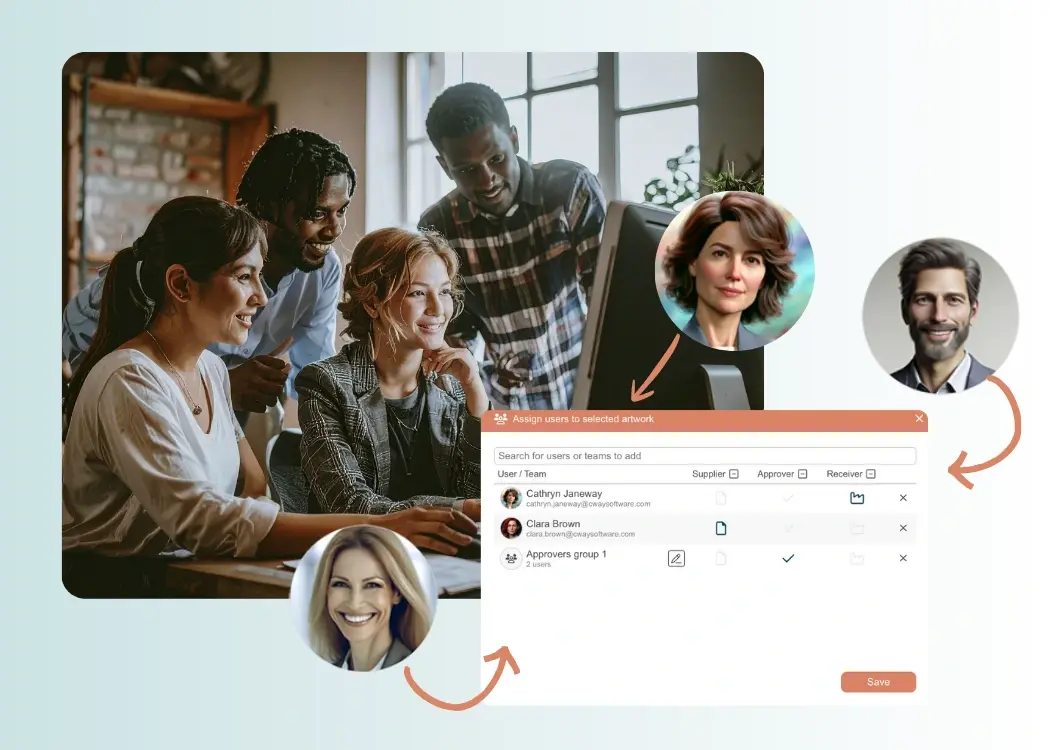
Managing packaging artwork projects often requires multiple teams, many reviewers, and different approval stages. To support the complexity of modern

View Full Article
Transforming artwork processes with cloud-based tools

Transforming artwork processes with cloud-based tools

Managing artwork processes across multiple teams, versions, and approvals can quickly become chaotic and error-prone. Traditional methods often lead...

View Full Article