Sustainable packaging trends 2026 for smarter artwork management
As sustainability standards evolve, packaging teams face growing pressure to adapt quickly — from new materials to changing regulations and label...
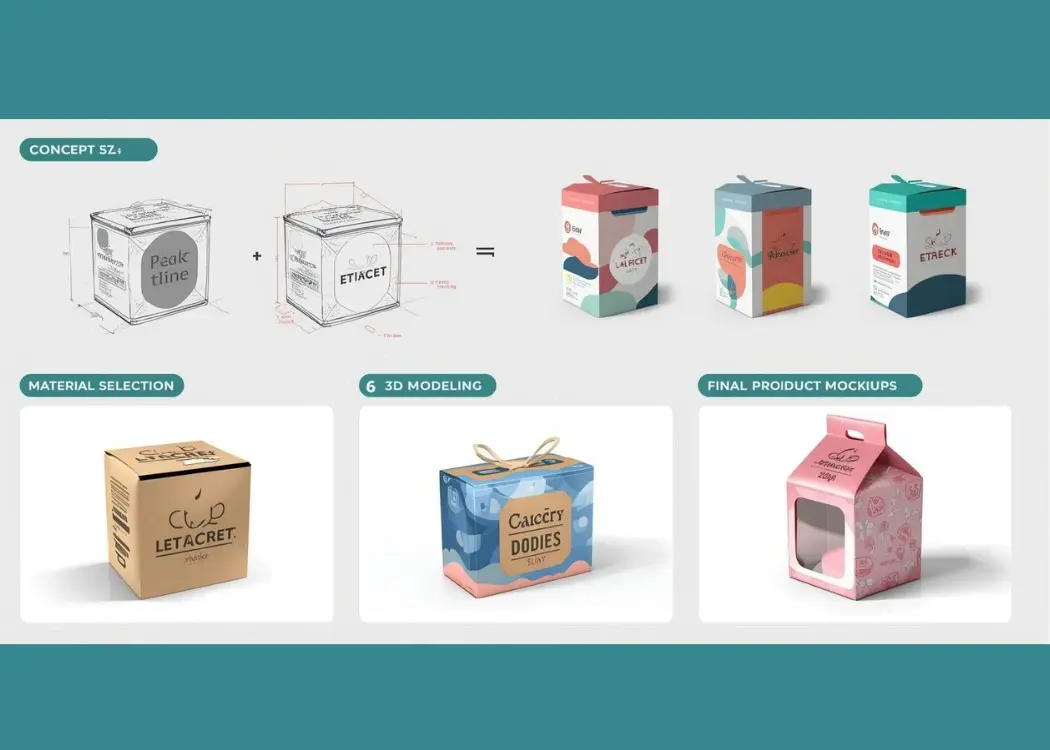
Sustainable packaging design has become a priority for brands across industries — not only because of environmental responsibility, but also due to growing regulatory pressure and consumer expectations.
Yet despite the widespread use of the term, sustainable packaging is often misunderstood. It’s not defined by a single material or symbol. True sustainability in packaging depends on design choices, materials, processes, and how everything is executed at scale.
In this article, we explain what sustainable packaging design really means, explore common sustainable packaging materials and solutions, and highlight why execution is just as important as intention.
Sustainable packaging design is the practice of creating product packaging that minimizes environmental impact throughout its entire lifecycle — from material sourcing and production to distribution, use, and end-of-life disposal.
Unlike traditional packaging design, which often prioritizes aesthetics or cost alone, sustainable packaging design balances:
Environmental responsibility
Functional performance
Brand communication
Regulatory compliance
In short, sustainability packaging is about designing smarter systems, not just choosing greener materials.
There is no single formula for sustainable packaging. Instead, it’s evaluated across several interconnected factors.
Reducing material use through smarter structural design lowers waste, emissions, and transportation impact.
Packaging should be easy to recycle, reuse, or compost within existing waste systems.
Using renewable, recycled, or certified materials helps reduce environmental strain.
Sustainability claims must be clear, accurate, and compliant with local regulations.
Together, these elements define what sustainable packaging looks like in practice — not just in theory.
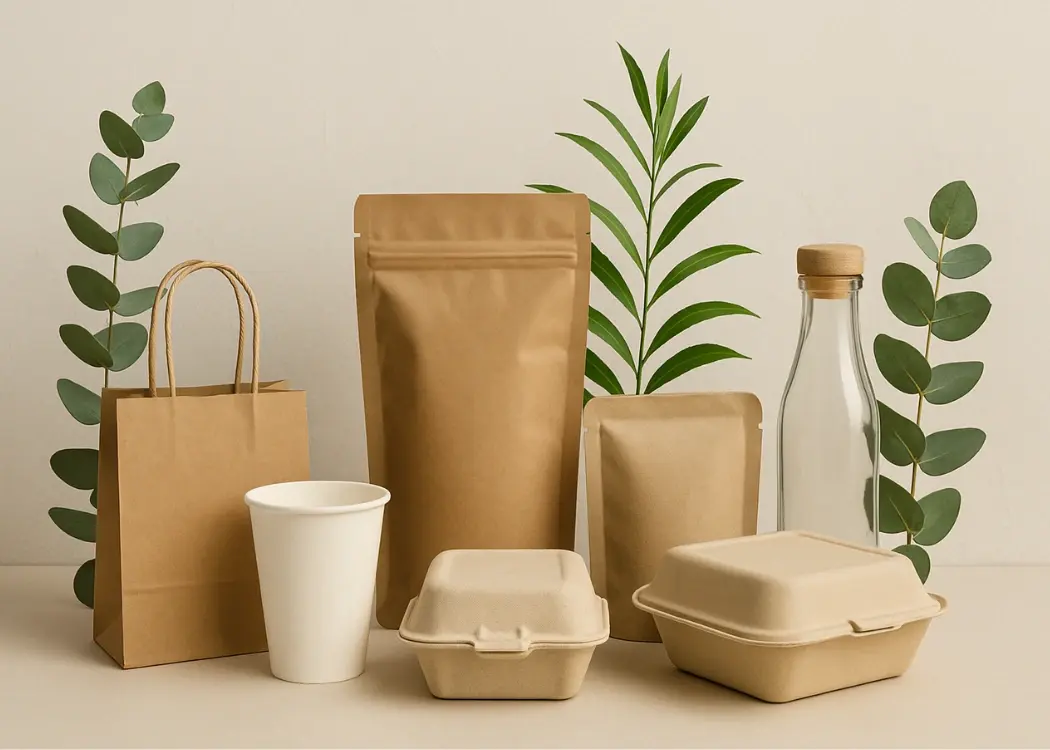
Sustainable packaging materials are often the first place brands start. Some of the most widely used options include:
Recycled cardboard and paperboard
Common for shipping boxes and retail packaging, especially corrugated formats.
Corrugated board
Lightweight, recyclable, and adaptable, making it a popular choice for sustainable shipping packaging.
Mono-material plastics
Easier to recycle than mixed materials when designed correctly.
Plant-based or bio-based materials
Used selectively where infrastructure supports composting or recycling.
Low-impact inks and coatings
Water-based inks and minimal coatings improve recyclability.
While material choice matters, materials alone do not guarantee sustainability — design and execution determine real impact.
Beyond materials, many brands adopt broader sustainable packaging solutions that reduce waste and improve efficiency.
Examples include:
Minimalist packaging designs that eliminate unnecessary elements
Standardized packaging systems that reduce SKU complexity
Reusable or refillable packaging models
Digital printing to reduce overproduction and obsolete stock
These environmentally friendly packaging solutions focus on system-level improvements, not one-off changes.
Design plays a critical role in how sustainable packaging performs in the real world.
Well-designed sustainable packaging often includes:
Fewer colors and decorative elements
Simplified layouts and structures
Modular designs that scale across product ranges
Consistent use of approved sustainability symbols and claims
Good design reduces waste not only in materials, but also in production errors, reprints, and outdated inventory.
One of the biggest risks in sustainability packaging is miscommunication.
Common issues include:
Outdated or incorrect eco-labels
Sustainability claims that vary between markets
Packaging artwork that doesn’t match approved messaging
Inconsistent execution across suppliers
These mistakes can lead to:
Loss of consumer trust
Regulatory scrutiny
Costly packaging reprints
Sustainable packaging only works when claims are accurate, approved, and consistently applied.
Many sustainability initiatives fail not because of poor intentions, but because execution breaks down.
Without proper control over packaging artwork and approvals:
Teams struggle to track versions
Old sustainability claims remain in circulation
Suppliers receive incorrect files
Compliance becomes difficult to prove
This is where structured packaging workflows and artwork management processes become essential. Sustainability depends not only on what you design, but on how reliably you manage and reproduce that design across markets and products.
Sustainable packaging design is not defined by a single box, symbol, or material. It’s the result of intentional design, informed material choices, and disciplined execution.
Brands that succeed with sustainable packaging treat it as a system — one that requires collaboration, visibility, and control across the entire packaging lifecycle.
Sustainability isn’t achieved by doing one thing greener. It’s achieved by doing many things consistently, correctly, and at scale.
As sustainability standards evolve, packaging teams face growing pressure to adapt quickly — from new materials to changing regulations and label...
For decades, packaging design has been treated as a largely visual discipline. Create the artwork, check compliance, send it to print, move on to the...
When it comes to packaging design, many brands focus on aesthetics, deadlines, and approvals — but often overlook one critical factor: print coverage...