3 min read

How to replace spreadsheet-based packaging approvals

How to replace spreadsheet-based packaging approvals
7:40

Many packaging teams still manage approvals in spreadsheets. It works at first—but as SKU counts grow and more stakeholders become involved, manual tracking quickly creates delays, version confusion, and visibility gaps.

At some point, teams spend more time updating spreadsheets and chasing approvals than moving projects forward.

This article explores why FMCG organizations outgrow spreadsheet-based approval processes and how structured workflow platforms can help improve visibility, version control, compliance, and collaboration.

Key Takeaways

  • Spreadsheets become difficult to manage as packaging portfolios grow.
  • Manual approval tracking increases the risk of delays, version confusion, and compliance issues.
  • Structured workflows provide better visibility, accountability, and traceability.
  • Packaging teams can transition gradually without disrupting existing operations.
  • Modern artwork management platforms help centralize approvals, comments, versions, and audit history.

Why Packaging Teams Still Use Spreadsheets

Many packaging teams start with spreadsheets because they're simple, familiar, and easy to deploy.

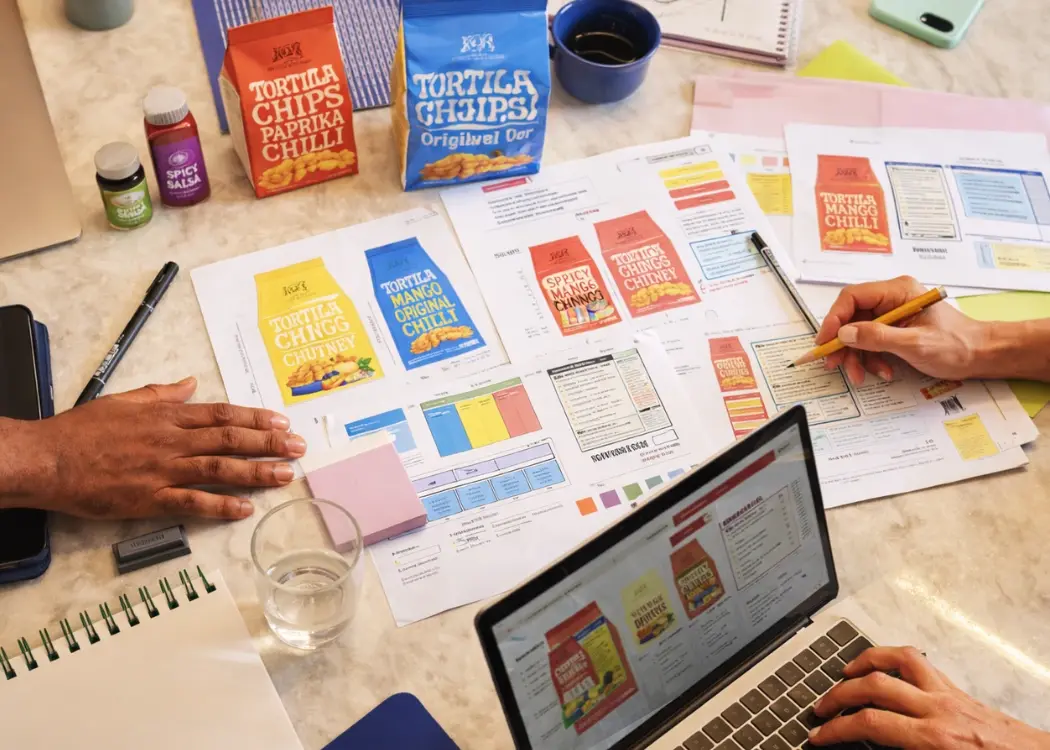
An approval tracker in Excel can work reasonably well when you're managing a small number of SKUs, a limited group of stakeholders, and relatively straightforward packaging updates.

Over time, however, complexity increases.

New products are introduced. Packaging variants multiply. Regulatory reviews become more frequent. More stakeholders become involved in the approval process.

The spreadsheet that once provided visibility gradually becomes a source of confusion.

Teams begin maintaining multiple versions of the same tracker. Status updates become outdated. Approval records are scattered across emails, meetings, and file attachments.

Eventually, the process becomes difficult to trust.

The Hidden Costs of Spreadsheet-Based Approvals

The biggest challenge isn't the spreadsheet itself.

It's everything happening outside the spreadsheet.

A typical packaging approval process may involve:

  • Artwork files stored in shared drives
  • Comments exchanged through email
  • Approval decisions made during meetings
  • Status updates entered manually
  • Version history maintained separately

As a result, packaging managers spend significant time coordinating information rather than managing packaging projects.

Common issues include:

Limited Visibility

Project status depends on manual updates.

If somebody forgets to update the spreadsheet, visibility disappears.

Version Confusion

Teams often struggle to determine which artwork version was approved.

Approval Bottlenecks

There is no automatic routing, escalation, or reminder system.

Projects wait for reviewers who may not even realize action is required.

Missing Audit Trails

Many organizations cannot easily answer basic questions such as:

  • Who approved this artwork?
  • When was it approved?
  • What changes were requested?
  • Which version was ultimately released?

Signs You've Outgrown Spreadsheet Approvals

Your organization may be ready for a more structured approach if:

  • Approval delays regularly impact launch timelines
  • Artwork reviews involve multiple departments
  • Regulatory or compliance requirements are increasing
  • Teams manage hundreds of SKUs or packaging variants
  • Audit preparation requires significant manual effort
  • Stakeholders frequently ask for project status updates

When these challenges become routine, adding more spreadsheet columns rarely solves the underlying problem.

What Modern Packaging Approval Workflows Look Like

Modern packaging teams manage approvals through structured workflows rather than manual tracking.

Instead of updating spreadsheets, the system automatically moves projects through predefined review stages.

Each stakeholder receives tasks when action is required.

Approvals, comments, and revisions are recorded automatically.

Managers gain visibility into:

  • Current project status
  • Pending approvals
  • Overdue reviews
  • Workflow bottlenecks
  • Artwork progress across the portfolio

This creates a single source of truth for packaging operations.

How to Transition Away from Spreadsheet-Based Approvals

Step 1: Map Your Existing Process

Before introducing new software, document your current approval workflow.

Identify:

  • Review stages
  • Stakeholders
  • Approval requirements
  • Common delays
  • Escalation procedures

This creates the foundation for workflow configuration.

Step 2: Standardize Approval Stages

Many organizations discover that approval processes vary significantly across projects.

Defining consistent review stages improves predictability and simplifies implementation.

Step 3: Centralize Artwork Reviews

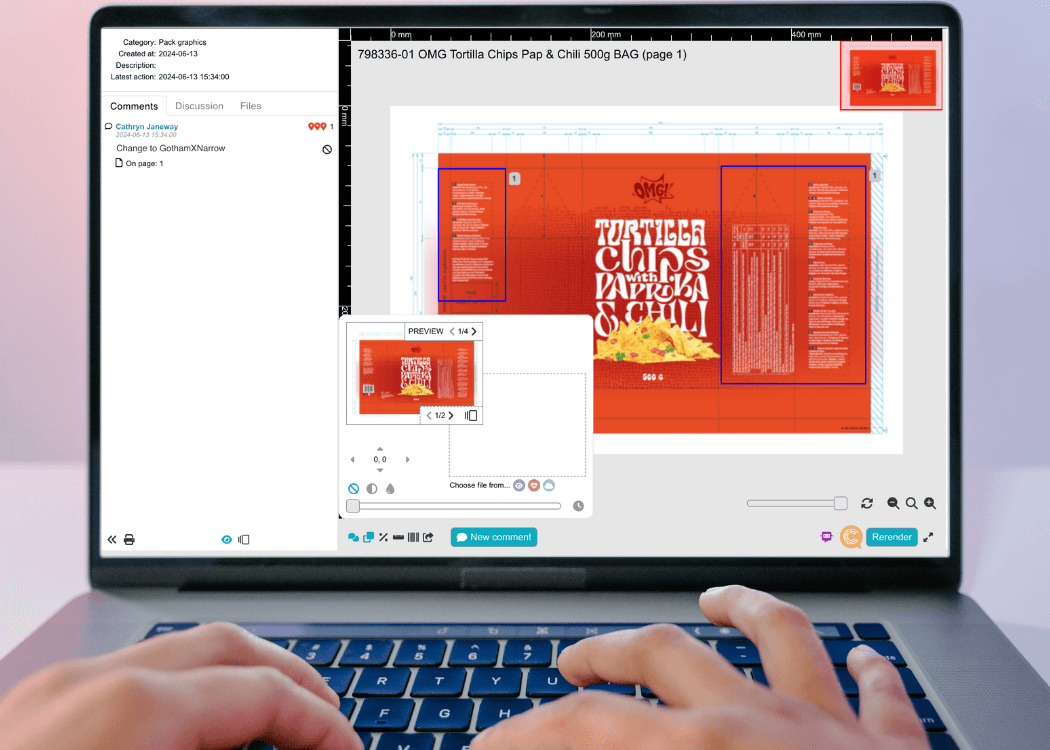
Bringing comments, annotations, approvals, and revisions into a single environment eliminates much of the confusion caused by email-based collaboration.

Step 4: Automate Routing and Notifications

Instead of manually assigning tasks and following up with reviewers, automated workflows ensure projects continue moving through the approval process.

Step 5: Create Reporting and Visibility

Managers should be able to understand project status instantly without requesting spreadsheet updates from individual teams.

Dashboards provide a real-time view of progress, delays, and workload.

Why Version Control Matters During the Transition

One of the biggest improvements organizations see after replacing spreadsheets is stronger version control.

Rather than managing artwork versions separately from approval records, modern packaging workflows connect approvals directly to specific artwork revisions.

This makes it significantly easier to answer critical questions:

  • Which version was approved?
  • Who approved it?
  • What changed since the previous version?

The result is greater confidence and reduced operational risk.

How Cway Replaces Spreadsheet-Based Packaging Approvals

Cway helps packaging teams move beyond manual tracking by bringing artwork reviews, workflow management, approvals, version control, and reporting into a single platform.

Organizations can:

  • Configure approval workflows around existing business processes
  • Define reviewer roles and approval stages
  • Automate routing, reminders, and notifications
  • Track every approval and revision through complete audit trails
  • Monitor project progress through operational dashboards
  • Manage artwork versions and review history in one environment

Rather than relying on spreadsheets to understand project status, teams gain real-time visibility into how artwork moves through the approval process.

The Business Impact of Structured Packaging Workflows

Replacing spreadsheet-based approvals is not simply a technology upgrade.

It is an operational improvement.

Organizations typically gain:

  • Better workflow visibility
  • Faster approval cycles
  • Reduced version confusion
  • Improved accountability
  • Stronger audit readiness
  • Greater consistency across teams and markets

As packaging portfolios continue to grow, structured workflows become increasingly important for maintaining control without adding administrative overhead.

Conclusion

Spreadsheets remain useful for many business activities, but they were never designed to manage complex packaging approval processes.

As organizations scale, the limitations become increasingly difficult to ignore.

Replacing spreadsheet-based approvals with structured workflows gives packaging teams greater visibility, stronger governance, improved collaboration, and a more reliable path from artwork creation to final approval.