3 min read

15 labeling & packaging mistakes that trigger product recalls

15 labeling & packaging mistakes that trigger product recalls
15 packaging compliance mistakes that cause product recalls
6:20

Brands lose millions every year because of preventable packaging compliance errors. These mistakes usually happen during artwork creation, approval, or supplier coordination — not on the manufacturing line.

This article will highlight the 15 most common (and costly) compliance mistakes, backed by industry norms, examples, and real-world consequences. Then it will transition into how Cway prevents them with automated workflows, version control, proofing, and traceability.

Every recall has a story.

Sometimes it starts with a missing allergen statement.
Sometimes with a mislabeled ingredient.
Sometimes with a barcode that doesn’t scan at retail.

But it always ends the same:

Product pulled. Costs rising. Teams scrambling. Brand trust damaged.

The painful truth?
Most recalls aren’t caused by manufacturing failures.
They’re caused by packaging compliance mistakes — errors made long before the product ever hits a production line.

Here are the 15 most common packaging compliance mistakes that trigger recalls, fines, or relabeling disasters… and how to prevent them before they happen.

1. Mislabeling allergens

The #1 cause of recalls globally — and still rising.

Ritz Crackers recalled Peanut Butter Cracker Sandwiches in December 2025 because the outer carton listed peanuts, but some individual packs were mislabeled as “Cheese flavor” with no peanut allergen declared.
A packaging version mismatch triggered a multi-state recall.

Firehook Artisan Baked Crackers were recalled in May 2025 after sesame — a major allergen — was missing from the ingredient panel due to a “temporary breakdown” in packaging processes.

Just one missed allergen can trigger a national alert.

2. Outdated or incorrect ingredients

When regulations shift (often annually), ingredient lists quickly become outdated.
Cosmetics, supplements, and functional foods suffer the most here.

One incorrect INCI or additive? Noncompliant product.

3. Illegible or missing expiry dates / lot codes

If consumers or inspectors can’t read or trust your date and batch info, it’s over.
GDP and GMP guidelines make this non-negotiable.

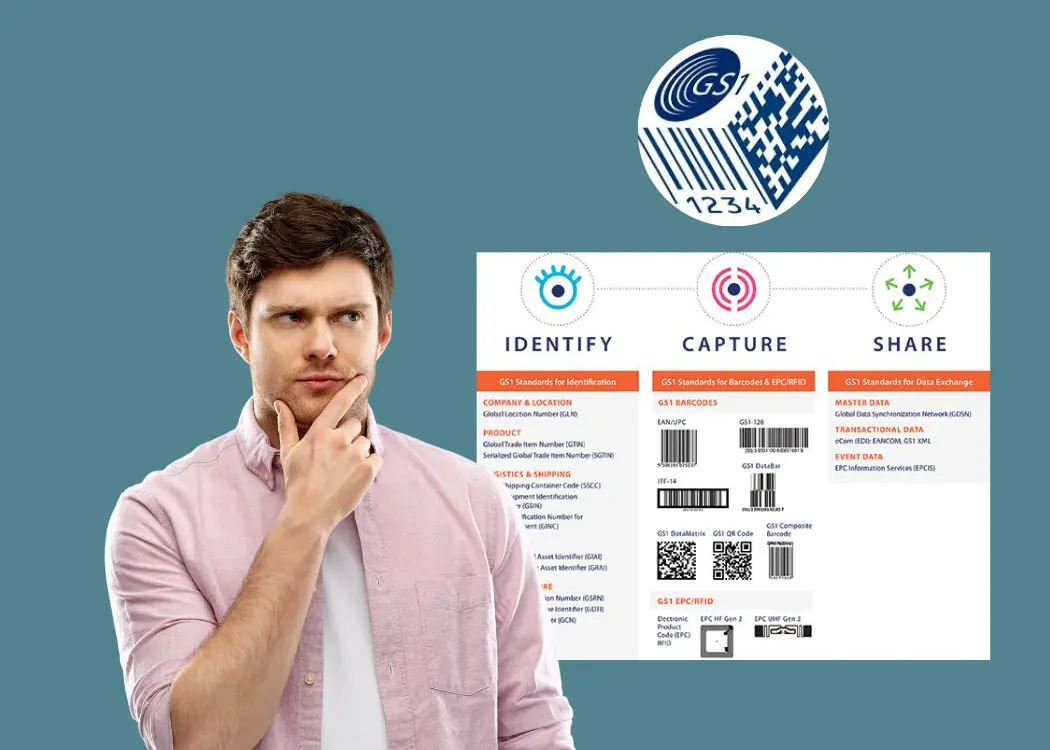
4. Incorrect barcodes or GTINs

In March 2025, FritoLay recalled Tostitos Cantina Tortilla Chips across 13 states because some bags were mispackaged and contained milk, a major allergen — but the barcode and packaging didn’t match the contents.

Wrong barcode or GTIN = retailer rejection + full traceability issues.

5. Claims that don’t match the approved formula

The most common offenders:

  • SPF

  • “Clinically proven”

  • Organic, vegan, cruelty-free

  • Sustainability claims

  • “New & improved” formulations

False or unsupported claims = regulatory action.

6. Font sizes that violate regulations

FDA, EU, FSA, CFIA — every region has minimum font sizes for safety-critical text.
If warnings aren’t legible, products get pulled.

7. Incorrect translations

One mistranslated safety warning or allergen can trigger multi-market recalls.
Translation mistakes are one of the most expensive compliance failures.

8. Misaligned mandatory panels (Nutrition Facts, Drug Facts, IFUs)

These panels have strict formatting rules.
One incorrect layout or missing element = regulatory noncompliance.

9. Missing mandatory symbols

Brands routinely forget required icons like:

  • CE mark

  • E-mark

  • Recycling symbols

  • Flammable warnings

  • Storage & handling icons

  • Period-after-opening (PAO)

Missing one is enough for a recall.

10. Wrong net content or measurement units

Grams vs. ounces. ml vs. fl oz.
US vs. EU requirements.

A tiny unit error can invalidate entire product lines.

11. Non-compliant Braille or accessibility requirements

EU Directive 2004/27/EC requires Braille on pharma packs.
Incorrect spacing or missing Braille = recall and repack.

12. Outdated safety warnings

Regulators update safety language constantly — especially:

  • choking hazards

  • flammability warnings

  • supplement disclaimers

  • drug caution statements

Missed updates = immediate compliance risk.

13. Wrong dieline or mismatched print specs

If your artwork doesn’t match the supplier’s exact dieline, panels shift.
Warnings disappear. Barcodes get cut.
This is one of the top causes of reprints.

14. Sending unapproved versions to suppliers

The silent killer of packaging operations.

One wrong file sent to print →
10,000 units wrong →
Immediate withdrawal or destruction.

This happens because teams lack a single source of truth.

15. Inconsistent color or critical branding on regulated packaging

In pharma, color cues are part of dose identification.
In beauty, shade accuracy is essential.
In food, branding impacts allergen visibility.

Color inconsistency can trigger recalls or retailer rejection.

So why do these mistakes keep happening?

Because most companies still rely on:

  • Manual artwork revisions

  • Email-based approvals

  • Shared folders

  • PDF markups

  • Version chaos

  • Supplier confusion

Compliance isn’t failing — the process is.

This is where Cway prevents compliance mistakes before they escalate

Cway is built for regulated packaging teams who can’t afford errors — or recalls.

Version control that eliminates “wrong file” disasters

Only approved, locked files reach suppliers.

Advanced proofing tools

Artwork compare, measuring tools, barcode validation, print coverage tool, colour separation tool — all in one place.

Regulatory-ready audit trails

Instant traceability for inspections, CAPA, and internal reviews.

Multi-market, multi-language version management

Keep every market fully compliant without drowning in versions.

Real-Time Collaboration & Annotations

Stakeholders can comment and annotate directly on packaging artwork. All feedback is visible instantly, helping teams avoid delays and misunderstandings.

With Cway, brands catch packaging errors early — long before they turn into recalls, reprints, or regulatory penalties.


Protect your brand before compliance mistakes become recalls

If your team deals with last-minute artwork changes, supplier confusion, or version chaos


We’ll show you where risks hide — and how Cway removes them.


Proofing workflow: best practices for creative and packaging teams

Proofing workflow: best practices for creative and packaging teams

Getting packaging and design approvals right is critical—but too often, teams rely on outdated tools and disconnected processes. In this article,...

View Full Article
How to simplify artwork tracking in complex packaging projects

How to simplify artwork tracking in complex packaging projects

When you're managing a packaging design project, especially across different product lines, regions, and teams, things can quickly spiral out of...

View Full Article
AI limitations in artwork management

AI limitations in artwork management

We often expect AI to revolutionize many fields, including artwork management. But is it truly delivering? While AI has improved workflows and...

View Full Article