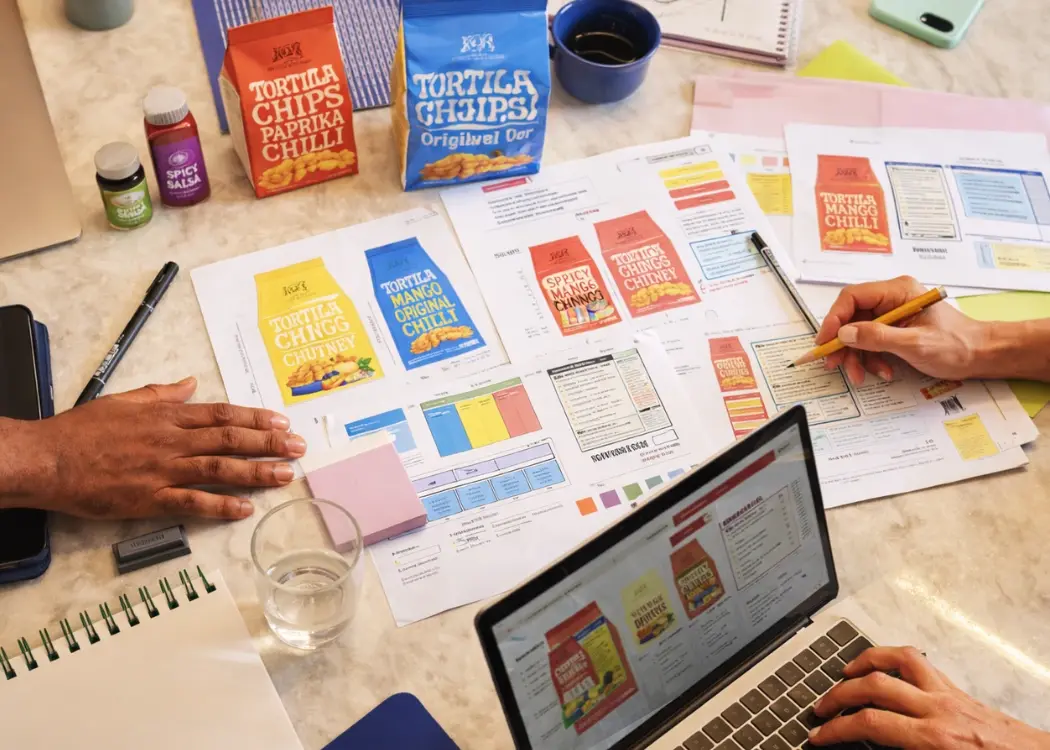
2 min read

Beyond artwork approval: how artwork management platforms are evolving

Beyond artwork approval: how artwork management platforms are evolving
Beyond Artwork Approvals: How Cway Is Evolving
4:13

For many years, artwork management software was viewed primarily as a tool for reviewing and approving packaging designs. Teams used it to collect feedback, manage versions, and keep projects moving through approval workflows.

At Cway, we've seen this perception change dramatically. As packaging operations become more complex, companies are looking for more than just approval software. They need a central environment where artwork, assets, product information, and workflow data can be managed together.

As a result, modern artwork management platforms are evolving into a broader operational layer for packaging teams.

From Approval Tool to Operational Hub

Every packaging project generates an enormous amount of information. Files move between designers, marketers, regulatory teams, printers, and external agencies. Without structure, version confusion becomes inevitable.

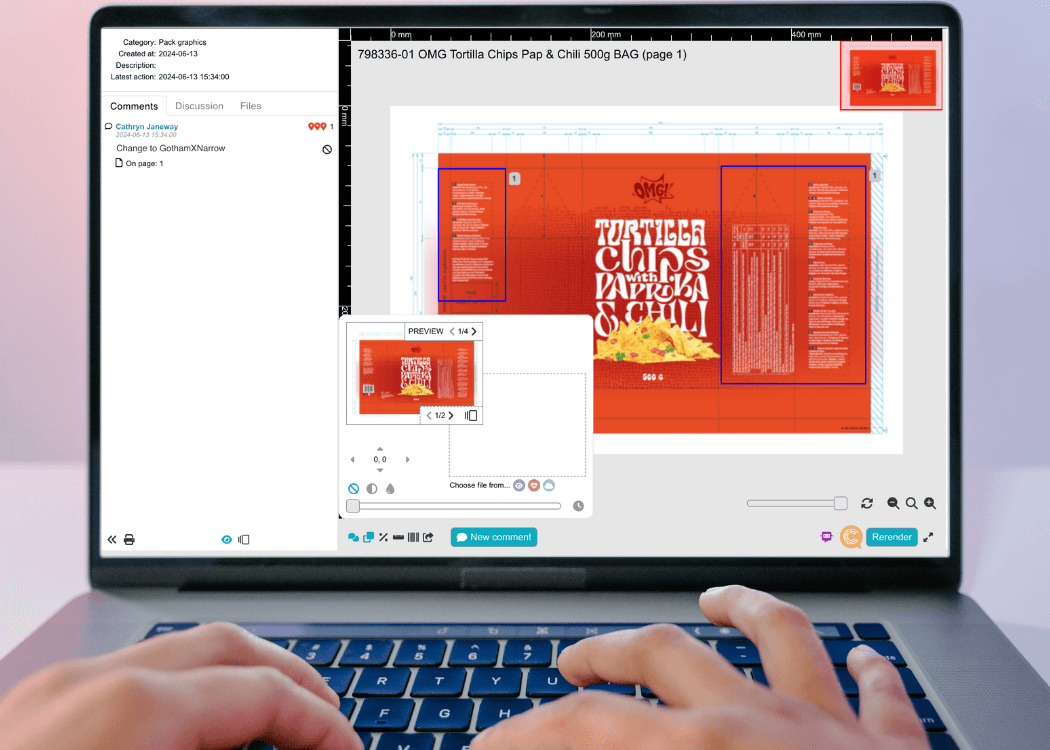
This is where artwork management platforms create value. In Cway, every artwork version, comment, approval decision, and change request is captured within a structured workflow, creating a complete project history from brief to final approval.

For packaging teams operating across multiple markets and product lines, this level of visibility helps reduce errors and improve accountability.

Why Built-In DAM Matters

One of the biggest challenges in packaging operations is ensuring teams always work with approved assets.

Logos, product photography, certification marks, icons, and brand elements often exist across multiple locations, creating unnecessary risk and inefficiency.

To address this challenge, Cway includes Brand Studio 360, a built-in digital asset management environment designed specifically for packaging workflows. Assets are connected directly to artwork projects, making it easier to maintain version control and ensure consistency across brands and markets.

By bringing asset management and artwork management together, packaging teams spend less time searching for files and more time moving projects forward.

Audit Trails Are Becoming a Quality Requirement

In regulated industries, packaging decisions must be traceable.

Quality teams increasingly expect clear documentation showing who reviewed an artwork, what changes were made, and when approvals occurred.

This is another area where modern artwork platforms are evolving beyond simple review tools. Cway maintains detailed version histories, approval records, comments, and change logs, helping organizations create a transparent audit trail throughout the packaging lifecycle.

Many companies use these records as part of their broader quality and compliance processes.

The Next Frontier: Product Data and Analytics

While artwork files remain at the center of packaging operations, structured product data is becoming increasingly important.

SKU information, product attributes, market-specific requirements, and packaging metadata all influence the final artwork. Managing this information separately from artwork workflows often creates duplication and inefficiency.

This is one of the reasons the industry is moving toward closer connections between artwork management and product information management.

At Cway, we see growing demand for packaging-focused product data management capabilities, particularly around SKU-level information, packaging attributes, and workflow analytics.

The goal is not to replace enterprise systems, but to make packaging teams more effective by giving them easier access to the information that directly impacts artwork creation and approval.

Looking Ahead

The future of artwork management is not just about managing files. It is about connecting assets, approvals, product information, and operational insights within a single environment.

At Cway, we believe the next generation of packaging software will help organizations move beyond disconnected processes and build a more transparent, data-driven approach to packaging operations.

As packaging complexity continues to grow, the platforms that succeed will be those that help teams manage not only artwork, but the entire ecosystem surrounding it.


How to Manage Packaging Artwork Files Efficiently

How to Manage Packaging Artwork Files Efficiently

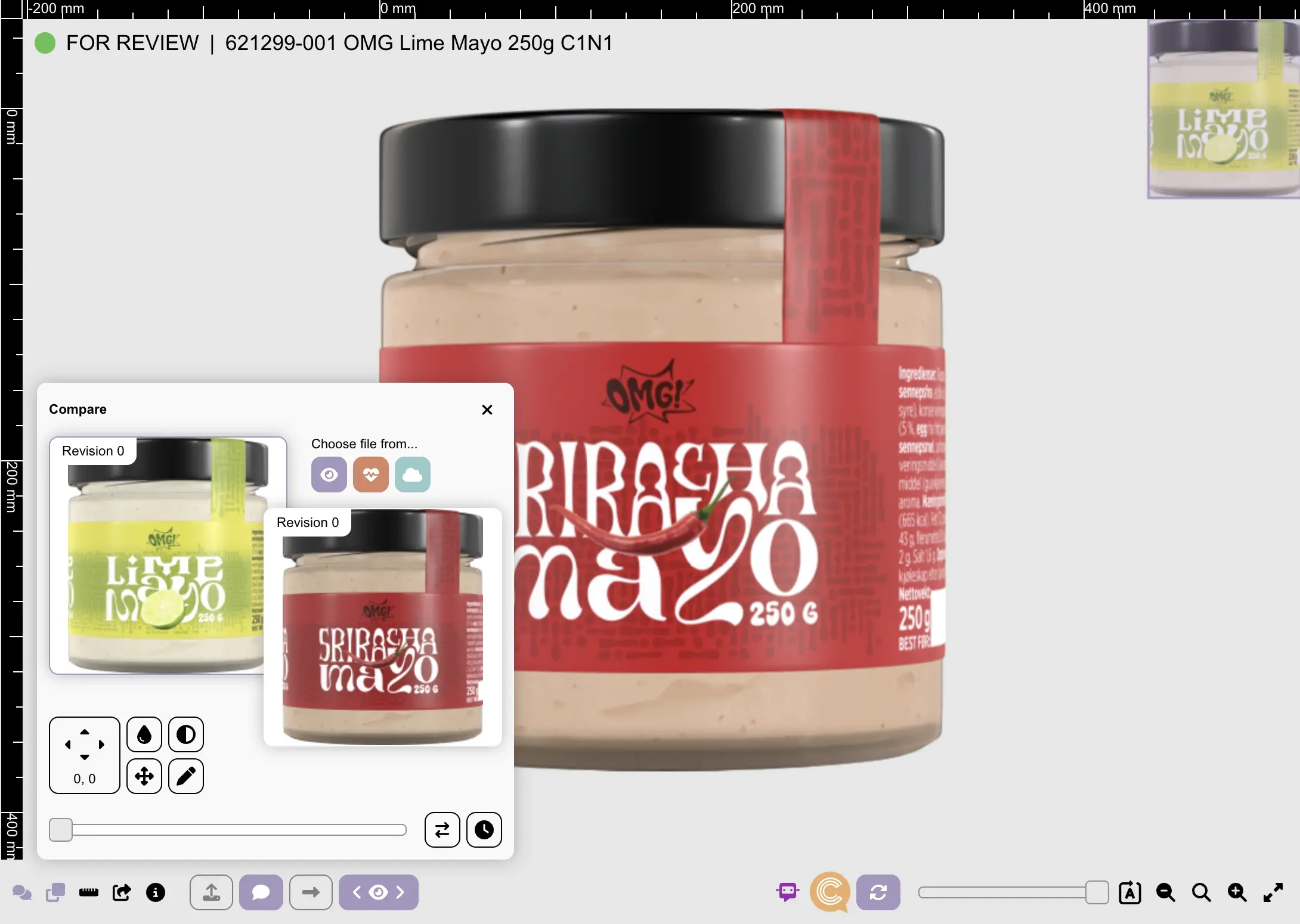
Packaging artwork files are one of the most critical assets in product development. Labels, cartons, flexible packaging, and regulatory information...
View Full Article
How version comparison tools improve artwork approval efficiency

How version comparison tools improve artwork approval efficiency

Version confusion is one of the most common causes of delays in artwork approval. Multiple PDF files. Email attachments. Feedback on outdated...

View Full Article
Packaging artwork management software vs. generic tools

Packaging artwork management software vs. generic tools

When it comes to managing packaging design, standard document systems simply don’t keep up. In today’s global, fast-moving markets, teams need ...

View Full Article