2 min read

Why your brand looks inconsistent across markets

Why your brand looks inconsistent across markets
Why Global Packaging Consistency Is Harder Than It Looks
5:54

Most brands do not intentionally create inconsistent packaging across markets.

It happens gradually.

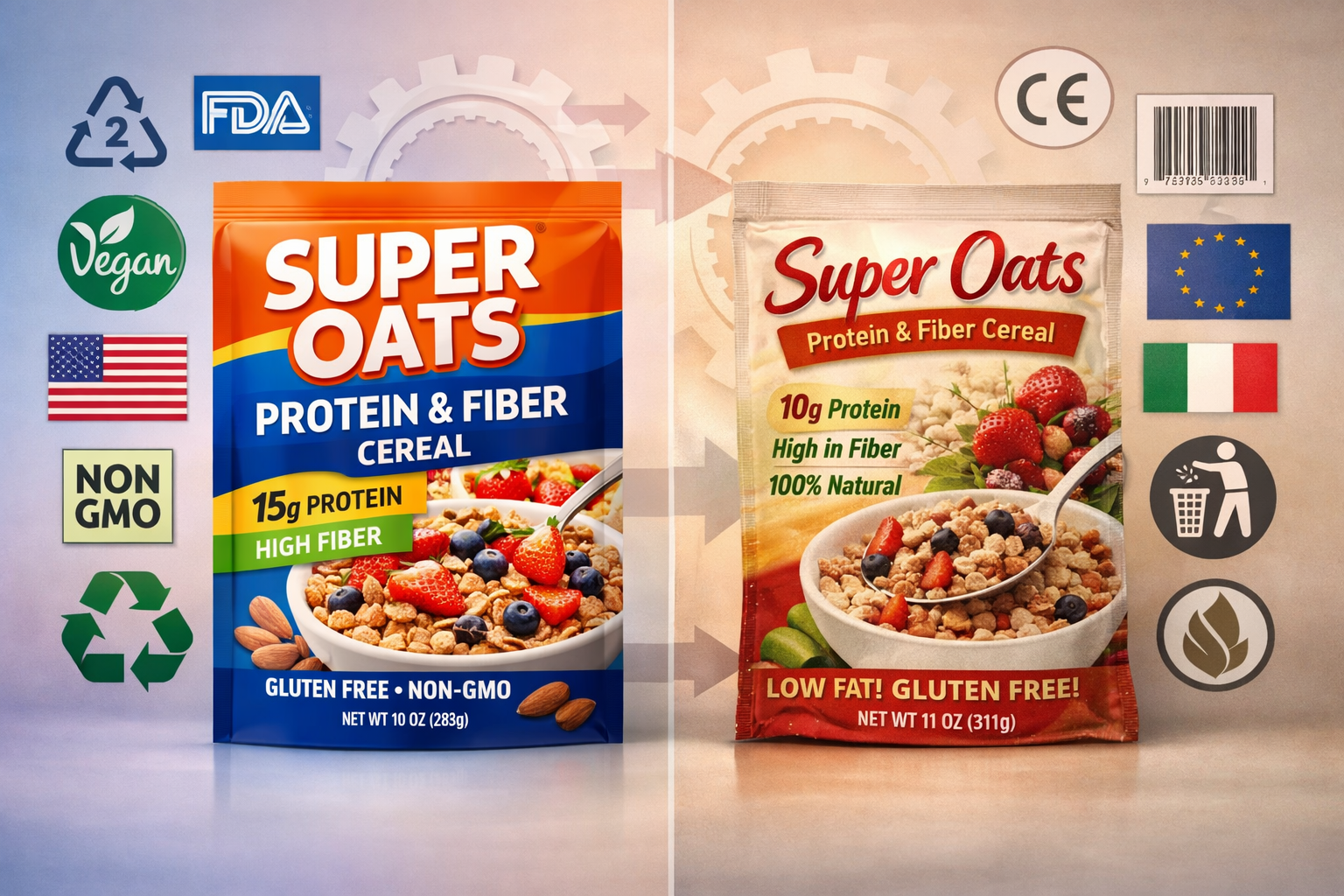
A product launches in one region with updated claims. Another market uses an older artwork version. A translation vendor modifies formatting differently. A retailer requests packaging adjustments that never make it back into the global master file.

Over time, the brand begins to look fragmented.

Colors vary slightly. Claims appear differently across regions. Product information becomes inconsistent. Packaging layouts drift away from approved standards.

For global organizations, brand inconsistency is rarely a design problem.

It is usually an operational workflow problem.

Packaging Complexity Increases Faster Than Most Teams Expect

As companies expand across regions, packaging operations become significantly more difficult to coordinate.

Each market may require different:

  • regulatory information
  • languages
  • recycling labels
  • retailer requirements
  • ingredient declarations
  • promotional claims
  • artwork formats

Now combine this with multiple suppliers, agencies, regional teams, and approval stakeholders.

Without centralized workflows, maintaining consistency across packaging becomes increasingly difficult.

This challenge is especially common in industries such as food and beverage, cosmetics, and retail, where packaging variations move quickly across multiple SKUs and markets.

Teams managing packaging operations in the food and beverage industry often struggle with market-specific labeling updates and frequent packaging changes. Cosmetic brands face additional complexity with multilingual claims, regulatory reviews, and evolving packaging designs. Retail organizations frequently manage large product portfolios with regional packaging variations and supplier coordination challenges.

Brand Inconsistency Often Starts With Fragmented Reviews

Many packaging teams still rely on disconnected processes:

  • email approvals
  • spreadsheets
  • PDF markups
  • shared drives
  • manually tracked comments

At small scale, these workflows may seem manageable.

At global scale, they create visibility problems.

Teams may not know:

  • which artwork version is approved
  • whether feedback was implemented
  • who is responsible for final sign-off
  • which market-specific changes are still pending

As a result, different markets can unintentionally release inconsistent packaging assets.

Product Extensions Make Consistency Harder

Brand inconsistency becomes even more common during product line extensions.

When teams rapidly launch new flavors, formats, or regional variants, packaging assets are often duplicated and modified under tight timelines.

Small changes accumulate quickly:

  • typography differences
  • outdated claims
  • inconsistent imagery
  • incorrect translations
  • mismatched product information

Without structured workflows, product extension packaging can drift away from original brand standards.

Organizations managing frequent product extension initiatives often need clearer coordination between marketing, packaging, regulatory, and regional teams to maintain consistency across expanding product portfolios.

Packaging Development Requires Shared Visibility

Packaging consistency depends heavily on operational visibility.

When stakeholders work from disconnected systems, teams spend significant time:

  • searching for updated files
  • validating approvals
  • comparing artwork versions
  • consolidating feedback
  • confirming packaging changes

This creates unnecessary delays and increases the likelihood of inconsistencies reaching production.

More centralized packaging development workflows help teams maintain better alignment across artwork reviews, approvals, and packaging-related information throughout the packaging lifecycle.

Supply Chain Complexity Also Impacts Brand Consistency

Packaging inconsistencies do not only happen during design reviews.

They also emerge across supplier and production workflows.

Different vendors may receive:

  • outdated packaging files
  • incorrect specifications
  • incomplete revisions
  • inconsistent approval information

When communication is fragmented, packaging variations can appear across regions, print runs, and retail environments.

As supply chains become more distributed, maintaining packaging alignment requires better coordination between internal teams, external suppliers, and packaging stakeholders.

Why Structured Packaging Approval Workflows Matter

Many organizations still rely on informal review processes where approvals happen through long email chains and manually tracked updates.

This makes it difficult to maintain consistency across markets.

Structured packaging approval workflows help teams improve:

  • approval traceability
  • version visibility
  • stakeholder collaboration
  • packaging review coordination
  • alignment across regional teams

The goal is not simply faster approvals.

It is creating a clearer process for managing packaging changes across multiple markets and stakeholders.

Cway supports packaging teams with structured approval workflows, version control, audit trails, real-time collaboration, and annotation capabilities that improve visibility across packaging reviews and development processes.

Final Thoughts

When brands appear inconsistent across markets, the root cause is often operational fragmentation rather than poor creative direction.

As packaging complexity grows, maintaining consistency requires more than brand guidelines.

It requires better visibility across packaging workflows, approvals, artwork versions, and cross-functional collaboration.

Organizations that centralize packaging coordination are better positioned to maintain stronger brand consistency while managing packaging operations across global markets.

Align packaging artwork, assets, and data without delays

1 min read

Align packaging artwork, assets, and data without delays

Packaging operations have become far more complex than simply managing label design files. Today’s packaging teams must coordinate: artwork revisions

View Full Article
Reduce errors and costs with packaging workflow automation

Reduce errors and costs with packaging workflow automation

Have you ever spent hours hunting for the latest packaging file, only to realize someone has been working on an outdated version? Or maybe you’ve...

View Full Article
How to handle multiple packaging variants efficiently

How to handle multiple packaging variants efficiently

Managing multiple packaging versions is one of the most complex challenges for modern product teams. As product lines expand, regulations evolve, and...

View Full Article