2 min read

How brand storytelling stays consistent across markets

How brand storytelling stays consistent across markets
Brand storytelling at scale: consistency in packaging
3:31

Packaging is no longer just a functional element — it is one of the most powerful storytelling tools a brand has. In many cases, it’s the first physical interaction a consumer has with a product, and often the only one before a purchase decision is made.

Through colour, typography, imagery, and tone of voice, packaging communicates what a brand stands for. It tells a story — about quality, origin, personality, and values. But as brands scale across markets, maintaining that story becomes increasingly difficult.

The challenge of consistency at scale

Global expansion introduces a fundamental tension:
how do you adapt to local markets without losing a coherent brand identity?

Each region brings its own requirements:

  • different languages
  • regulatory constraints
  • cultural nuances
  • retailer-specific formats

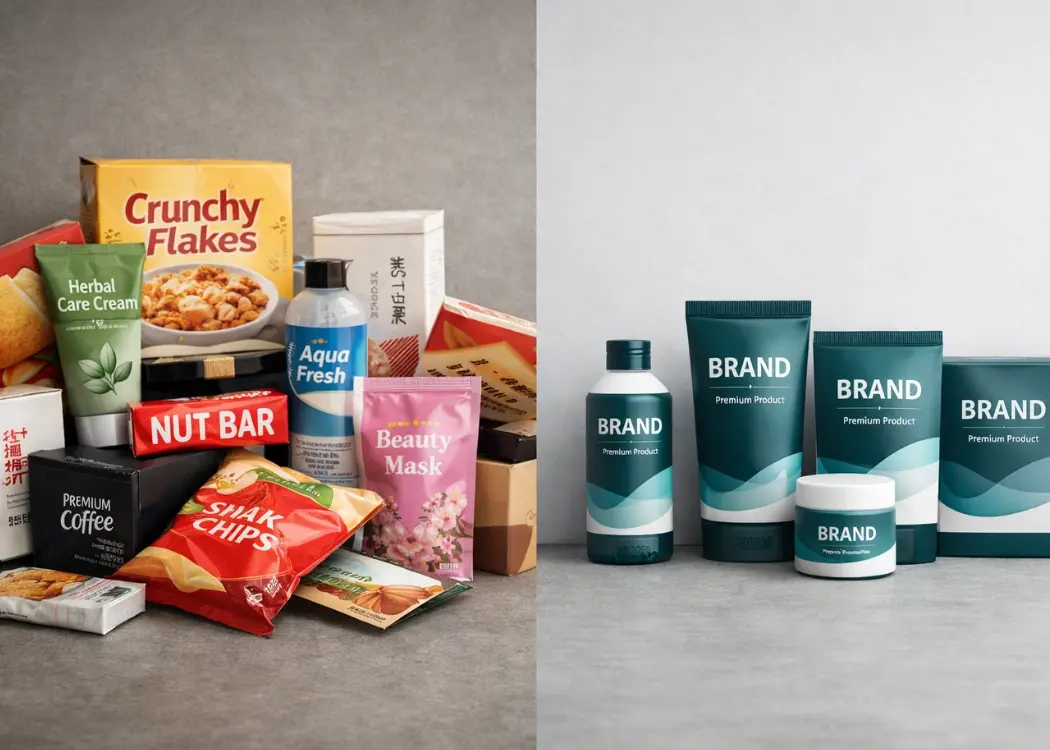
What starts as a clear and unified visual system can quickly fragment. Small local adaptations — a font change here, a layout tweak there, a slightly different tone of voice — gradually accumulate.

Over time, this leads to inconsistency:

  • packaging looks different across markets
  • brand recognition weakens
  • storytelling becomes diluted

The brand is still present, but its voice is no longer clear.

Storytelling vs localisation

Strong brands don’t just translate packaging — they adapt it while protecting core elements of their identity.

This means clearly defining what is non-negotiable:

  • core visual identity (colours, typography, logo usage)
  • key messaging and tone
  • structural layout principles

And what can be flexible:

  • language and copy length
  • regulatory blocks
  • market-specific claims

Without this distinction, localisation efforts often turn into uncontrolled variation.

Why structure matters more than creativity

One of the most overlooked aspects of consistent packaging is structure.

Teams often focus on creative guidelines, but in practice, consistency breaks down not because of bad design — but because of poor organisation:

  • assets are stored inconsistently
  • versions are unclear
  • teams work in silos
  • there is no single source of truth

As the number of SKUs and markets grows, this lack of structure becomes a critical bottleneck.

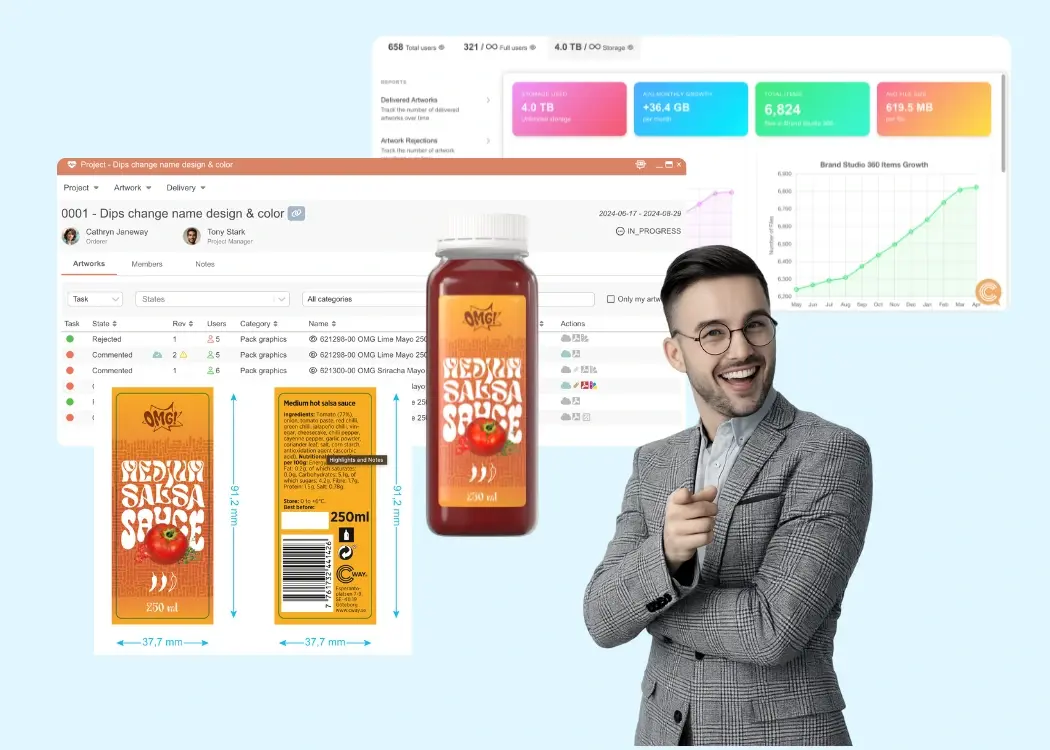
This is where structured workflows and dedicated artwork management tools become essential. Platforms like Cway help centralise assets, manage versions, and create a controlled environment where teams can collaborate without losing consistency.

Instead of relying on scattered files and manual coordination, teams can work within a system that enforces structure by design.

The role of systems in protecting brand identity

Consistency at scale is not something that can be maintained manually.

It requires:

  • clear governance
  • defined processes
  • and the right tools

A well-implemented system ensures that:

  • everyone works from the latest approved version
  • changes are tracked and visible
  • adaptations follow predefined rules

This doesn’t limit creativity — it protects it. By removing operational chaos, teams can focus on what actually matters: telling a clear and compelling brand story.

Conclusion

Brand storytelling through packaging is only effective when it is consistent.

As brands expand globally, maintaining that consistency becomes less about design and more about discipline — in data, processes, and tools.

Without structure, even the strongest brand identity will eventually fragment.
With it, brands can scale confidently while keeping their story intact across every market.

Packaging as art: how brands turn design into emotion

Packaging as art: how brands turn design into emotion

For most of history, packaging was purely practical — a protective shell, a label, a way to get a product from factory to shelf. But at some point,...

View Full Article
What ties Barbie, Oatly & Tesla together? Brilliant packaging

What ties Barbie, Oatly & Tesla together? Brilliant packaging

When you think of Barbie, you might picture hot pink plastic. Oatly? Probably that cheeky, handwritten font on a beige carton. And Tesla—sleek,...

View Full Article
From Super Bowl Ad to Shelfs: How FMCG Brands Activate Packaging

From Super Bowl Ad to Shelfs: How FMCG Brands Activate Packaging

Each year, the Super Bowl isn’t just football’s biggest night — it’s a global marketing stage where brands compete for cultural relevance. While the...

View Full Article