4 min read

How to run packaging revision handoffs in 2026

How to run packaging revision handoffs in 2026
8:48

Packaging revision handoffs succeed when teams maintain a single source of truth for artwork files, centralize feedback, track every version, document approvals, and clearly assign ownership at every stage. As FMCG portfolios grow, structured handoff processes become essential for reducing delays, avoiding costly errors, and accelerating time-to-market.

Packaging Teams Don't Struggle with Design. They Struggle with Handoffs.

When a packaging project misses its launch date, the artwork itself is rarely the root cause.

More often, delays happen because someone reviewed the wrong version. Feedback was shared through email instead of the official workflow. A printer received an outdated file. Regulatory comments arrived after marketing approval. Nobody was completely sure who owned the next step.

These issues become more common as packaging portfolios expand.

Today's FMCG companies manage significantly more SKUs, packaging variants, promotional editions, market adaptations, and regulatory updates than they did a decade ago. Every new product introduces additional stakeholders, revisions, approvals, and opportunities for miscommunication.

The challenge is no longer creating artwork.

The challenge is moving artwork through the organization without losing context, traceability, or control.

What Is a Packaging Revision Handoff?

A packaging revision handoff is the process of transferring artwork, comments, approvals, and ownership from one stakeholder or team to another during the packaging lifecycle.

A typical packaging project may pass through:

  • Marketing teams
  • Brand managers
  • Designers
  • Regulatory reviewers
  • Quality teams
  • External agencies
  • Printers and prepress partners

Every transition between these groups is a handoff.

The quality of those handoffs often determines whether a project moves efficiently toward launch or becomes trapped in endless revision cycles.

Why Do Packaging Revision Handoffs Fail?

Most handoff failures stem from a lack of visibility rather than a lack of effort.

Teams are working hard, but they are often working from different sources of information.

The most common causes include:

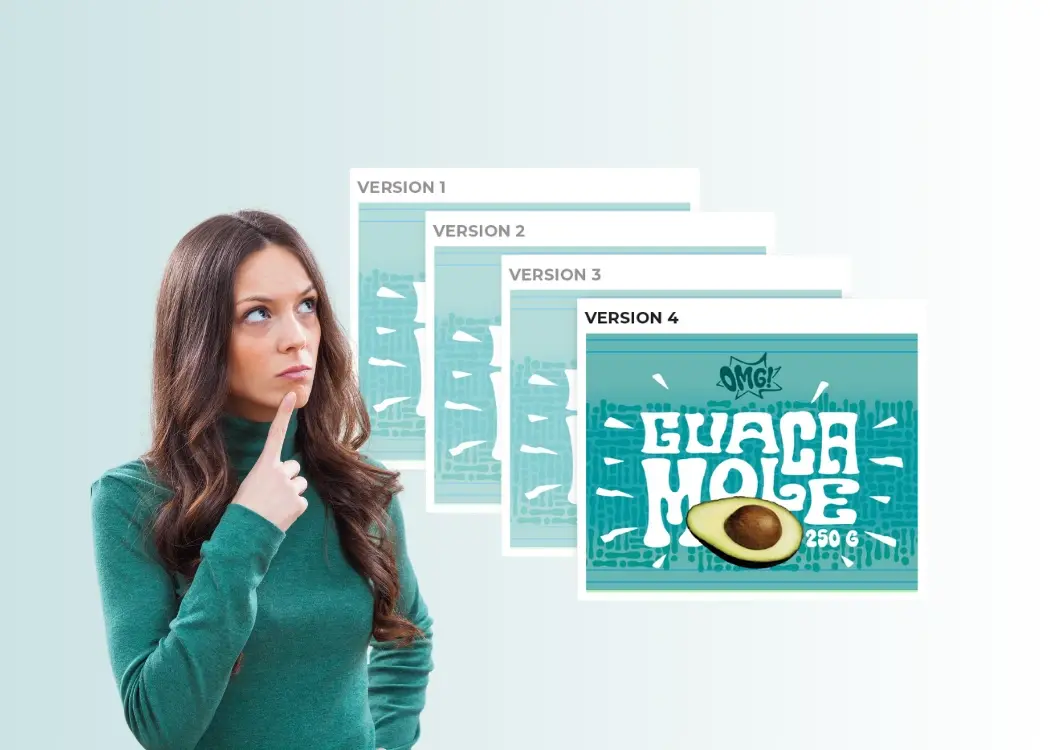
Multiple Artwork Versions

When files are exchanged through email or shared folders, duplicate versions quickly appear.

Teams begin reviewing different files, making conflicting comments, and approving artwork that may no longer be current.

Disconnected Feedback

Comments arrive through email threads, Teams messages, meetings, spreadsheets, and PDFs.

Without a centralized review process, important feedback becomes difficult to track.

Unclear Ownership

Stakeholders frequently assume someone else is responsible for the next action.

As a result, projects stall while teams wait for decisions that nobody realizes they own.

Missing Approval Records

When approval decisions are not documented consistently, teams struggle to determine whether artwork is truly ready to proceed.

Lack of Process Visibility

Managers often cannot see where projects are delayed, who is blocking progress, or how long reviews are taking.

What Are the Risks of Poor Packaging Handoffs?

Poor handoffs create more than operational inconvenience.

They create business risk.

Delayed Product Launches

Every additional review cycle pushes launch timelines further back.

Rework and Redesign Costs

Incorrect versions can force teams to repeat work that was already completed.

Compliance Issues

Missed regulatory changes or approval gaps can introduce significant compliance risks.

Print Production Errors

Sending outdated files to printers can result in costly reprints and wasted inventory.

Lost Auditability

Without documented decisions and version history, organizations struggle to explain how packaging changes were approved.

What Does a Successful Packaging Handoff Include?

Leading packaging teams focus on five critical elements.


Requirement

Why It Matters
Version Control Prevents outdated artwork from being reviewed or produced
Approval History Creates traceability for every decision
Clear Ownership Eliminates uncertainty about next steps
Centralized Feedback Reduces confusion and conflicting comments
Audit Trail Supports compliance and quality requirements


If any of these elements are missing, handoff risks increase significantly.

The Five Critical Packaging Handoffs

1. Marketing to Design

The packaging process begins with requirements.

Marketing teams define positioning, claims, promotions, and brand objectives.

A successful handoff ensures designers receive clear, structured information rather than fragmented requests.

2. Design to Review Teams

Artwork must be reviewed by multiple stakeholders.

Regulatory, legal, quality, and marketing teams often evaluate the same artwork from different perspectives.

Without a structured review process, conflicting feedback quickly emerges.

3. Review to Approval

One of the most challenging handoffs occurs when feedback is consolidated.

Organizations need a clear process for resolving conflicting comments and determining when artwork is officially approved.

4. Approval to Production

This handoff determines whether the correct file reaches production.

Even a fully approved artwork can create problems if the wrong version is sent to printers or prepress teams.

5. Production to Archive

Completed projects should not disappear into folders.

Organizations benefit from preserving approval history, decisions, assets, and lessons learned for future projects.

Why Version Control Is the Foundation of Every Handoff

Most packaging errors can ultimately be traced back to version confusion.

When teams cannot immediately identify the current approved version, the entire workflow becomes vulnerable.

Stakeholders begin downloading files locally, sharing attachments, and creating unofficial copies.

Soon, multiple "final" versions exist simultaneously.

Modern packaging operations solve this problem by establishing a single source of truth where artwork files, comments, approvals, and revision history remain connected.

Version control is no longer a convenience.

It is a requirement for managing complex packaging portfolios.

Why Audit Trails Matter More Than Ever

As packaging regulations evolve, organizations are increasingly expected to demonstrate how decisions were made.

Quality and regulatory teams need visibility into:

  • Who requested a change
  • Who approved it
  • When the decision occurred
  • Which version was affected

A complete audit trail transforms packaging reviews from informal conversations into documented business processes.

This improves accountability while reducing investigation time when issues arise.

How Leading FMCG Teams Manage Revision Handoffs in 2026

The most successful packaging organizations share several characteristics.

They centralize artwork reviews.

They standardize approval workflows.

They reduce reliance on email.

They maintain complete version histories.

And they use technology to make ownership visible throughout the process.

Rather than treating revision handoffs as administrative tasks, they view them as critical operational workflows.

How Cway Supports Packaging Revision Handoffs

Cway helps packaging teams manage revision handoffs by bringing artwork workflows, approvals, assets, and project visibility into a single environment.

Instead of tracking decisions across emails, spreadsheets, and shared folders, teams can manage revisions within structured workflows designed specifically for packaging operations.

Key capabilities include:

Centralized Artwork Reviews

Stakeholders review and comment on artwork within a shared environment, reducing fragmented feedback.

Version Control

Every revision is tracked, making it easier to identify approved versions and understand how artwork evolved.

Audit Trails

Approval records, comments, and workflow history remain accessible throughout the project lifecycle.

Brand Studio 360

Cway's integrated asset management capabilities help teams maintain approved packaging assets and reduce the risk of using outdated files.


Conclusion

As FMCG portfolios continue to grow, packaging revision handoffs have become one of the most important operational challenges facing packaging teams.

Organizations that establish structured workflows, maintain strong version control, and create clear accountability can significantly reduce delays and improve packaging quality.

The companies that succeed in 2026 will not necessarily have more reviewers or more meetings.

They will have fewer handoff failures.


FAQ